
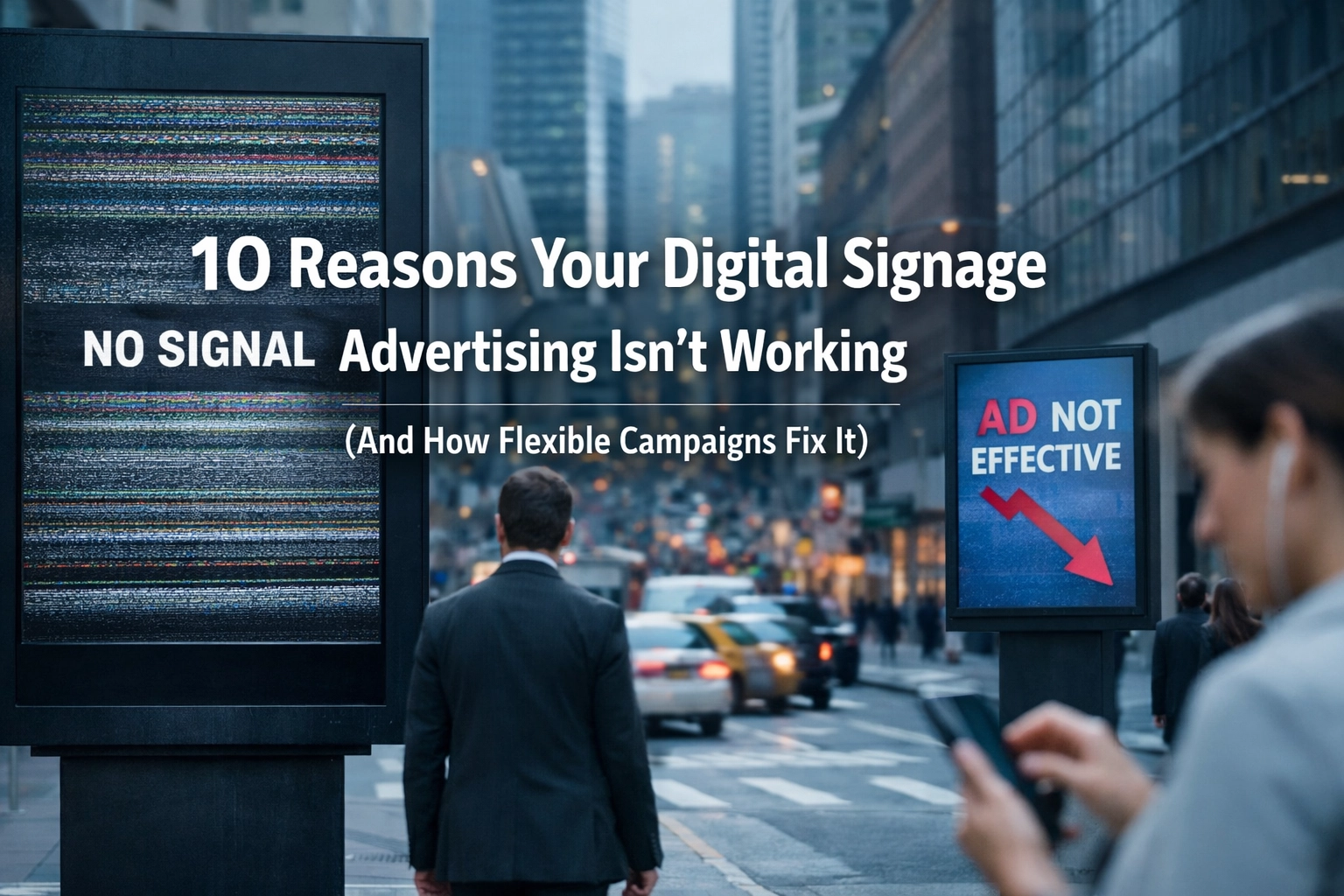
You've invested in digital signage. You've got screens up. But you're not seeing the results you expected. Sound familiar?
Here's the truth: most digital signage campaigns fail: not because the technology doesn't work, but because they're rigid, generic, and disconnected from the audience they're trying to reach. The good news? Flexible campaign strategies fix these problems fast.
Let's walk through the ten most common reasons your digital signage advertising isn't working and how to turn things around.
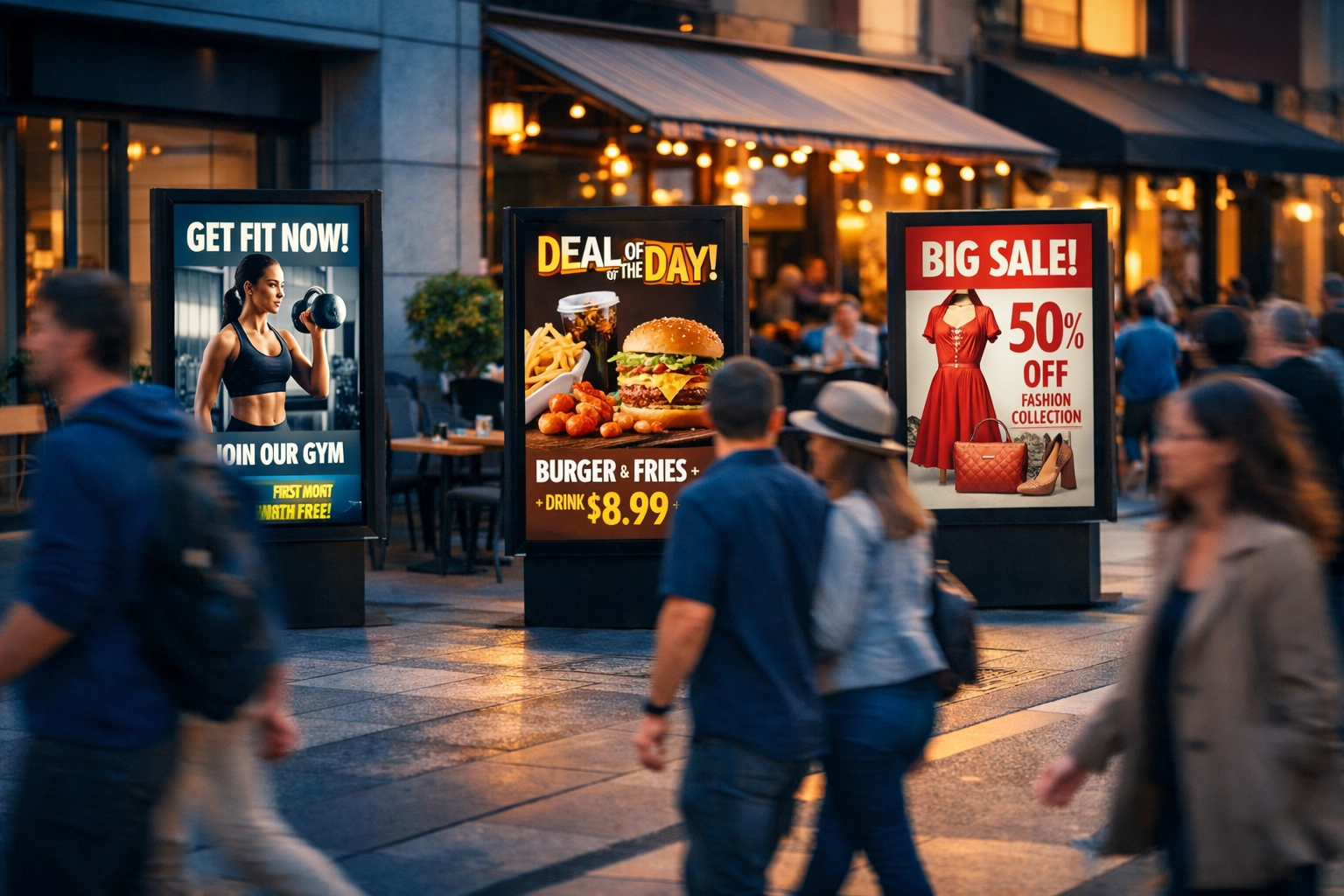
1. You're Targeting Everyone (Instead of Someone)
Broadcasting the same message to every passerby is a guaranteed way to waste your budget. When you try to speak to everyone, you end up connecting with no one.
The fix: Hyper-targeted campaigns let you narrow your audience down by venue type, location, and even specific businesses within a 2.5 to 50-mile radius. Want to reach fitness enthusiasts? Target gyms and health food stores. Looking for lunch crowds? Focus on quick-service restaurants and food courts. The more specific your targeting, the better your results.
2. Your Placement Strategy Is Guesswork
You can't just throw screens anywhere and hope for engagement. Poor placement: whether it's a screen in a low-traffic corner or facing the wrong direction: kills campaign performance before it starts.
The fix: Choose venues where your target audience already spends time. If you're advertising premium financial services, target upscale shopping centers and business districts. Promoting a family event? Hit grocery stores and family dining spots. Flexible campaigns let you select specific locations that align with your audience's daily routines.
3. Your Content Never Changes
Static content is invisible content. Once viewers see the same ad twice, they stop noticing it. Outdated promotions or stale messaging damage your credibility and waste valuable screen time.
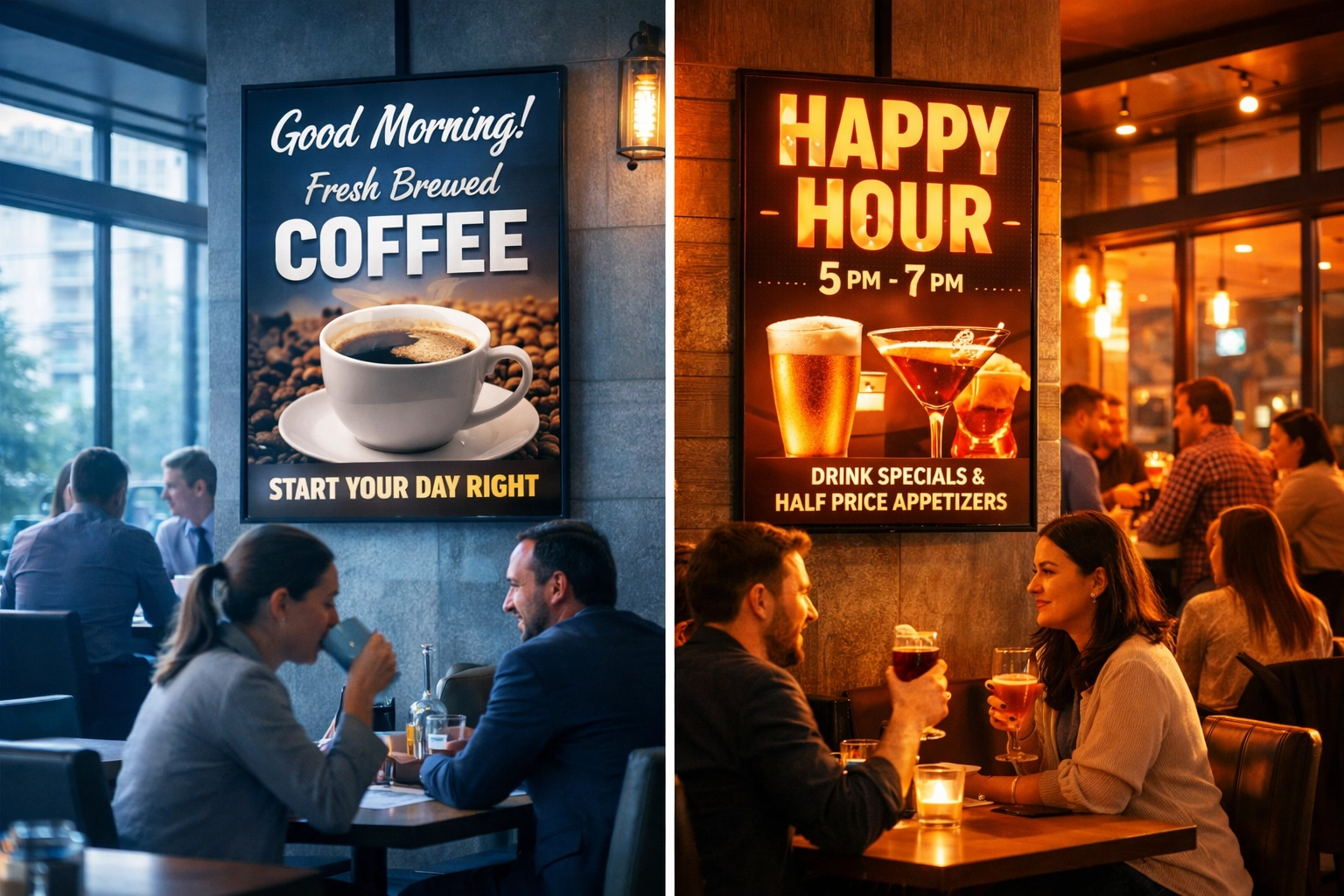
The fix: Run campaigns that rotate fresh creative regularly and schedule different messages for different times of day. Morning coffee ads at breakfast. Happy hour specials in the afternoon. Event promotions as the weekend approaches. Dynamic content keeps your brand front-of-mind without annoying your audience.
4. You Can't Track What's Working
If you don't know which locations, times, or messages drive results, you're flying blind. Most traditional digital signage systems offer zero feedback, leaving you guessing about campaign effectiveness.
The fix: Modern flexible campaigns provide transparent reporting that shows exactly where your ads run, when they display, and how your budget is spent. Use this data to double down on what works and cut what doesn't. Real-time insights let you optimize continuously instead of waiting until a campaign ends to discover it flopped.
5. You're Stuck with Rigid Schedules
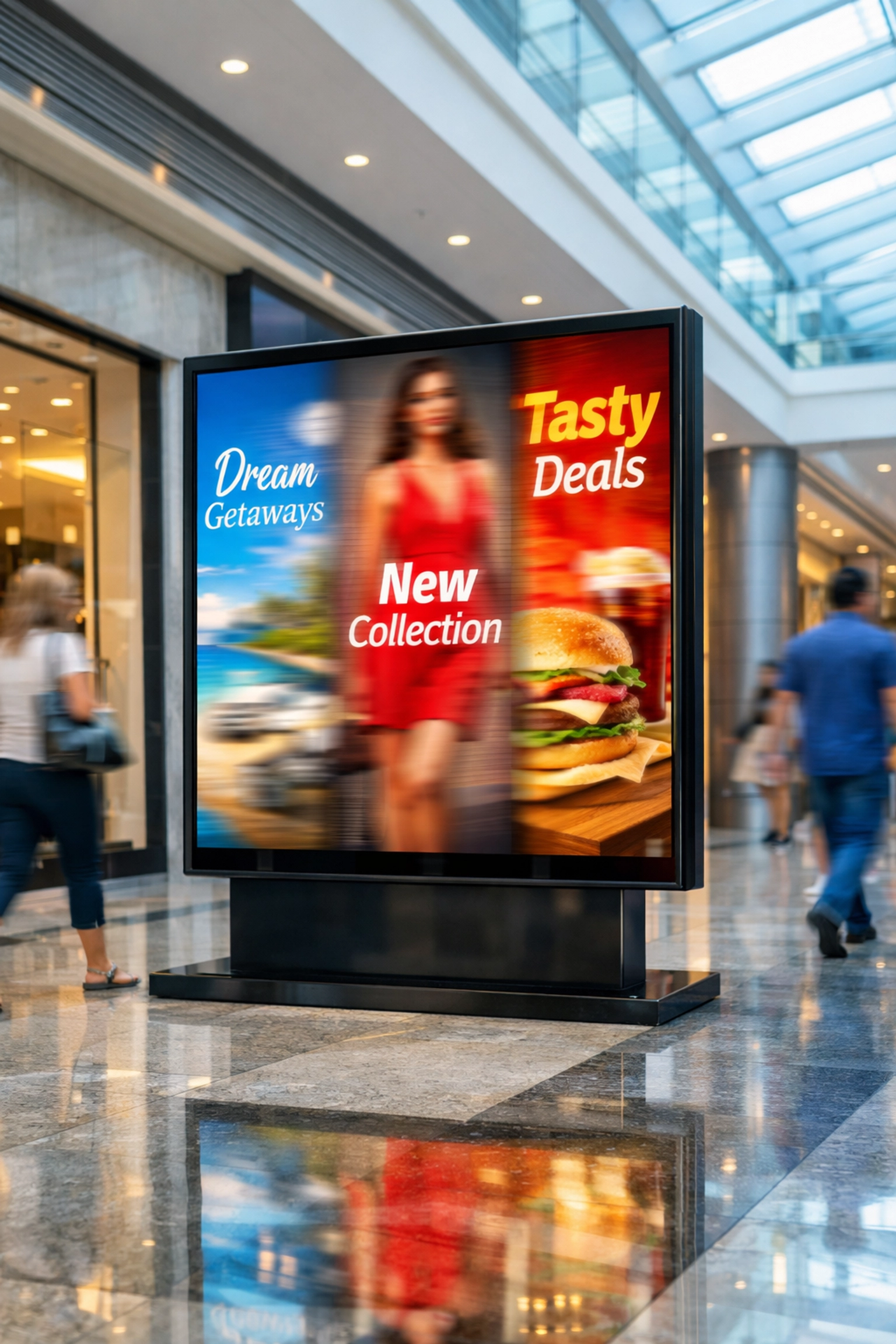
Traditional digital signage contracts lock you into fixed schedules that don't adapt to your business needs. Whether you need to push a flash sale or pause campaigns during slow periods, inflexibility costs you money.
The fix: Flexible scheduling lets you run campaigns continuously, on specific days, or only during peak hours. Launch a weekend promotion that runs Friday through Sunday. Schedule ads around breakfast, lunch, or dinner rushes. Turn campaigns on and off as needed without penalties or long-term commitments.
6. Your Campaigns Don't Respond to Real-World Events
The world changes constantly, but your digital signage doesn't. Special events, holidays, local happenings: these are prime opportunities to capture attention, but only if your campaigns can adapt in real-time.
The fix: Event-triggered campaigns automatically adjust based on what's happening around your target venues. Promote ride-sharing services during concerts and sporting events. Push umbrella sales when rain is forecast. Advertise cold drinks during heat waves. Responsive campaigns meet consumers exactly when they're most receptive to your message.
7. You're Managing Everything Manually
Updating content across multiple locations by hand is time-consuming, error-prone, and impossible to scale. Manual management leads to missed updates, inconsistent messaging, and wasted staff hours.
The fix: Centralized campaign management lets you control hundreds of locations from a single dashboard. Update creative, adjust schedules, or shift budgets across your entire network instantly. Whether you're managing screens in New York, Los Angeles, Hong Kong, Paris, Munich, or Italy, you maintain total control without the administrative nightmare.
8. Your Message Isn't Location-Specific
Generic messaging fails because it doesn't account for local context. An ad that resonates in a suburban grocery store might fall flat in an urban transportation hub.
The fix: Customize campaigns by venue type and location characteristics. Deliver different messages to sports bars versus medical offices. Adjust creative for downtown business districts versus residential neighborhoods. Localized messaging dramatically improves relevance and engagement.
9. You Can't Adjust for Weather or External Conditions
Weather impacts consumer behavior more than most marketers realize. Rainy days change shopping patterns. Heatwaves shift product demand. But if your campaigns can't respond, you miss these opportunities.
The fix: Weather-based triggers automatically adjust campaigns based on forecasts and real-time conditions. Cancel outdoor event promotions when rain is expected. Push hot beverage ads during cold snaps. Promote indoor activities on stormy days. Smart automation ensures your message always matches the moment.
10. You're Not Using Data to Optimize
Most digital signage advertisers make decisions based on hunches rather than hard data. Without proper analytics, you repeat mistakes and miss opportunities for improvement.
The fix: Leverage campaign data to identify patterns and trends. Which venue types deliver the best engagement? What times of day generate the most impact? Which neighborhoods respond strongest to your message? Use these insights to continuously refine your targeting, creative, and budget allocation. Data-driven decisions consistently outperform guesswork.

Making Flexible Campaigns Work for You
The difference between digital signage that works and digital signage that wastes money comes down to flexibility and targeting. When you can reach specific venues, adjust to real-world conditions, and optimize based on performance data, you transform screens from static billboards into dynamic marketing tools.
Whether you're targeting restaurants, retail stores, transportation hubs, or any other venue type, flexible campaigns give you the control and responsiveness traditional digital signage can't match. You choose the locations, set the radius, schedule the timing, and adjust as needed: all while maintaining clear visibility into results.
Ready to fix your digital signage advertising? Start by identifying which of these ten problems are holding your campaigns back. Then build a flexible strategy that puts your message in front of the right people, at the right time, in the right place.
Want to see how hyper-targeted digital signage campaigns can transform your advertising results? Learn more about RAMM's flexible campaign solutions and discover how venue-specific targeting delivers the ROI you've been missing.

