

Digital out-of-home advertising is exploding, but most campaigns are leaving money on the table. You're probably making at least three of these seven critical mistakes right now: and each one is costing you conversions, engagement, and brand memorability.
The good news? 3D billboard technology is revolutionizing how we think about DOOH creative, turning these common pitfalls into competitive advantages. Let's dive into what you're doing wrong and how to fix it.
Mistake #1: You're Overcomplicating Your Message
Stop cramming your entire brand story onto a single billboard. Your audience has seconds: not minutes: to process your message while they're walking, driving, or commuting past your display.
Most DOOH creative fails because you're treating it like a magazine ad or website banner. You're stuffing too much text, too many colors, and too many calls-to-action into a medium designed for instant impact.
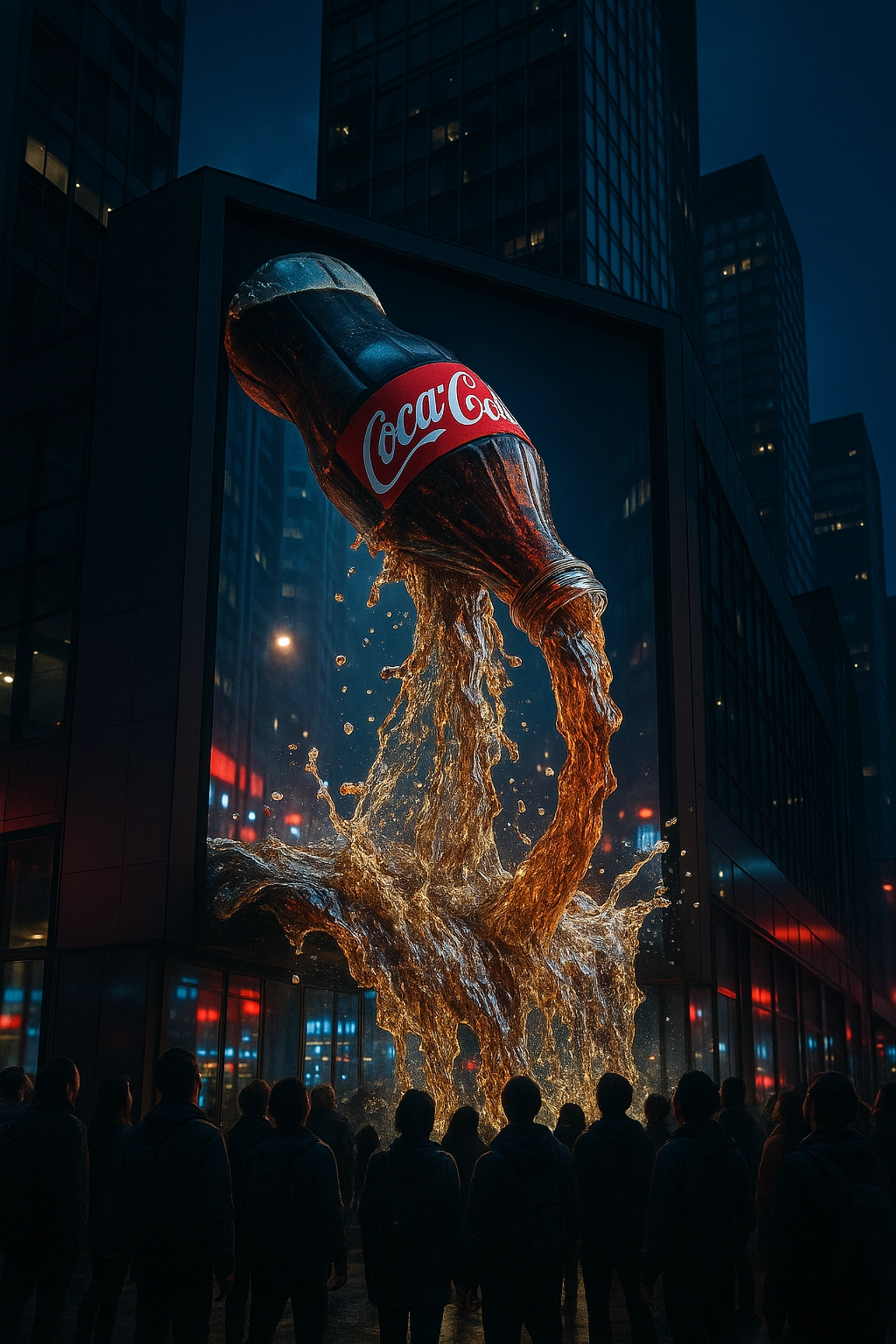
How 3D Billboards Fix This: Three-dimensional displays force creative simplicity by making your core message literally pop off the screen. When your product appears to break through the billboard's boundaries, viewers instantly understand what you're selling without reading a single word. A 3D Coca-Cola bottle pouring into the street communicates refreshment more effectively than any tagline ever could.
Mistake #2: You're Ignoring Location-Specific Context
Your billboard creative shouldn't be identical whether it's displayed in Times Square or suburban Denver. Yet most campaigns use cookie-cutter creative across all locations, missing massive opportunities for contextual relevance.
You're wasting premium real estate by not adapting your message to the specific environment, demographics, and behaviors of each location. A generic "Buy Now" message performs identically everywhere: which means it's not performing optimally anywhere.
How 3D Billboards Fix This: Advanced 3D displays can adapt their dimensional effects based on viewing angles, time of day, and location-specific data. Your 3D coffee cup can steam more aggressively during morning rush hour, or your 3D car can appear to drive in the direction of the nearest dealership. Context becomes part of the creative itself.
Mistake #3: You're Creating Static, Forgettable Content
Static images blend into urban background noise. Your audience's brains are literally trained to ignore repetitive visual information, which is exactly what traditional DOOH creative provides.
Even animated 2D content struggles to break through the attention barrier in our oversaturated media environment. You need content that doesn't just move: it needs to surprise, delight, and create genuine "Did I really see that?" moments.
How 3D Billboards Fix This: Three-dimensional creative is inherently disruptive. When executed correctly, 3D billboards create viral social media moments because people literally stop to record and share them. Your campaign extends beyond the billboard itself into organic social reach, multiplying your investment.
Mistake #4: You're Misaligning with the Buyer's Journey
Your billboard messaging doesn't match where your audience is in their purchasing decision. You're either too aggressive with direct sales messages to cold audiences, or too vague with brand awareness content for warm prospects.
This misalignment happens because you're not considering the behavioral context of your display locations. A billboard near a shopping mall requires different messaging than one on a highway commute route.
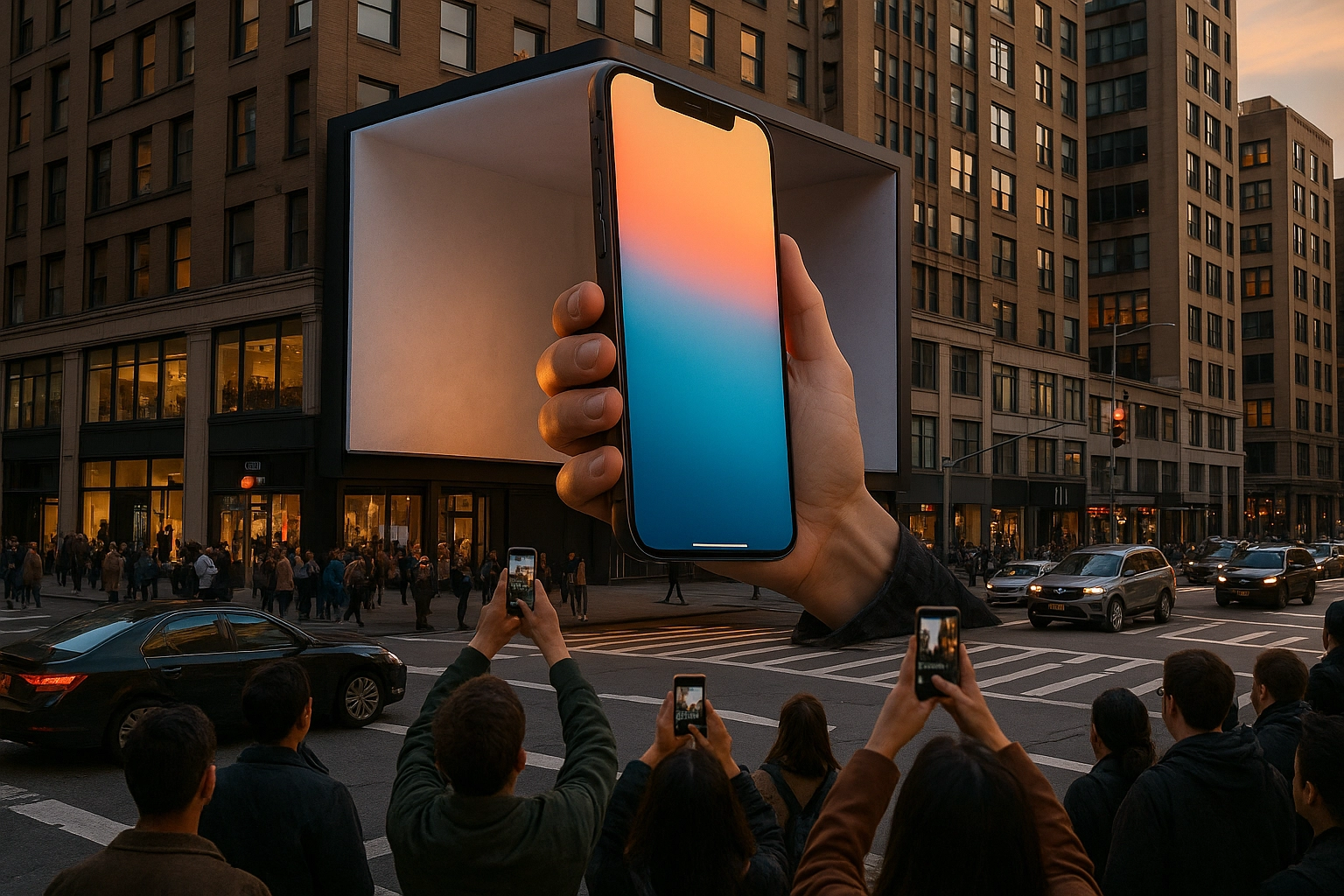
How 3D Billboards Fix This: 3D technology allows for layered messaging that serves different journey stages simultaneously. Your 3D smartphone can display basic features for awareness-stage viewers while showing specific apps and interfaces for consideration-stage prospects: all within the same creative execution. The depth dimension literally creates space for nuanced messaging.
Mistake #5: You're Failing to Measure Performance
You're flying blind because you're not leveraging DOOH's data capabilities. Unlike traditional billboards, digital displays can provide real-time audience measurement, engagement tracking, and attribution data: but most campaigns ignore these insights entirely.
Without performance data, you can't optimize creative elements, adjust messaging timing, or prove ROI to stakeholders. You're treating measurable media like unmeasurable media.
How 3D Billboards Fix This: 3D displays generate significantly higher engagement rates and dwell time, making performance measurement more meaningful. When audiences stop to photograph and share your 3D creative, you're creating trackable digital touchpoints. Advanced 3D systems can also measure viewing angles and attention duration to optimize dimensional effects in real-time.

Mistake #6: You're Treating DOOH Like Traditional Advertising
You're stuck in old-school advertising thinking, using DOOH as a digital version of print or TV creative. This approach ignores the unique strengths of the medium: contextual relevance, environmental integration, and real-world interactivity.
Traditional advertising interrupts; effective DOOH enhances the environment. You should be creating experiences, not just displaying messages.
How 3D Billboards Fix This: Three-dimensional creative transforms advertising into environmental art. Your 3D elements can interact with architectural features, weather conditions, and time of day. A 3D umbrella can appear to shield pedestrians during rain, or 3D snow effects can complement winter weather. You're not just advertising: you're contributing to the urban experience.
Mistake #7: You're Not Leveraging Emotional Engagement
Your DOOH creative appeals to logic but ignores emotion. You're listing features, benefits, and reasons to buy instead of creating feelings that drive purchasing decisions.
Emotional engagement is particularly crucial for DOOH because audiences encounter your message during real-world experiences, not digital browsing sessions. The context is inherently more personal and immediate.
How 3D Billboards Fix This: Nothing creates emotional impact like the unexpected. 3D effects trigger genuine surprise, delight, and wonder: emotions that create lasting brand associations. When your 3D pizza slice appears to extend into the sidewalk, you're not just advertising food; you're creating a moment of joy that viewers associate with your brand forever.

Making the Shift to 3D DOOH Creative
The transition from traditional DOOH to 3D isn't just about technology: it's about reimagining how outdoor advertising can integrate with urban environments and human experiences.
Start by auditing your current campaigns against these seven mistakes. Identify which errors are costing you the most engagement and conversions, then prioritize 3D solutions that address your biggest creative gaps.
Remember: 3D billboard technology isn't just a visual upgrade; it's a strategic tool for solving fundamental DOOH creative challenges. When you stop thinking of billboards as digital posters and start viewing them as immersive brand experiences, you unlock the medium's true potential.
The most successful 3D DOOH campaigns don't just look impressive: they drive measurable business results by avoiding these common creative pitfalls. Your competition is still making these mistakes. Use 3D technology to leave them behind.
Ready to transform your DOOH creative strategy? The future of outdoor advertising isn't flat; it's dimensional, contextual, and unforgettable.

