
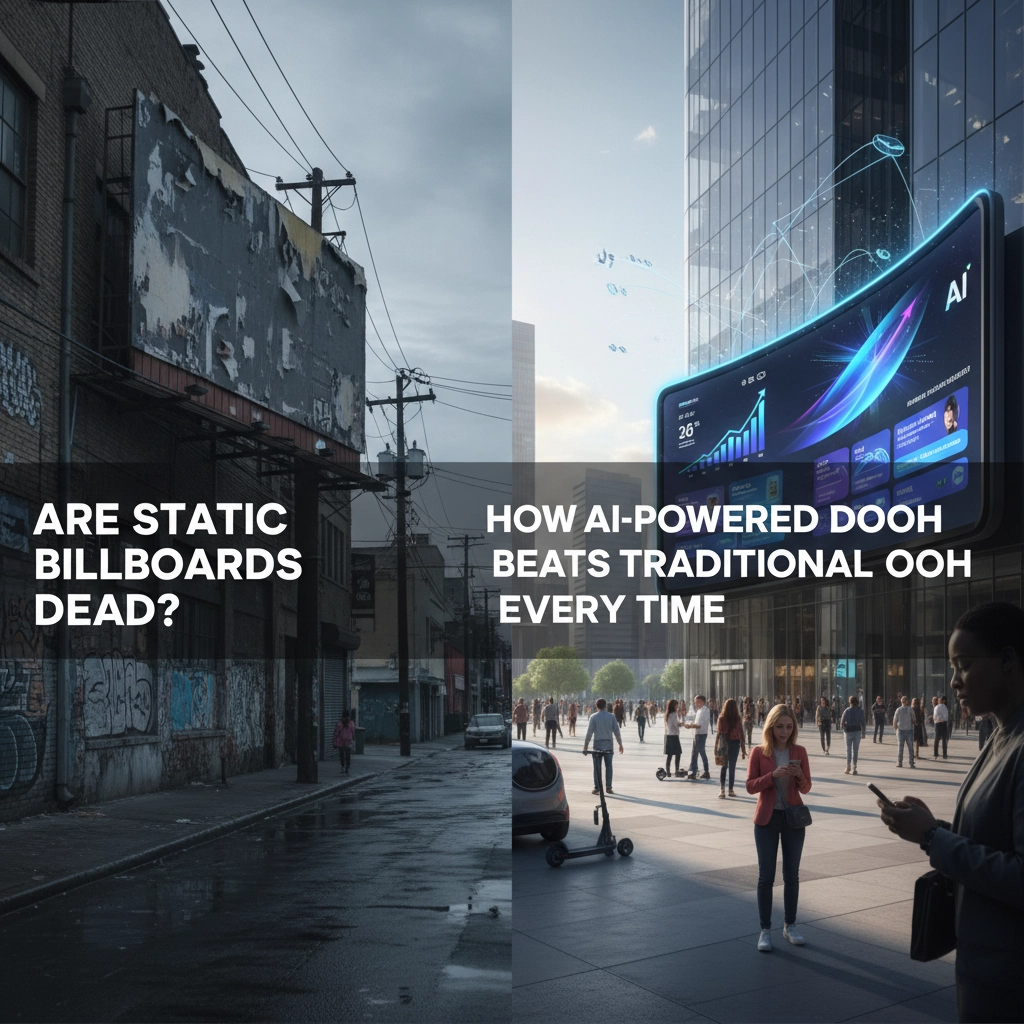
Stop believing the hype: static billboards aren't dead, and digital out-of-home (DOOH) doesn't automatically win every advertising battle. The truth is far more nuanced, and understanding when to deploy each format will determine whether your campaigns soar or sink.
You're facing a critical decision in your media planning, and the wrong choice could waste thousands of dollars while missing your target audience entirely. Let's cut through the marketing noise and examine what's really happening in the OOH landscape.
The Static Billboard Reality Check
Static billboards continue delivering impressive results in 2025, despite predictions of their demise. Here's what the data actually shows: 71% of people notice roadside billboards while passing, and these displays generate a reported 40% ROI across various industries.
Your static billboard campaigns excel in specific scenarios that digital alternatives struggle to match. Long-term brand awareness campaigns benefit from the persistent, unchanging message that builds recognition through repeated exposure. Unlike online ads that users can skip or block, static billboards provide consistent visibility that compounds over time.
Consider the cost-effectiveness factor. Static billboards offer exceptional value in cost-per-impression terms, especially for campaigns running several months. You're not paying for digital infrastructure, technical maintenance, or content management systems: just pure, unfiltered reach.
How AI-Powered DOOH Changes Everything
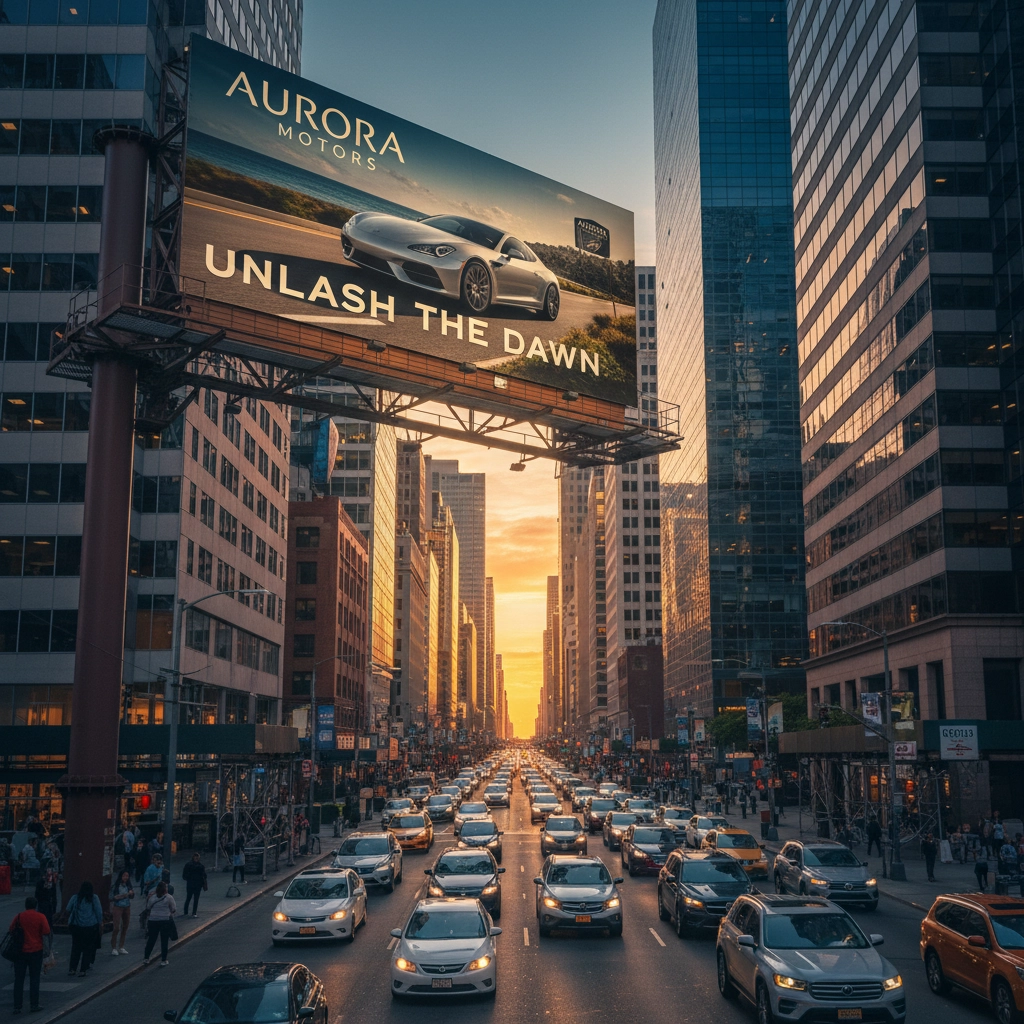
Digital out-of-home advertising transforms static limitations into dynamic opportunities. AI-powered DOOH platforms analyze real-time data streams: weather patterns, traffic conditions, demographic insights, and time-based behaviors: to automatically optimize your message delivery.
Your campaigns gain unprecedented flexibility through programmatic technology. Promote hot coffee during morning commutes, switch to cold beverages during afternoon heat waves, and adjust messaging based on live traffic data. This responsiveness creates relevance that static displays simply cannot achieve.
Measurement capabilities set DOOH apart dramatically. You receive detailed analytics on impression counts, engagement rates, foot traffic analysis, and sales lift evaluation. These insights allow you to refine campaigns in real-time, maximizing return on advertising spend through data-driven optimization.
Motion-based content proves particularly powerful on digital displays, with motion ads showing 81% higher effectiveness at capturing attention compared to static alternatives. Nearly two-thirds of DOOH viewers report taking action after encountering digital billboard content.
The Head-to-Head Comparison
Cost Structure Reality
Static billboards demand lower upfront investment but limit your campaign flexibility. DOOH requires higher initial costs but delivers better long-term value through content rotation and precise targeting capabilities.
Engagement and Attention
Static displays rely on compelling design and strategic placement for impact. DOOH leverages motion, video content, and interactive elements that command attention more effectively. Studies show 90% of people notice digital displays compared to 71% for static alternatives.
Campaign Flexibility
Changing static billboard content requires printing, installation, and significant downtime. DOOH updates happen instantly through cloud-based content management systems, allowing you to respond to market conditions, competitor actions, or seasonal trends immediately.

Measurement and Optimization
Static billboard performance remains largely unmeasurable beyond broad reach estimates. DOOH provides granular analytics including dwell time, engagement rates, and conversion tracking through integrated mobile and location data.
Strategic Deployment Guidelines
Choose Static Billboards When:
Deploy static displays for consistent, long-term brand building campaigns that don't require frequent updates. Your budget favors cost-effective reach over advanced features, and your message remains relevant across extended periods.
Geographic targeting matters more than demographic precision in your strategy. High-traffic locations with diverse audiences benefit from static displays, especially when complementing broader multichannel campaigns.
Choose AI-Powered DOOH When:
Launch time-sensitive campaigns requiring real-time optimization and measurement. Your strategy demands precise audience targeting based on demographics, behavior patterns, or environmental conditions.
Dynamic content enhances your message: product launches, promotional campaigns, and seasonal offerings perform better with video, animation, and interactive elements. You need measurable ROI data to justify advertising spend and optimize future campaigns.

The Integration Advantage
Smart marketers don't choose between static and digital: they strategically combine both formats for maximum impact. Use static billboards for foundational brand awareness that maintains consistent presence, while deploying DOOH for targeted campaigns that drive specific actions.
This hybrid approach leverages the cost-effectiveness of static displays alongside the precision and measurability of digital platforms. Your brand maintains omnipresence through static installations while capturing attention through dynamic digital content.
Consider geographic and demographic factors when planning integration. Dense urban areas with tech-savvy audiences respond well to DOOH campaigns, while suburban and rural locations often show strong static billboard performance.
Future-Proofing Your OOH Strategy
The outdoor advertising landscape continues evolving rapidly, with AI capabilities expanding and programmatic buying becoming standard practice. Position your campaigns to leverage these advances while maintaining proven traditional elements.
Programmatic DOOH spending reached $1 billion in 2025, indicating massive industry transformation. However, static billboard effectiveness remains strong, suggesting both formats will coexist rather than one replacing the other entirely.
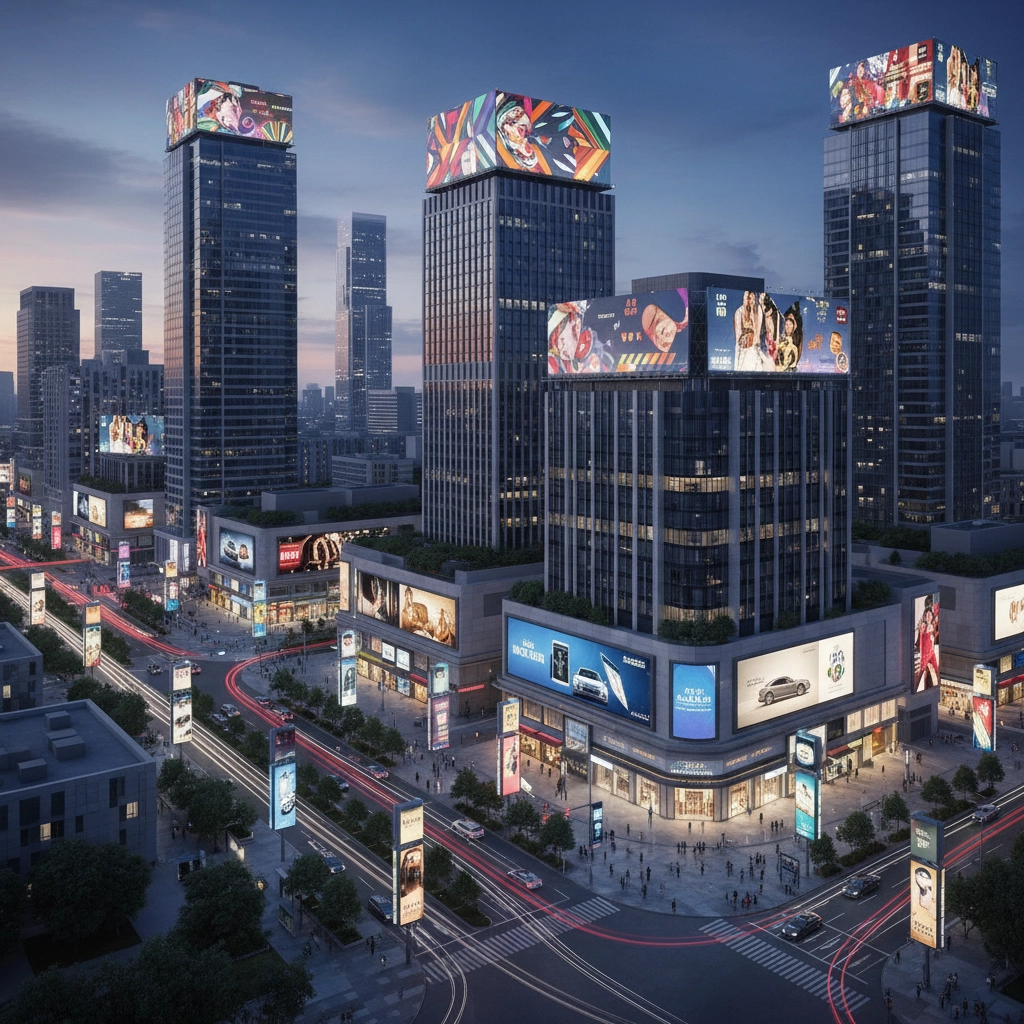
Your success depends on matching format capabilities to campaign objectives. Short-term promotional campaigns benefit from DOOH's flexibility and measurement capabilities. Long-term brand building often achieves better cost-efficiency through static displays.
Making the Right Choice for Your Campaign
Evaluate your specific campaign goals, budget constraints, and measurement requirements before choosing between static and digital formats. Consider the total cost of ownership, including production, installation, and ongoing management expenses.
Test both approaches when possible, using smaller campaigns to gather performance data before committing to larger investments. Many successful brands discover that strategic combination outperforms exclusive reliance on either format.
Remember that context drives effectiveness more than format alone. A compelling message on a well-placed static billboard often outperforms poorly executed digital content, regardless of technological advantages.
The future of outdoor advertising isn't about choosing winners and losers: it's about understanding how different formats serve different purposes within comprehensive marketing strategies. Master both approaches, and you'll outperform competitors who limit themselves to single-format thinking.
Your next OOH campaign's success depends on strategic format selection based on concrete objectives rather than industry hype. Choose wisely, measure relentlessly, and optimize continuously for maximum advertising impact.

