
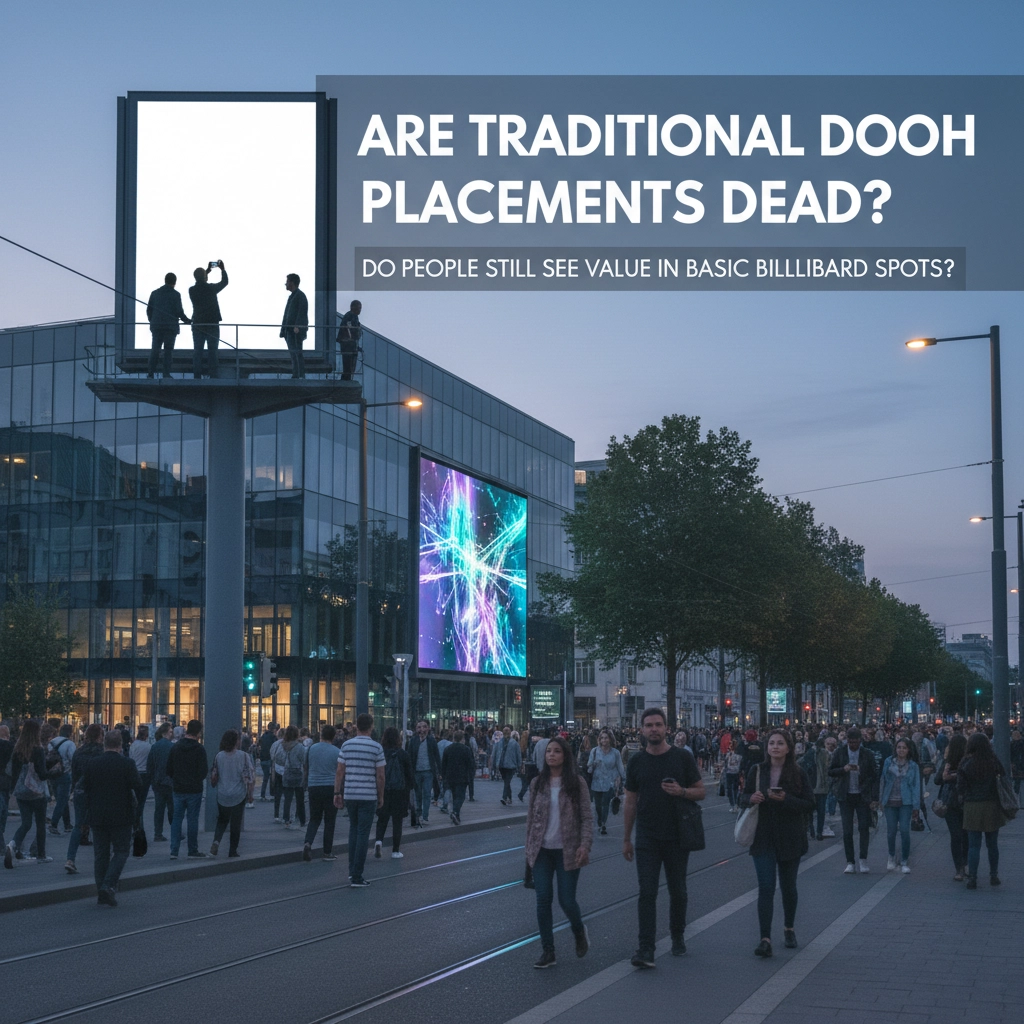
Stop believing the hype: traditional billboard spots aren't going anywhere. In fact, they're thriving alongside digital out-of-home advertising in ways that might surprise you. While industry chatter focuses on AI-powered screens and programmatic buying, basic billboard placements continue to deliver massive value for brands smart enough to use them strategically.
The real question isn't whether traditional billboards are dead. It's whether you understand how to leverage both static and digital placements to create unstoppable outdoor campaigns that actually move the needle for your business.
Destroy the "Dead Billboard" Myth with Hard Data
Traditional billboard advertising is experiencing a renaissance, not a funeral. Global spending in traditional out-of-home advertising is projected to hit $20.98 billion by the end of 2023. These aren't vanity metrics: they represent real advertiser confidence backed by measurable results.
Consider these consumer engagement numbers that prove basic billboards still command attention:
- 76% of American consumers actively notice traditional roadside billboards
- 47% pay attention to static posters in urban environments
- 42% report that out-of-home ads directly influence their shopping decisions
These statistics demolish any argument that traditional placements have lost their effectiveness. When nearly eight out of ten consumers notice your billboard message, you're not dealing with a dead medium: you're working with a consistently powerful advertising channel.
Master the Unique Advantages of Traditional Billboard Placements
Traditional billboards excel where digital formats often struggle. Understand these core advantages to maximize your static placement strategy:
Claim 100% Share of Voice: Unlike digital billboards that rotate multiple advertisers, static placements give you complete attention for your entire campaign duration. Your message doesn't compete with other ads on the same screen: it owns the space entirely.
Achieve Superior Cost Efficiency: Traditional billboards typically cost significantly less per month than digital alternatives, making them perfect for extended brand exposure campaigns. This cost advantage lets you maintain longer campaign durations or invest in multiple strategic locations within the same budget.
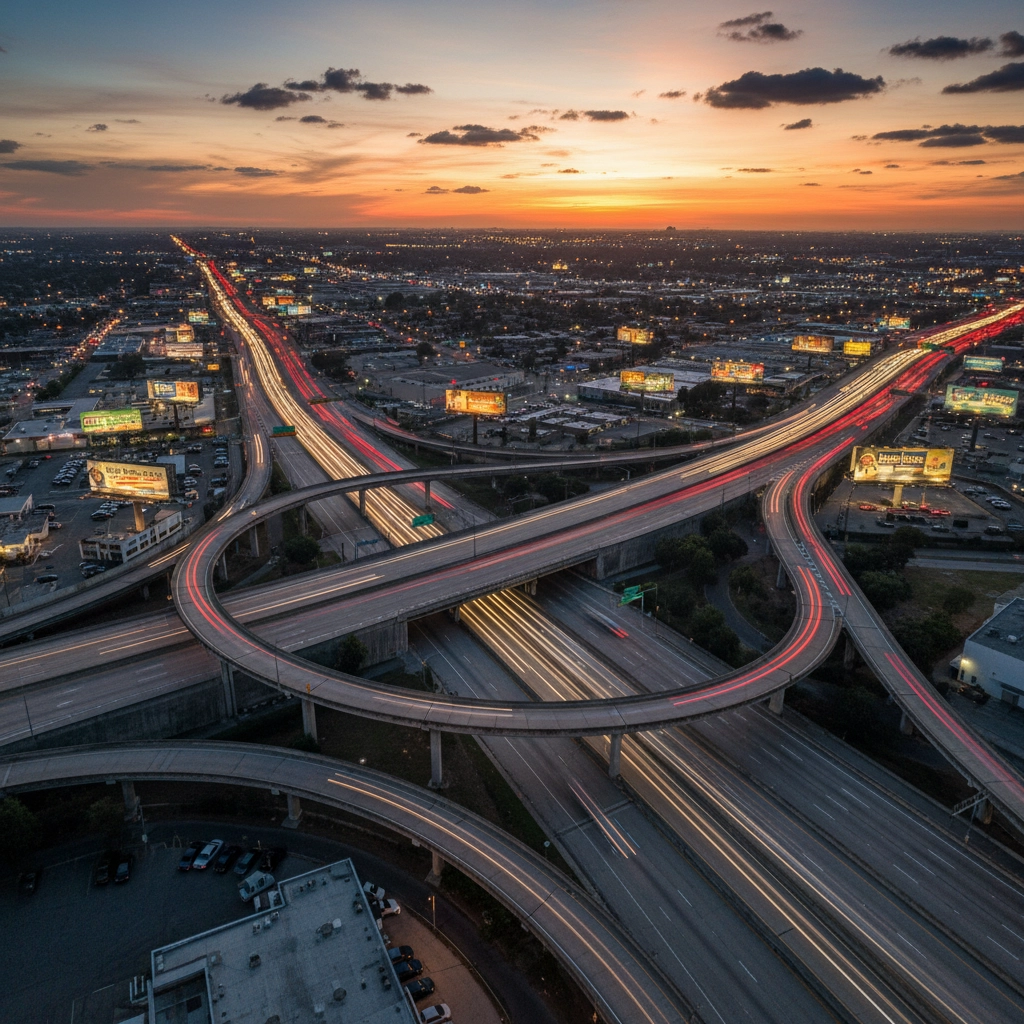
Dominate Highway and Rural Markets: Digital screens remain sparse in suburban and rural corridors, giving traditional billboards a massive competitive advantage. If your target audience includes commuters, travelers, or rural consumers, basic billboard spots often provide the only outdoor advertising option available.
Cut Through Digital Noise: In our hyper-connected world, static billboards offer a refreshing break from screen fatigue. They provide constant, uninterrupted exposure without competing against social media notifications, streaming ads, or mobile distractions.
Recognize Why DOOH Continues Its Explosive Growth
While traditional billboards maintain their relevance, digital out-of-home advertising is simultaneously experiencing unprecedented expansion. Global digital ad spending is projected to reach $992 billion in 2025, with digital out-of-home formats rising 7.9% to $678.7 billion.
This growth isn't coincidental: it's driven by technological innovations that solve real advertiser challenges.
Leverage AI-Powered Personalization: Modern DOOH platforms use artificial intelligence to adapt content in real-time. Weather triggers can promote hot coffee during cold snaps or advertise sunscreen during heat waves. Time-based messaging adjustments ensure your ads stay relevant throughout different parts of the day.
Access Advanced Attribution Tools: Digital placements now offer sophisticated measurement capabilities that connect outdoor exposure to actual sales and conversions. These attribution tools provide the data-driven insights that traditional billboards historically couldn't deliver.
Integrate Mobile and Social Experiences: QR codes, social media integrations, and mobile extensions transform static viewing into interactive experiences. Consumers can instantly engage with your brand, download apps, or share content: extending your campaign's reach beyond the initial billboard exposure.
Build Winning Strategies Using Both Formats Together
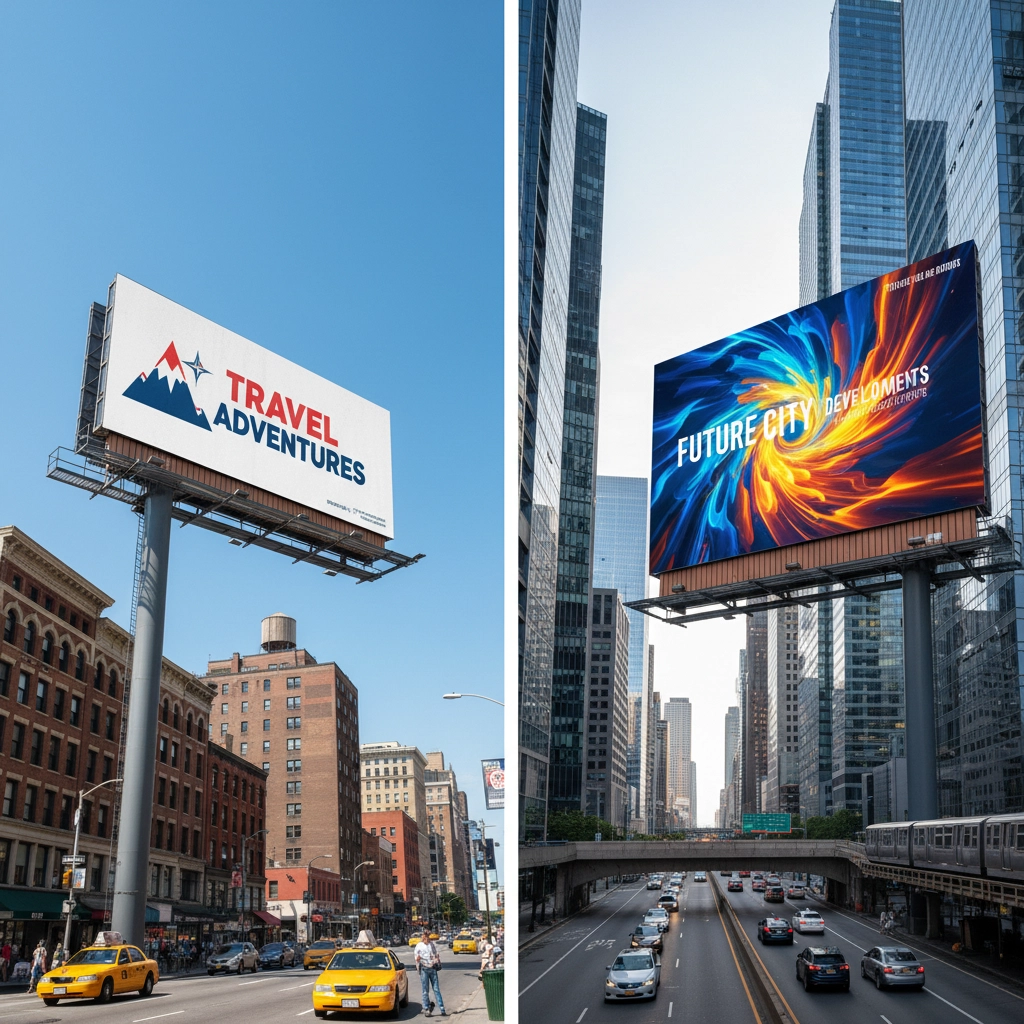
Smart advertisers don't choose between traditional and digital billboards: they strategically combine both formats to create comprehensive outdoor campaigns that maximize reach and effectiveness.
Use Traditional Billboards for Brand Foundation: Deploy static placements for consistent brand messaging and long-term awareness building. These placements work best for established messaging that doesn't require frequent updates, such as brand positioning, core value propositions, or evergreen product promotions.
Deploy DOOH for Dynamic Messaging: Reserve digital placements for time-sensitive promotions, event-based advertising, or campaigns requiring frequent creative updates. DOOH excels when you need to test different messages, respond to current events, or create location-specific content variations.
Match Format to Geography: Traditional billboards dominate highway corridors and rural markets, while DOOH performs best in dense urban environments with high foot traffic. Analyze your target audience's geographic distribution to determine optimal format allocation.
Align Budget with Campaign Objectives: Long-term brand building campaigns benefit from traditional billboard cost efficiency, while short-term promotional pushes may justify DOOH's higher costs through enhanced targeting and measurement capabilities.
Implement Location-Specific Placement Strategies
Transform your billboard effectiveness by matching placement types to specific geographic and demographic contexts:
Highway and Commuter Routes: Traditional billboards excel on major highways where drivers have extended exposure time and digital screens are limited. These locations favor simple, memorable messages that can be processed quickly at highway speeds.
Urban Centers and Transit Hubs: DOOH performs exceptionally well in high-traffic urban environments where multiple daily exposures justify premium pricing. These locations support more complex messaging and interactive elements.
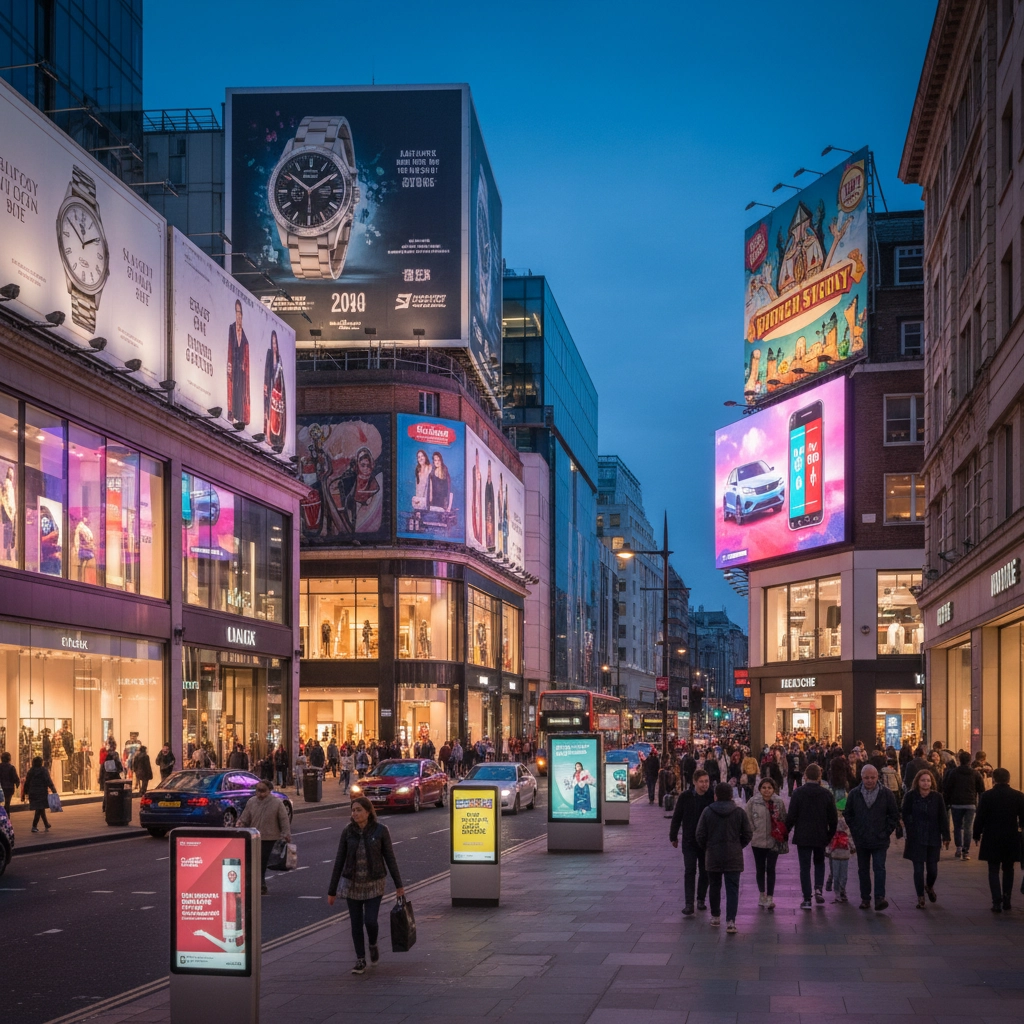
Shopping Districts and Entertainment Venues: Both formats can succeed in retail environments, but DOOH offers advantages for promoting specific sales events or coordinating with nearby store promotions through real-time updates.
Optimize Creative Approaches for Each Format
Maximize your campaign performance by tailoring creative strategies to each placement type's unique characteristics:
Traditional Billboard Creative Guidelines: Focus on bold, simple messaging with high contrast colors and minimal text. Your creative must work effectively at various distances and viewing speeds. Test readability from typical viewing distances before finalizing designs.
DOOH Creative Opportunities: Embrace motion graphics, animation, and dynamic content updates. These formats support more detailed messaging and can incorporate real-time data feeds, social media integration, or interactive elements that static billboards cannot accommodate.
Cross-Format Consistency: Maintain visual and messaging consistency across both traditional and digital placements while adapting execution to each format's technical capabilities. This approach reinforces brand recognition while optimizing performance for each medium.
Navigate Future Trends Affecting Both Formats
Position your outdoor advertising strategy for long-term success by understanding emerging trends that will shape both traditional and digital billboard effectiveness:
Sustainability Considerations: Environmental consciousness is driving innovations in both formats. Traditional billboards are adopting eco-friendly printing and construction materials, while DOOH is improving energy efficiency through LED technology advances.
Integration with Mobile Technology: Both formats are finding new ways to connect with mobile devices. Traditional billboards increasingly incorporate QR codes and short URLs, while DOOH develops more sophisticated mobile interaction capabilities.
Enhanced Measurement Standards: Industry-wide measurement improvements are benefiting both traditional and digital formats through better audience verification, attribution modeling, and cross-channel integration capabilities.
The outdoor advertising landscape continues evolving rapidly, but both traditional and digital billboard formats maintain distinct advantages that serve different strategic needs. Master these differences, and you'll create outdoor campaigns that consistently deliver results regardless of which format dominates future industry discussions.
Your success depends not on choosing the "right" format, but on understanding how to leverage both traditional and digital placements strategically. Start by analyzing your specific campaign objectives, target audience behavior, and geographic requirements: then build outdoor advertising strategies that harness the unique strengths of both formats.

