


Digital Out-of-Home (DOOH) advertising has evolved from simple billboard displays to sophisticated, data-driven touchpoints that seamlessly connect your online and offline marketing efforts. When properly integrated into your omnichannel strategy, DOOH becomes a powerful amplifier that bridges the gap between digital precision and real-world engagement.
The key to successful DOOH integration lies in treating it as a native component of your broader marketing ecosystem, not an isolated channel. Follow these five strategic steps to transform your DOOH campaigns from standalone efforts into integral parts of a cohesive omnichannel experience.
Step 1: Define Clear Goals and Set Strategic Foundations
Begin your DOOH integration by establishing specific, measurable objectives that align with your broader omnichannel goals. Your DOOH strategy should address distinct gaps in your customer journey: whether you're targeting awareness at the top of the funnel, driving consideration in the middle, or pushing conversions at the bottom.
Consider how DOOH will complement your existing digital channels. If your search campaigns excel at capturing high-intent users, position DOOH to build awareness among your target audience before they begin their search journey. If your social media drives strong engagement among younger demographics, use DOOH to reach those same audiences in contextually relevant environments like transit hubs or entertainment districts.
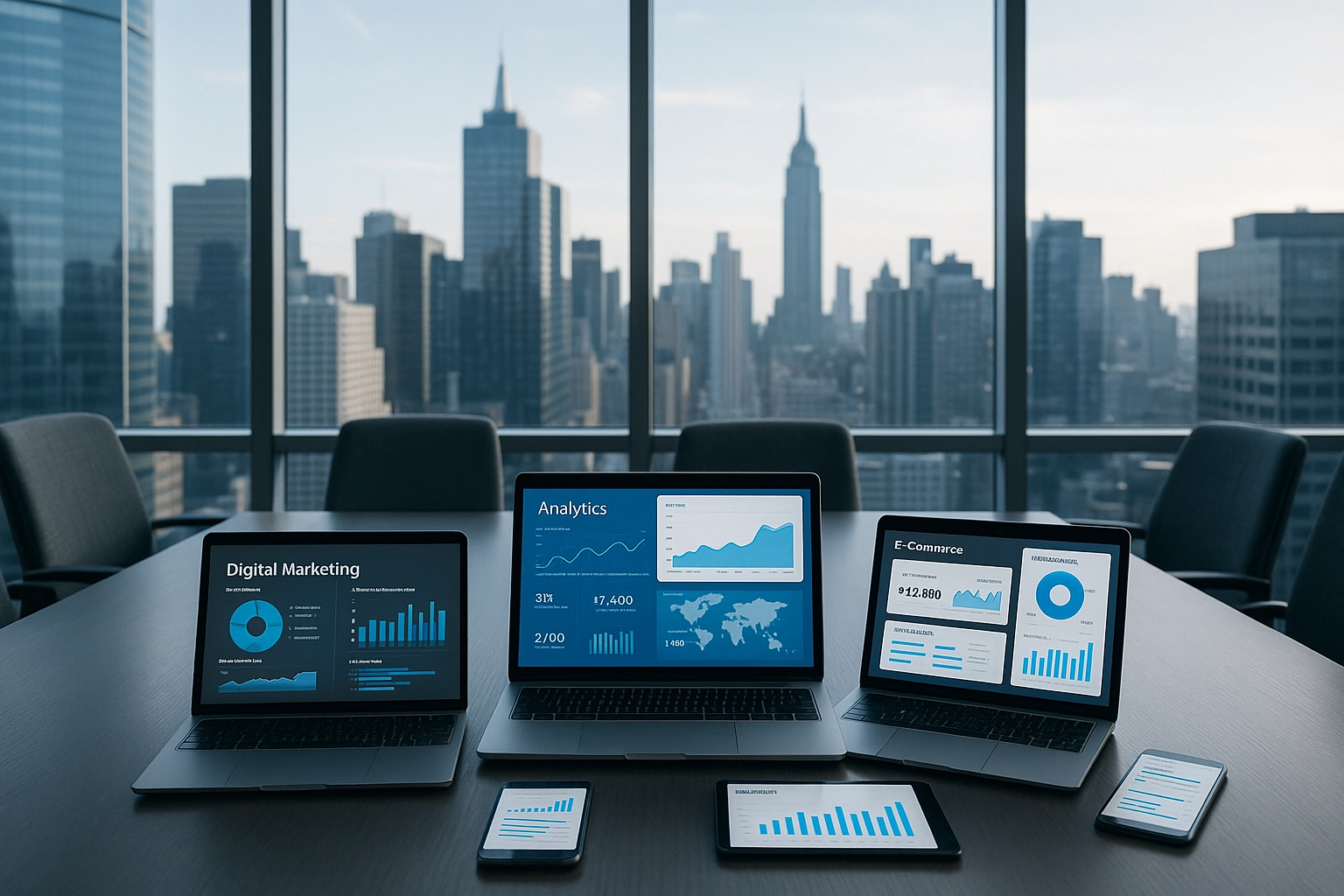
Map out specific scenarios where DOOH will enhance your other channels. For instance, if you're launching a new product, coordinate your DOOH placements to create anticipation in high-traffic areas while your programmatic display campaigns retarget visitors to your website with detailed product information. This strategic alignment ensures every touchpoint serves a purpose in your larger narrative.
Set clear KPIs that mirror those used in your other channels: brand awareness lift, website traffic increases, conversion attribution, or foot traffic to physical locations. These metrics should directly connect to your overall campaign objectives, allowing you to measure DOOH's contribution to your omnichannel success.
Step 2: Implement Advanced Targeting and Strategic Screen Selection
Transform your DOOH approach from broad, demographic-based targeting to precision-driven, audience-specific placements. Use advanced targeting tools and real-time signals to identify and engage your audience on the most relevant screens at optimal moments.
Leverage location intelligence and movement pattern data to map where your target audience spends time throughout their day. If your customer data reveals that your high-value segments frequently travel specific routes or visit particular retail environments, prioritize screens in those locations. This data-driven approach ensures your DOOH placements intersect with your audience's natural movement patterns.
Implement dynamic creative optimization that responds to real-time conditions. Weather-responsive campaigns can promote cold-weather gear during temperature drops, while time-based messaging can highlight lunch specials during peak dining hours. This contextual relevance makes your DOOH placements feel natural and timely rather than intrusive.
Coordinate your screen selection with your other channel activities. If your programmatic campaigns perform well in specific geographic markets, concentrate your DOOH efforts in those same areas to reinforce your message across multiple touchpoints. This geographic alignment amplifies your presence and increases the likelihood of meaningful audience engagement.
Step 3: Optimize Budget Allocation with Real-Time Capabilities
Embrace the programmatic capabilities of modern DOOH platforms to optimize your spending dynamically throughout campaign flight dates. Apply Audience Reach Percentage (ARP) principles to shift budget toward screens and time slots that deliver the highest concentration of your target audience.
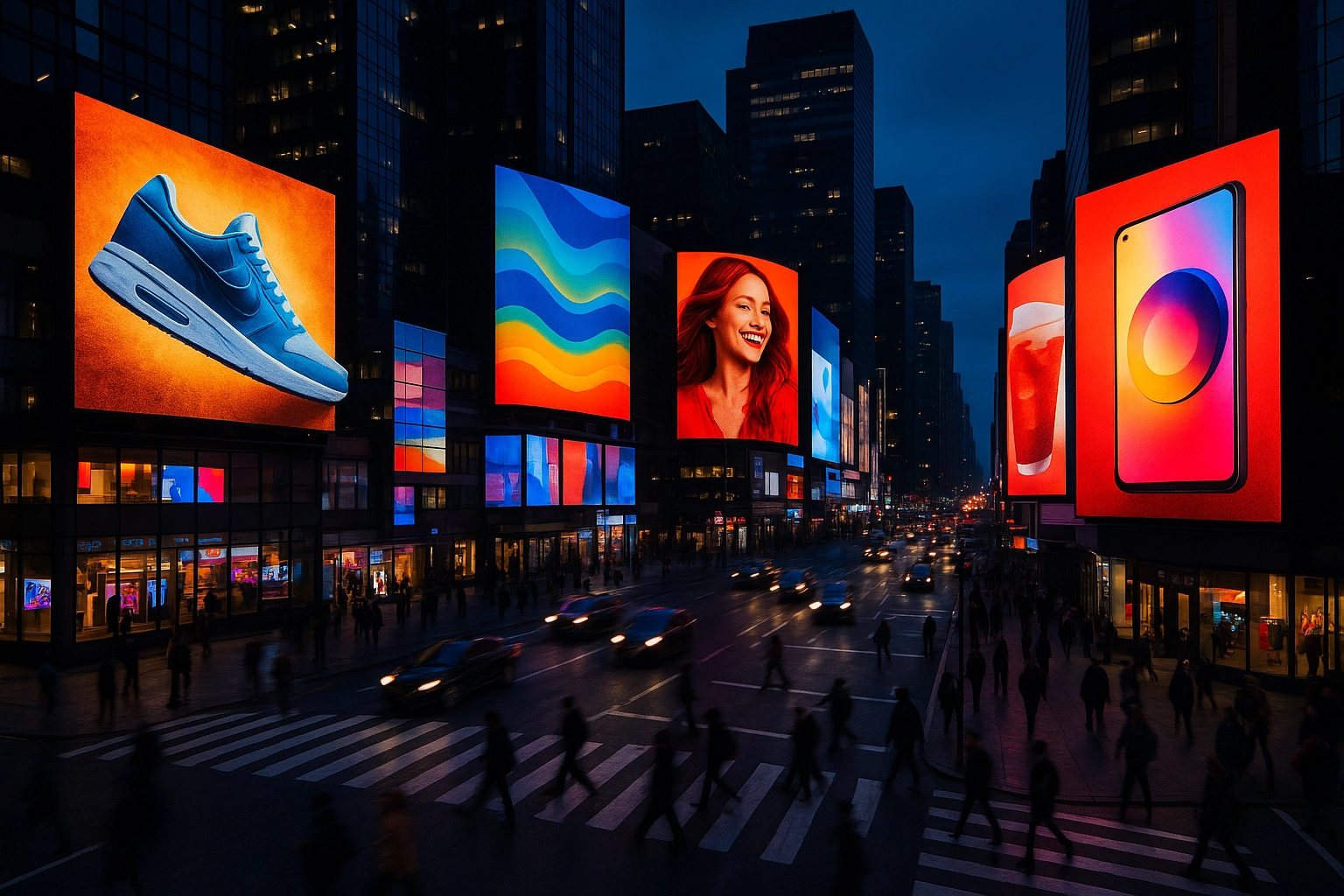
Monitor audience density and engagement patterns in real-time, adjusting your spend allocation as conditions change. During peak commute hours, increase investment in transit-adjacent screens where your audience is most concentrated. During weekend shopping periods, shift budget toward retail environments where purchase intent is higher.
Integrate your DOOH bidding strategies with your broader programmatic ecosystem. Many demand-side platforms now offer unified dashboards that allow you to coordinate DOOH spending with your display, video, and mobile campaigns. This integration enables sophisticated budget optimization across all programmatic channels based on real-time performance data.
Implement frequency capping across channels to avoid overexposure while maximizing reach. Coordinate your DOOH frequency with your digital display and social media campaigns to create optimal exposure levels without overwhelming your audience. This cross-channel frequency management ensures each touchpoint contributes to awareness building rather than causing ad fatigue.
Step 4: Create Seamless Cross-Channel Experiences
Design your DOOH campaigns to provide continuity and reinforcement across the entire customer journey. Your outdoor messaging should feel like a natural extension of your digital campaigns, maintaining consistent creative themes, messaging pillars, and call-to-action strategies.
Develop creative frameworks that adapt seamlessly across channels while maintaining core brand elements. If your digital campaigns feature specific visual motifs or messaging themes, incorporate those same elements into your DOOH creative. This consistency creates a cohesive brand experience as consumers encounter your message across different environments.
Implement mobile retargeting capabilities by capturing device IDs from audiences who enter defined location boundaries around your DOOH placements. When someone passes your digital billboard, add them to custom audiences for follow-up campaigns on social media, search, or display advertising. This location-based retargeting creates powerful sequential messaging opportunities.
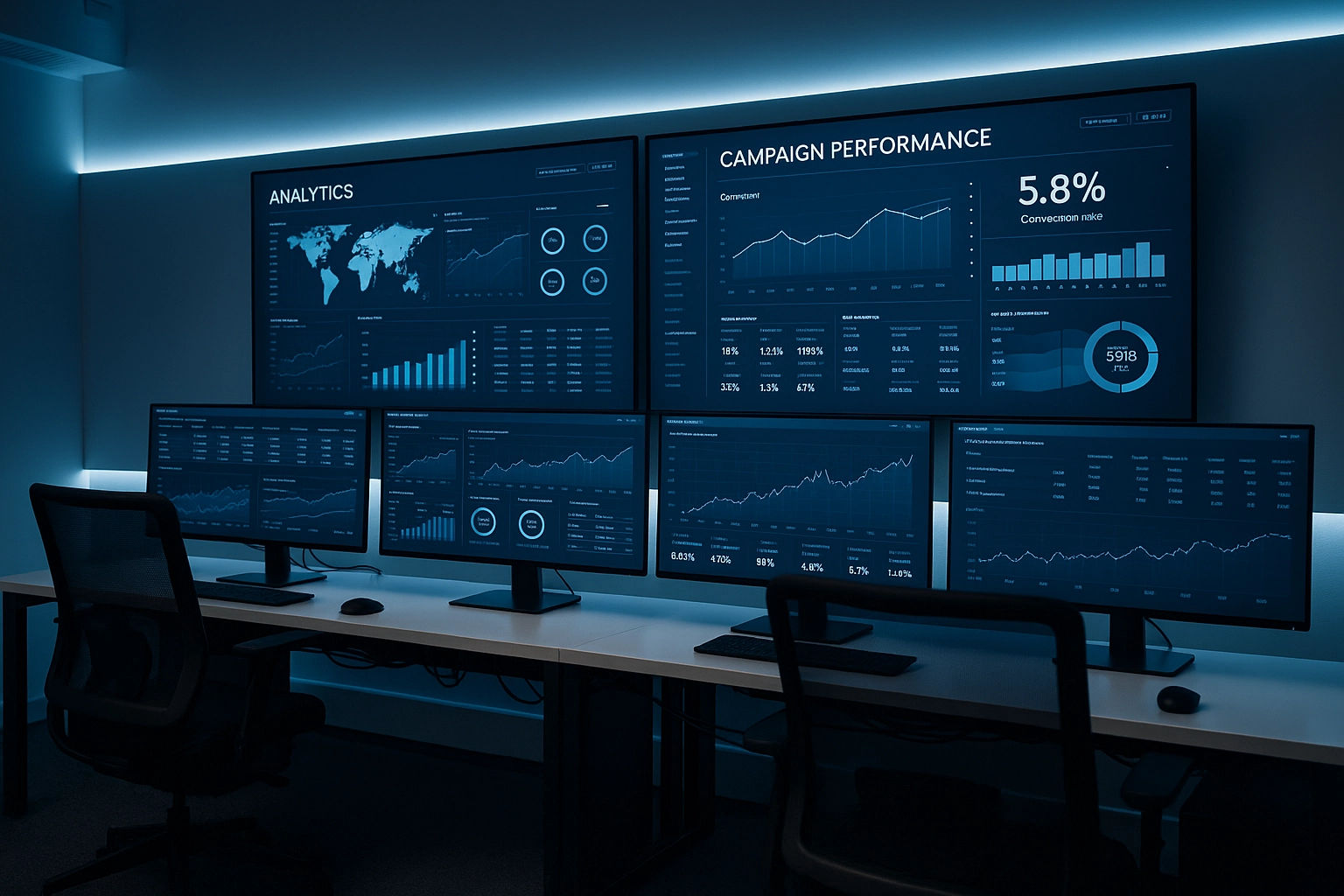
Create complementary messaging that builds upon itself across touchpoints. Your DOOH might introduce a product benefit, while your social media campaigns dive deeper into features, and your search campaigns capture purchase intent. This progressive messaging strategy guides prospects through your sales funnel while providing value at each interaction.
Leverage real-time updates and dynamic content to maintain relevance across all channels simultaneously. When inventory levels change, weather patterns shift, or trending topics emerge, update your messaging across DOOH and digital channels in coordination to maintain consistency and capitalize on immediate opportunities.
Step 5: Integrate Comprehensive Measurement Solutions
Establish robust measurement frameworks that reveal DOOH's impact within your broader marketing mix. Modern DOOH platforms offer sophisticated attribution capabilities that track both online and offline conversions, providing clear insight into how outdoor advertising influences customer behavior.
Implement online conversion attribution to identify effective DOOH placements through digital conversion paths. When website visitors convert after exposure to your DOOH campaigns, attribution models can help you understand which screens and creative variations drive the highest-quality traffic. This data informs both DOOH optimization and broader channel investment decisions.
Measure offline impact through foot traffic attribution and sales lift analysis. Location-based measurement solutions can track whether DOOH exposure correlates with increased visits to your physical locations or partner retailers. This offline attribution demonstrates DOOH's role in driving real-world business outcomes.
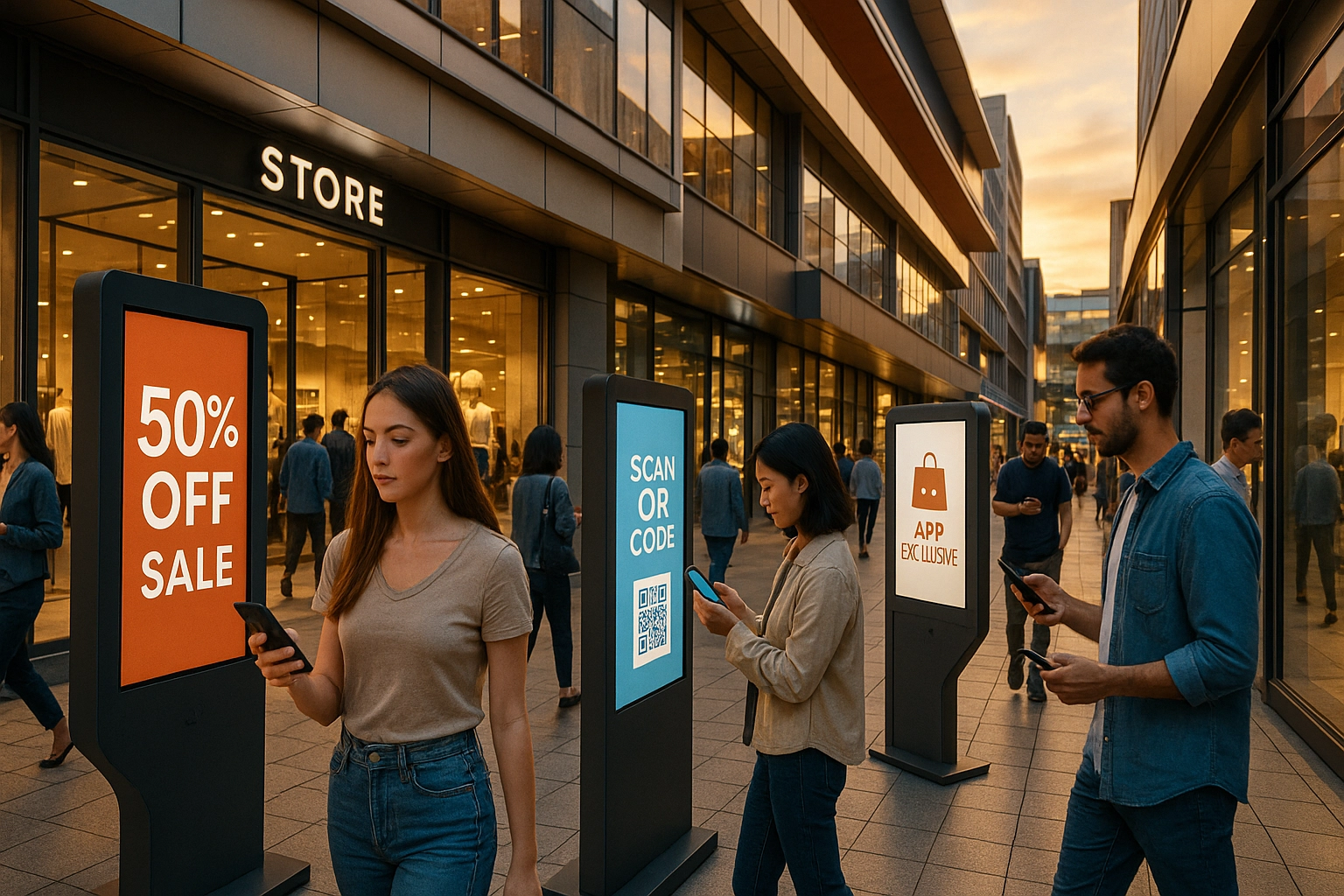
Develop unified reporting dashboards that present DOOH performance alongside your other channel metrics. Compare cost-per-acquisition, brand lift, and engagement rates across channels to understand how DOOH contributes to your overall marketing efficiency. This integrated view reveals optimization opportunities and guides future budget allocation decisions.
Conduct incremental lift studies to isolate DOOH's unique contribution to your campaign performance. By comparing results from markets with DOOH exposure against control markets without it, you can quantify the additive value that outdoor advertising brings to your omnichannel efforts.
Maximizing Programmatic Integration
Take advantage of omnichannel demand-side platforms that now incorporate DOOH alongside traditional digital channels. This programmatic integration allows you to manage DOOH campaigns within the same ecosystem as your display, video, and mobile efforts, enabling sophisticated cross-channel optimization and unified reporting.
Access real-time inventory and pricing information to make informed buying decisions that align with your broader programmatic strategies. Automated bidding algorithms can optimize DOOH purchases based on audience availability, competitive pressure, and campaign performance data, just as they do for your digital channels.
Leverage cross-channel data sharing to improve targeting accuracy and campaign performance across all touchpoints. Audience insights gathered from your digital campaigns can inform DOOH targeting strategies, while location data from DOOH can enhance your mobile and social media campaigns.
By following these five strategic steps, you transform DOOH from an isolated advertising channel into a powerful component of your omnichannel marketing ecosystem. The result is a cohesive brand experience that follows your audience throughout their daily lives, reinforcing your message across multiple touchpoints and driving measurable business results.
Your integrated approach ensures that every DOOH impression works in harmony with your digital efforts, creating compound effects that amplify your overall marketing impact while providing clear pathways to measure and optimize performance across all channels.

