
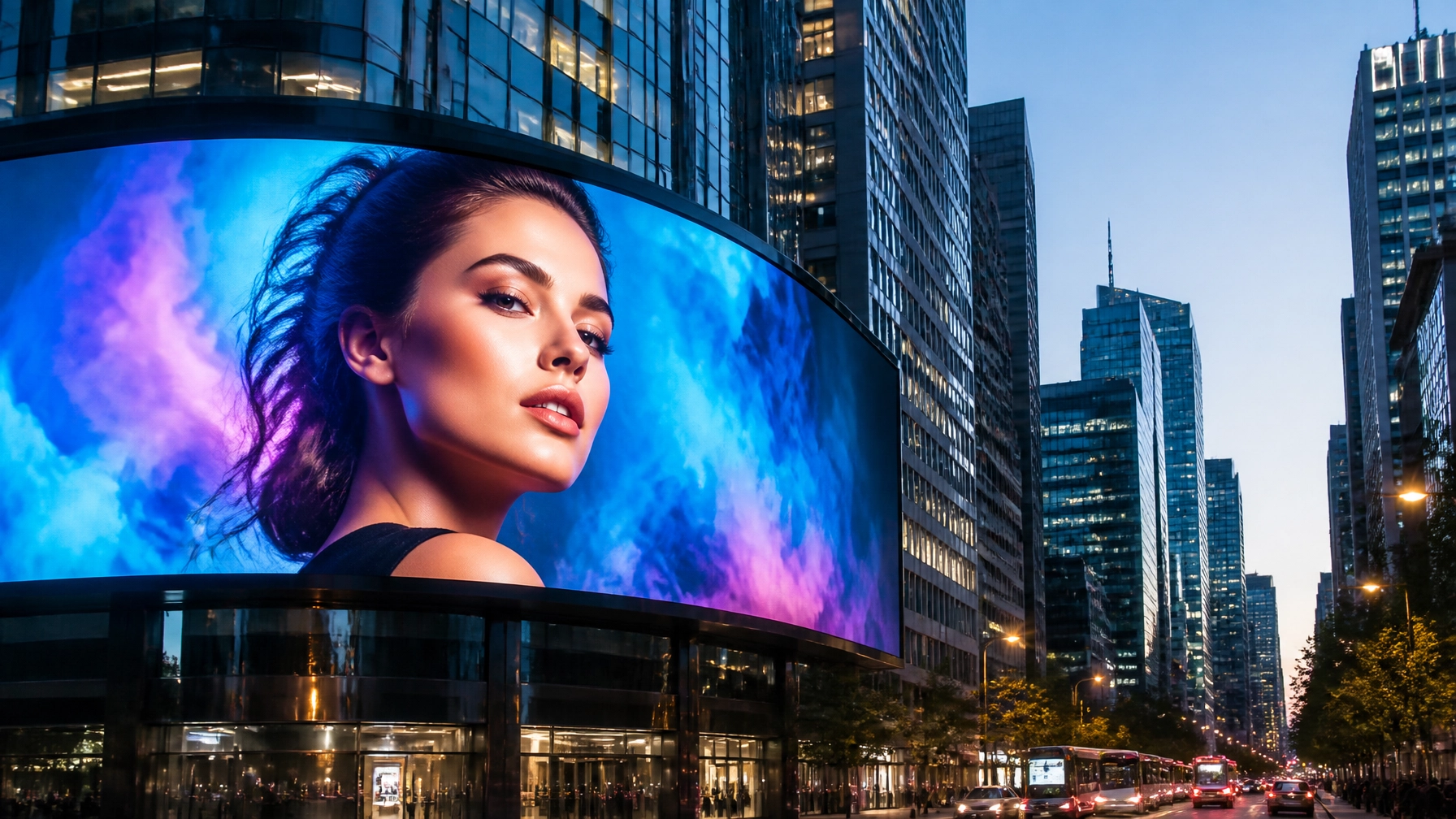
Hook your readers with a clear understanding of the modern advertising landscape. The choice between programmatic Digital Out-of-Home (pDOOH) and traditional direct buying is no longer a simple matter of preference; it is a strategic decision that directly dictates your bottom line. As a media buyer or brand manager, you must navigate a world where digital signage advertising is evolving at a breakneck pace. To achieve the highest possible return on investment (ROI), you need to know exactly when to leverage the precision of automation and when to lean into the prestige of a direct placement.
Maintain a logical flow as you evaluate your options. While the overall US spend on programmatic DOOH is surging: now representing a significant portion of all campaigns: direct buying remains a powerhouse for high-impact, long-term visibility. This guide will walk you through the nuances of each method, providing you with the actionable insights required to optimize your next campaign for maximum efficiency and scale.
The State of Digital Signage Advertising
In the current market, target marketing has moved from the desktop to the physical world. Digital Out-of-Home (DOOH) is the fastest-growing segment in the industry, outperforming static options and delivering nearly $6 in product sales for every dollar invested. The shift toward programmatic is driven by a demand for agility and data-driven results.
Programmatic DOOH allows you to buy impressions in real-time, much like you would with online display ads. This automation has transformed the medium from a rigid, "set-it-and-forget-it" channel into a dynamic, performance-oriented powerhouse. However, direct buying still holds a massive 59% share of the market for a reason. Understanding the tension between these two models is the first step toward mastering your media spend.
Direct Buying: The Prestige and the Promise
Direct buying involves negotiating insertion orders directly with media owners. It is a relationship-based model that prioritizes guaranteed inventory and specific, high-impact placements.
Why You Should Consider Direct Buying
- Guaranteed Visibility: You secure a specific "share of voice" on premium screens. If you want your brand displayed on a flagship billboard in a high-traffic city center, a direct buy ensures your creative is there, exactly when you want it.
- Creative Customization: Direct deals often allow for more complex creative integrations and sponsorships that might be difficult to execute through a standard programmatic auction.
- Fixed Costs: You lock in rates, which is ideal for long-term brand awareness campaigns where budget stability is paramount.
The Limitations
Direct buying can be rigid. If market conditions change or a campaign underperforms, adjusting your strategy mid-flight is often a slow, manual process involving renegotiations. This lack of flexibility can lead to wasted impressions if your audience isn't present or if the environment isn't conducive to your message.

Programmatic DOOH: The Power of Hyper-Targeted Precision
If your goal is hyper-targeted DOOH, programmatic is your primary engine. By using a Demand-Side Platform (DSP), you can access a vast network of screens: including grocery stores, restaurants, and transportation hubs: from a single interface.
The ROI of Agility
Programmatic DOOH shines because it eliminates waste. Instead of buying a screen for a week, you buy specific impressions based on triggers:
- Demographic Data: Reach specific age groups or income levels as they move through the city.
- Weather-Based Triggers: Use a platform like RAMM to trigger ads for umbrellas or delivery services only when it rains, ensuring your message is always relevant.
- Event Triggers: Activate campaigns around sports games or local festivals to capture the attention of high-intent crowds.
Because you can start, stop, and reallocate your budget instantly, your ROI increases. You aren't paying for empty streets or irrelevant audiences. You are paying for engagement.
Measuring Success: ROI Benchmarks
When comparing the two, you must look at your specific objectives. For brand-led, iconic visibility, direct buys can deliver prestige that programmatic struggles to match. However, for performance-oriented campaigns, programmatic is the clear winner.
Studies show that adding DOOH to a digital or TV campaign can boost ROI by up to 27%. When that DOOH is hyper-targeted, the impact is even greater. Programmatic platforms provide unified reporting, allowing you to see exactly where your ads ran and how they performed, making it much easier to justify your spend to stakeholders.

The RAMM Advantage: Flexibility at Every Mile
At RAMM, we understand that effective target marketing requires more than just automation: it requires local expertise and granular control. Our platform is designed to bridge the gap between broad programmatic reach and hyper-local precision.
Whether you are targeting big-box product buyers or niche consumers in medical offices and sports bars, RAMM offers a unique level of flexibility:
- Custom Radius Targeting: Choose any venue or business and set a flexible radius from 2.5 to 50 miles. This allows you to dominate a specific neighborhood or cover an entire metropolitan area.
- Any Venue, Any Sign: We provide access to digital signs in diverse locations, from the checkout line at the grocery store to the lobby of a transportation hub.
- Dynamic Scheduling: Run continuous campaigns or set custom daily schedules that align with your business hours or peak consumer times.
By integrating RAMM's hyper-local capabilities into your programmatic strategy, you ensure that your digital signage advertising isn't just seen: it's seen by the right people, at the right place, at the right time.
How to Choose Your Strategy
To decide which path is right for your campaign, ask yourself three questions:
- Is my message time-sensitive or context-dependent? If so, choose programmatic. The ability to use weather, traffic, or event triggers will significantly enhance your relevance and ROI.
- Am I targeting a specific, iconic location for brand prestige? If the location itself is the message, a direct buy is the way to go.
- Do I need to optimize mid-flight? If you need the ability to pivot based on performance data, programmatic is your only viable option.
Many successful brands now employ a hybrid strategy: they use direct buys for "anchor" placements in high-visibility areas and programmatic DOOH for scalable, hyper-targeted reach across the rest of the market.

Taking the Next Step
A well-crafted strategy is the foundation of a high-ROI campaign. By understanding the functional differences between programmatic and direct buying, you can allocate your budget with confidence, ensuring that every impression counts.
Embrace the power of hyper-targeted DOOH and let the data guide your decisions. Whether you are looking to drive store visits for a new product launch or build long-term brand equity, the tools are now at your fingertips.

A well-crafted conclusion should linger in your mind, inspiring you to explore further or apply what you’ve learned. We encourage engagement by inviting comments, questions, or sharing your own experiences with programmatic advertising. Visit our blog for more insights on how to master the world of digital out-of-home advertising.

