

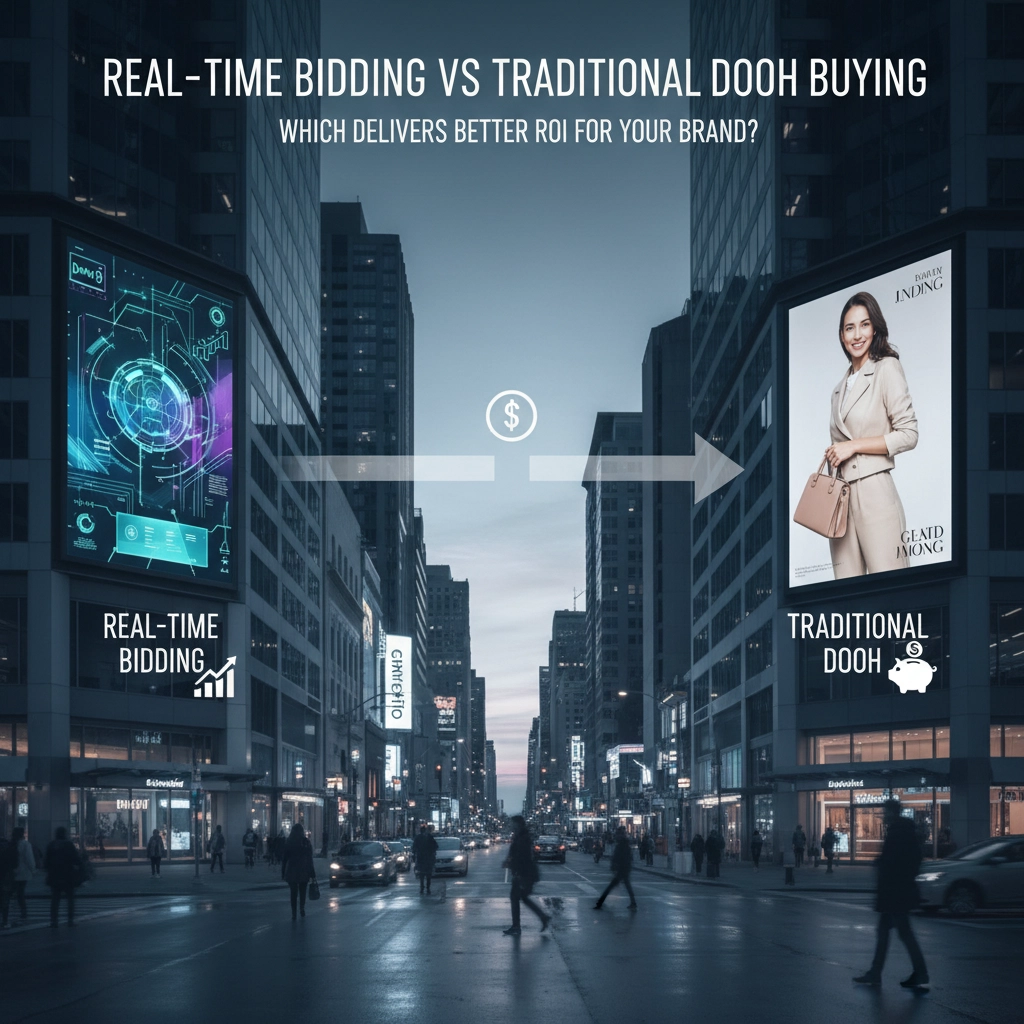
When you're deciding between real-time bidding (RTB) programmatic DOOH and traditional DOOH buying, you're essentially choosing between two fundamentally different approaches to outdoor advertising. Both can deliver solid ROI, but they excel in different scenarios and serve different campaign objectives.
The reality is straightforward: traditional buying guarantees premium placements and predictable reach, while RTB optimizes for cost-efficiency and real-time responsiveness. Your choice depends on whether you prioritize guaranteed visibility or flexible, data-driven optimization.
Understanding Real-Time Bidding for DOOH
Real-time bidding transforms how you purchase digital out-of-home advertising by automating the entire process through auction-based systems. Instead of negotiating directly with media owners, you set campaign parameters and let algorithms bid on available inventory in milliseconds.

The cost advantage is immediately apparent. RTB-based programmatic DOOH typically runs between $0.50 to $2 per thousand impressions (CPM), compared to approximately $10 per thousand impressions for direct traditional buys. This 5-10x cost difference means your budget stretches significantly further, allowing you to reach wider audiences across multiple locations.
But the real power lies in flexibility. Your campaigns adapt dynamically based on real-time conditions: weather changes, time of day, audience demographics, and performance metrics. Picture a coffee chain automatically switching from iced drink promotions to hot beverages when temperatures drop, or a restaurant delivery service showing different menu options based on location and meal times.
This responsiveness extends to campaign optimization. You can evaluate performance data and adjust targeting, creative, or budget allocation instantly rather than waiting for traditional reporting cycles. Your ads reach the right audience at the optimal moment, improving both engagement rates and conversion potential.
However, RTB comes with trade-offs. Your placements aren't guaranteed: ads appear based on algorithm availability and targeting parameters. You can't secure that specific high-profile Times Square billboard or guarantee your message displays during exact time slots. Success requires ongoing optimization and works best when flexibility matters more than owning premium locations.
The Traditional DOOH Buying Approach
Traditional DOOH buying operates through direct negotiations for specific panel placements over predetermined periods. You know exactly where your message appears, how frequently it displays, and the precise duration of your campaign.

This approach excels when you need guaranteed presence on premium, high-traffic locations. Think iconic digital billboards, major transportation hubs, or strategic locations that align perfectly with your brand positioning. The predictability proves valuable for campaigns requiring sustained brand presence or when you want to "own" specific high-profile screens.
Traditional buying also offers complete control over your campaign timing. You can align placements precisely with product launches, seasonal campaigns, or coordinated marketing efforts across multiple channels. The manual coordination ensures your outdoor advertising integrates seamlessly with your broader marketing strategy.
The limitations are equally clear. Traditional DOOH requires pre-booking ad space, limiting your ability to respond to market changes or performance data. The higher cost per impression means reduced reach for the same budget, and campaign adjustments require renegotiating contracts rather than real-time optimization.
Additionally, you miss opportunities for dynamic content optimization. Your creative remains static regardless of environmental conditions, audience insights, or performance metrics that could improve relevance and engagement.
Cost Analysis: Where Your Budget Goes Further
The financial comparison between these approaches is stark and immediate. With traditional DOOH's $10 CPM versus RTB's $0.50-$2 range, your advertising budget delivers dramatically different reach potential.
Consider a $50,000 monthly campaign budget. Through traditional buying, you'd secure approximately 5 million impressions. The same budget through programmatic RTB could deliver 25-100 million impressions, depending on targeting specificity and inventory availability.
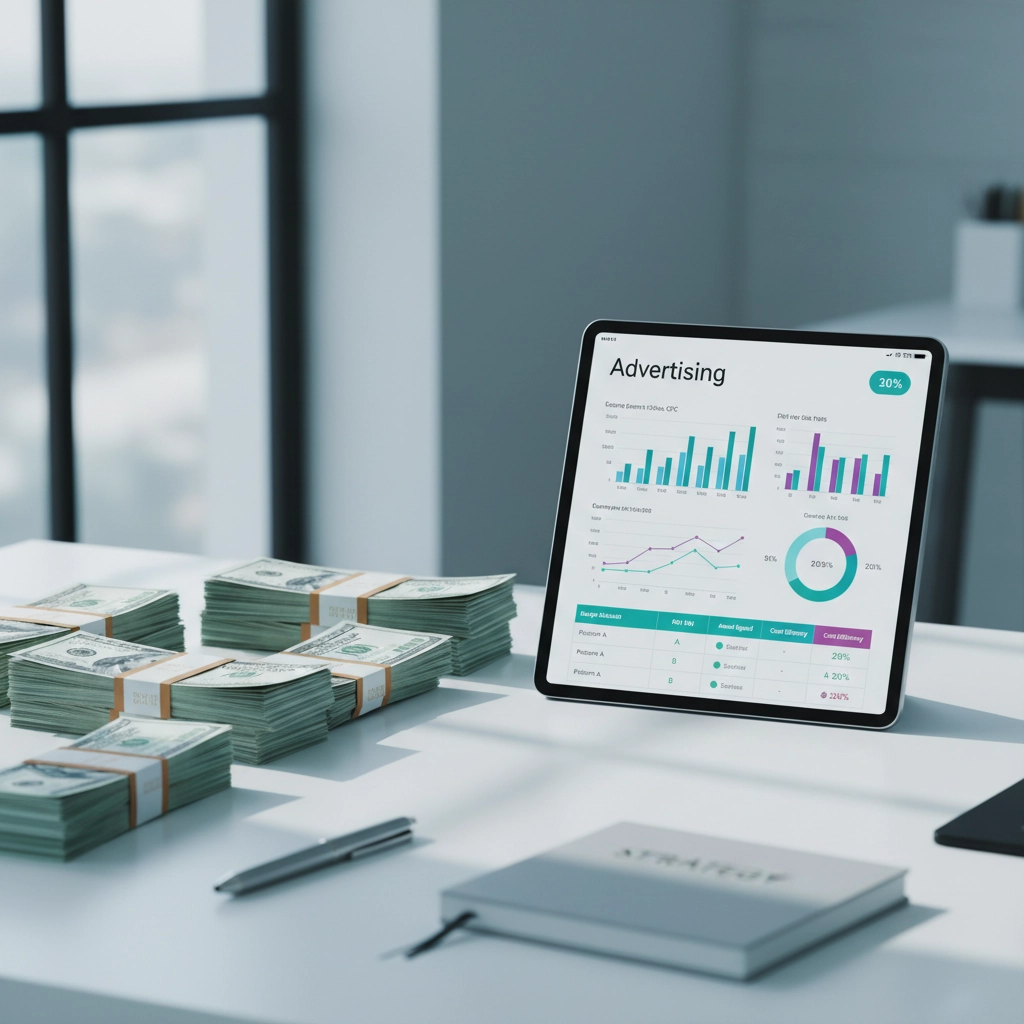
But raw impression volume doesn't tell the complete ROI story. Traditional buying often secures premium inventory: those high-visibility, high-traffic locations that command attention and deliver brand prestige. A single impression on a premium Times Square billboard may generate more brand impact than multiple impressions on smaller, less prominent screens.
RTB's cost advantage enables broader geographic reach and audience testing. You can experiment with different locations, audience segments, and creative variations to identify what drives the best performance, then scale successful combinations. This data-driven approach often leads to higher overall campaign efficiency and ROI optimization.
Targeting Capabilities and Audience Reach
Programmatic DOOH transforms audience targeting through data integration. You can target based on demographics, location patterns, weather conditions, time-based behaviors, and even cross-device audience matching. Your coffee shop ads appear during morning commutes, while dinner promotions display during evening rush hours.
The targeting sophistication extends to contextual relevance. Fitness brands can target gym districts during peak workout hours, while luxury retailers focus on affluent shopping areas during prime shopping times. This precision targeting typically improves engagement rates and conversion performance.
Traditional DOOH targeting relies primarily on location selection and timing. You choose screens based on foot traffic patterns, demographics of the surrounding area, and general timing preferences. While less sophisticated than programmatic targeting, this approach works effectively when location itself is the primary targeting criterion.
Performance Optimization and Campaign Flexibility
Real-time optimization represents programmatic DOOH's strongest advantage. You can monitor performance metrics continuously and adjust campaigns based on actual results rather than projected outcomes. Underperforming creative gets replaced immediately, successful campaigns receive increased budget allocation, and targeting parameters refine based on conversion data.

This responsiveness extends to inventory management. If certain locations underperform, your campaign automatically shifts spending to higher-performing screens. Weather-triggered campaigns activate when conditions align with your messaging, maximizing relevance and impact.
Traditional campaigns require manual optimization cycles. Performance analysis happens weekly or monthly, and implementing changes requires coordination with media owners. While this approach allows for strategic, considered adjustments, it lacks the immediacy needed for rapid market response or real-time performance enhancement.
Making the ROI Decision: When to Choose Each Approach
Choose programmatic RTB when cost-efficiency and scalability drive your campaign objectives. The lower CPM rates and broader reach make this approach ideal for performance-driven campaigns where measurable results matter more than premium placement prestige.
RTB excels for retail promotions, quick-service restaurants, time-sensitive offers, and any campaign benefiting from real-time responsiveness. If your success depends on reaching the right audience at optimal moments rather than guaranteed visibility on specific screens, programmatic delivers superior ROI.
Traditional buying makes sense when guaranteed presence on premium locations justifies higher costs. Brand awareness campaigns, luxury positioning, and situations where screen prestige impacts brand perception benefit from traditional buying's guaranteed placement model.

Consider a hybrid approach for maximum ROI impact. Use traditional buying for flagship locations that reinforce brand prestige while deploying programmatic DOOH for volume reach and performance optimization. This combination maximizes both brand awareness through guaranteed premium placements and campaign efficiency through data-driven programmatic channels.
The ROI Verdict
Both approaches deliver ROI, but through different mechanisms. Programmatic RTB typically generates higher overall ROI through cost-efficiency and optimization capabilities, while traditional buying delivers ROI through guaranteed premium visibility and brand prestige.
Your decision should align with specific campaign objectives rather than seeking a universal answer. For most performance-driven campaigns, programmatic DOOH's flexibility, cost advantages, and optimization capabilities produce superior ROI. For brand positioning and premium visibility requirements, traditional buying's guaranteed placements justify higher costs through strategic brand value.
The most successful brands increasingly use both approaches strategically: programmatic for efficient reach and performance, traditional for premium brand presence. This balanced approach maximizes advertising impact while optimizing budget efficiency across different campaign objectives.

