

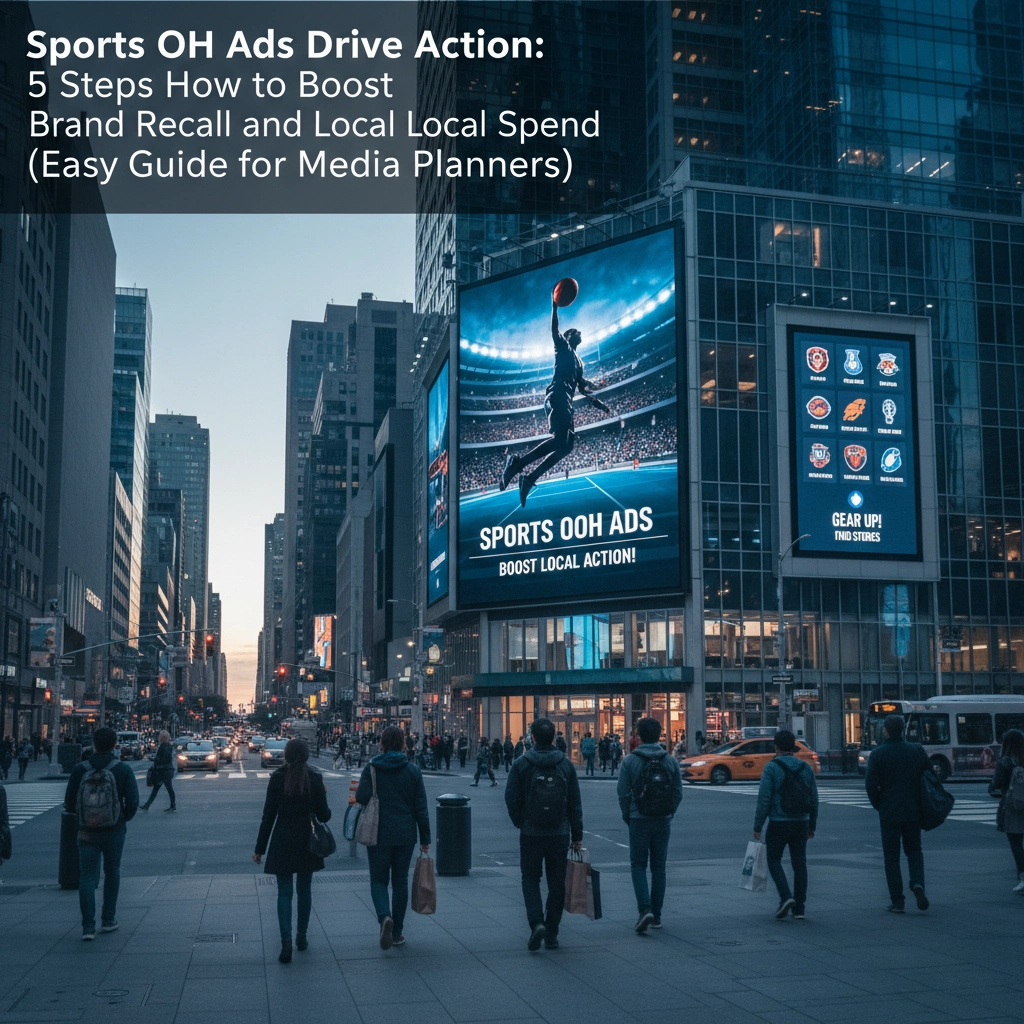
Sports out-of-home advertising delivers exceptional results when executed strategically. Recent data shows that 62% of Americans who saw sports betting OOH ads engaged in some way after exposure, with 61% driving both in-person and online purchases. For media planners looking to maximize brand recall and local spend, sports OOH represents one of the most effective channels available today.
The sports advertising landscape has exploded, with OOH spend surging 131% in Q1 2022 alone. This growth isn't coincidental: it reflects measurable ROI that smart media planners are capturing through strategic campaign execution. Here's your complete guide to harnessing sports OOH advertising power.
Step 1: Target High-Engagement Urban Audiences
Your first priority should be identifying and targeting urban markets where sports OOH advertising performs at peak levels. Over half (54%) of Urban 1M+ populations notice OOH ads for sports content compared to just 36% of the general population. This heightened awareness directly translates into action, making urban targeting your highest-value opportunity.
Focus your media spend on metropolitan areas with populations exceeding one million. These markets offer the density and engagement levels that drive meaningful results. Target high-traffic locations near sports venues, bars, and entertainment districts where your audience naturally congregates.
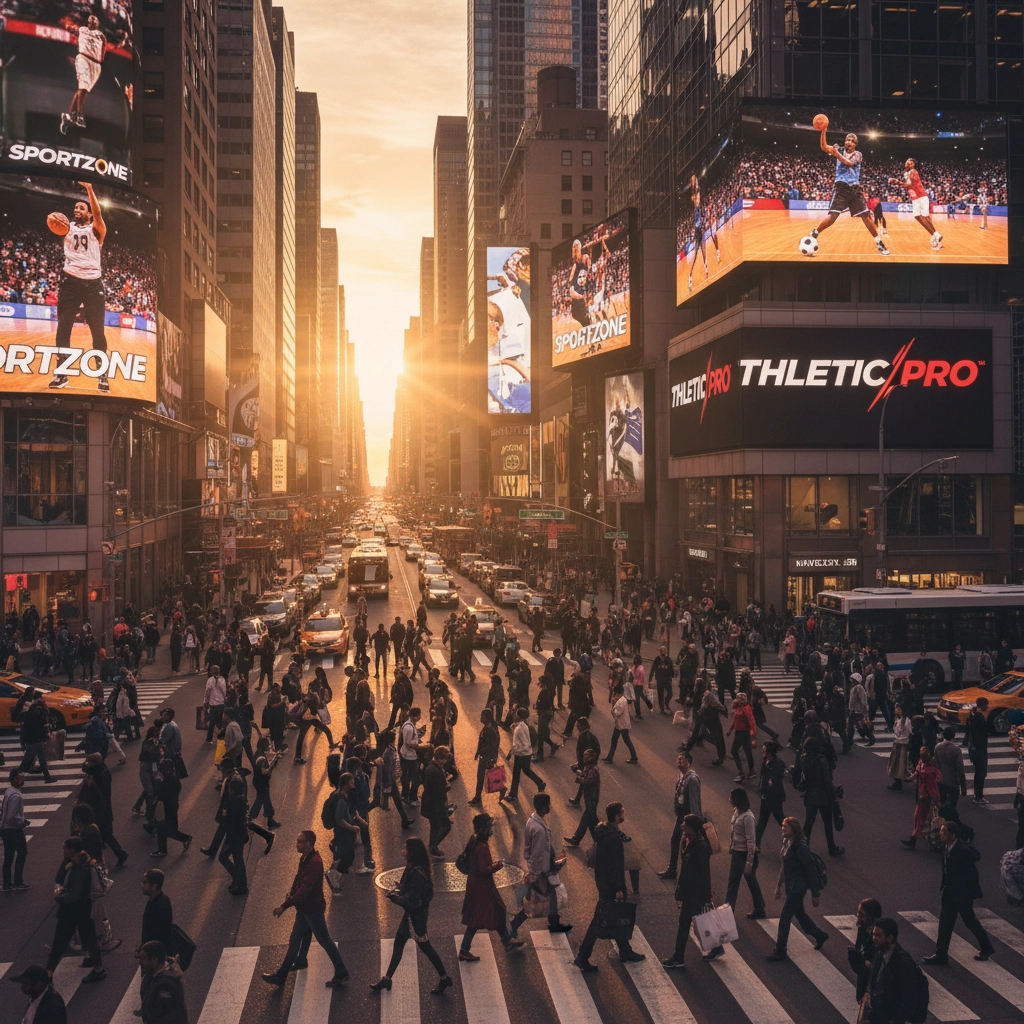
Leverage third-party data sources like Foursquare and Placer.ai to analyze where your target audience spends time. This data-driven approach ensures your placements align with actual consumer behavior patterns, not assumptions about where sports fans might be.
Key targeting strategies include:
- Prioritizing stadium corridors and transportation hubs on game days
- Placing ads along major commuter routes that sports fans use
- Focusing on entertainment districts with multiple bars and viewing venues
- Targeting gym and fitness center locations where sports enthusiasts frequent
Step 2: Master Strategic Event Timing
Timing your sports OOH campaigns around major events can dramatically amplify your investment returns. Companies invested over €313 million in OOH advertising during the European Football Championship, capitalizing on 2.7 million stadium visitors and an additional 7 million guests in fan zones.
Plan your campaigns to launch 2-4 weeks before major sporting events to build anticipation and establish brand presence. This pre-event period allows you to capture audience attention while competition is lower and costs remain reasonable.
During event periods, fan engagement peaks dramatically. Your OOH placements become part of the overall sports experience, creating emotional connections that drive both immediate and long-term brand recall. Post-event periods offer continued opportunities as sports enthusiasm remains elevated for weeks following major competitions.
Optimal timing windows:
- Pre-season training and draft periods for sustained engagement
- Championship playoffs and tournament brackets for maximum excitement
- Holiday sporting events when families gather and spending increases
- Local team milestone moments that create community pride
Step 3: Design for Immediate Impact and Recall
Sports audiences move quickly and consume content in seconds, making your creative design absolutely critical for driving immediate action. Use bold colors and high contrast, as ads with strong contrast improve recall by 38%. Your messaging must be readable in 3 seconds or less, with text under 7 words for maximum effectiveness.
Your brand name should occupy approximately 10% of your ad space for optimal recall. This proportion ensures brand recognition without overwhelming your core message. Incorporate urgency tactics and hyper-local messaging that resonates with specific geographic markets and team loyalties.

Include clear calls-to-action with QR codes for mobile interaction tracking. Modern consumers expect seamless digital integration, and QR codes provide measurable engagement data while driving immediate action. Use multisensory experiences when possible to enhance memorability and create lasting impressions.
Design best practices:
- Implement countdown timers for time-sensitive offers and events
- Use local team colors and imagery to create community connection
- Feature recognizable athletes or team personalities when budget allows
- Create contrast through complementary color schemes that stand out in urban environments
Step 4: Implement Multi-Channel Integration
The most successful sports OOH campaigns drive both digital and physical engagement simultaneously. Website visitation (47%) and word-of-mouth sharing (51%) are the top engagement behaviors following OOH ad exposure. This creates powerful opportunities for comprehensive attribution and sophisticated retargeting strategies.
Pair your OOH ads with mobile retargeting using platforms like AdQuick or Blis to capture users who pass your placements. This integration allows you to serve relevant digital ads to people who've been physically exposed to your OOH creative, creating multiple touchpoints that reinforce your message.
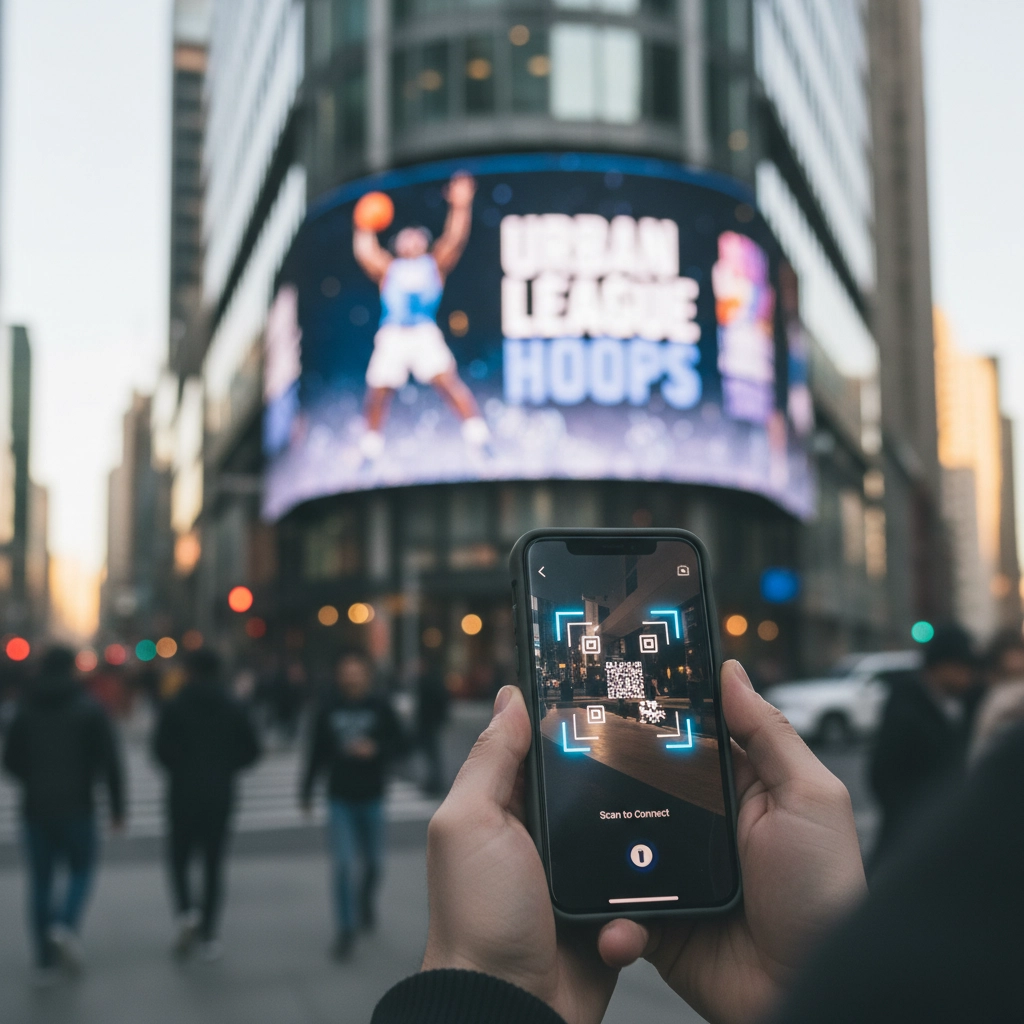
Create social sharing strategies that encourage user-generated content around your OOH placements. Sports fans naturally share their experiences, and well-designed campaigns can harness this behavior to amplify reach organically. Implement geofencing around your OOH placements to capture mobile users and trigger relevant digital experiences.
Integration tactics include:
- Consistent messaging across digital and physical touchpoints for brand coherence
- Social media campaigns that reference and build upon OOH creative elements
- Email marketing that reinforces OOH messages with detailed offers and information
- In-store experiences that mirror OOH creative for seamless customer journeys
Step 5: Measure Performance with Advanced Analytics
Modern OOH measurement extends far beyond basic impression estimates. Track QR code scans, mobile interactions, and location-based data to demonstrate real business impact. The sports category's 131% surge in OOH spending reflects measurable ROI that sophisticated tracking makes possible.
Implement foot traffic analysis using location-based tracking to measure actual store visits generated by your OOH placements. This data provides concrete proof of campaign effectiveness and helps optimize future placements for maximum impact.
Track engagement and conversion through:
- Promo code redemptions that tie directly to specific OOH locations
- Website visits with UTM parameters that identify OOH traffic sources
- Mobile app downloads triggered by QR code scans and NFC interactions
- Social sharing metrics that measure organic amplification of your message

Monitor social sharing metrics and user-generated content engagement to understand how your OOH creative resonates beyond initial exposure. Sports fans actively share content that excites them, and these organic interactions often provide more value than paid impressions.
Maximizing Local Spend Impact
Sports OOH advertising's unique strength lies in driving immediate local action. The 61% combined in-person and online purchase rate demonstrates how effectively these campaigns convert awareness into actual spending. Focus on experiential elements and community connection to create lasting emotional associations that drive repeat local engagement.
Leverage influencer partnerships and community events around your OOH placements to amplify local impact and create authentic connections with sports fans in your target markets. These partnerships add credibility and extend your campaign reach through trusted local voices.
Local optimization strategies:
- Partner with local sports radio personalities for cross-promotion opportunities
- Coordinate with local retailers for exclusive offers tied to your OOH campaign
- Create location-specific content that references local teams and rivalries
- Develop community event sponsorships that reinforce your OOH messaging
The data clearly demonstrates that sports OOH advertising drives measurable consumer action when executed strategically. Media planners who implement these five steps can expect significant improvements in both brand recall and local spend metrics. Your campaigns become part of the sports experience itself, creating emotional connections that translate into lasting business value.
Start implementing these strategies with your next sports OOH campaign, and prepare to see the difference that strategic execution makes in your performance metrics.

