
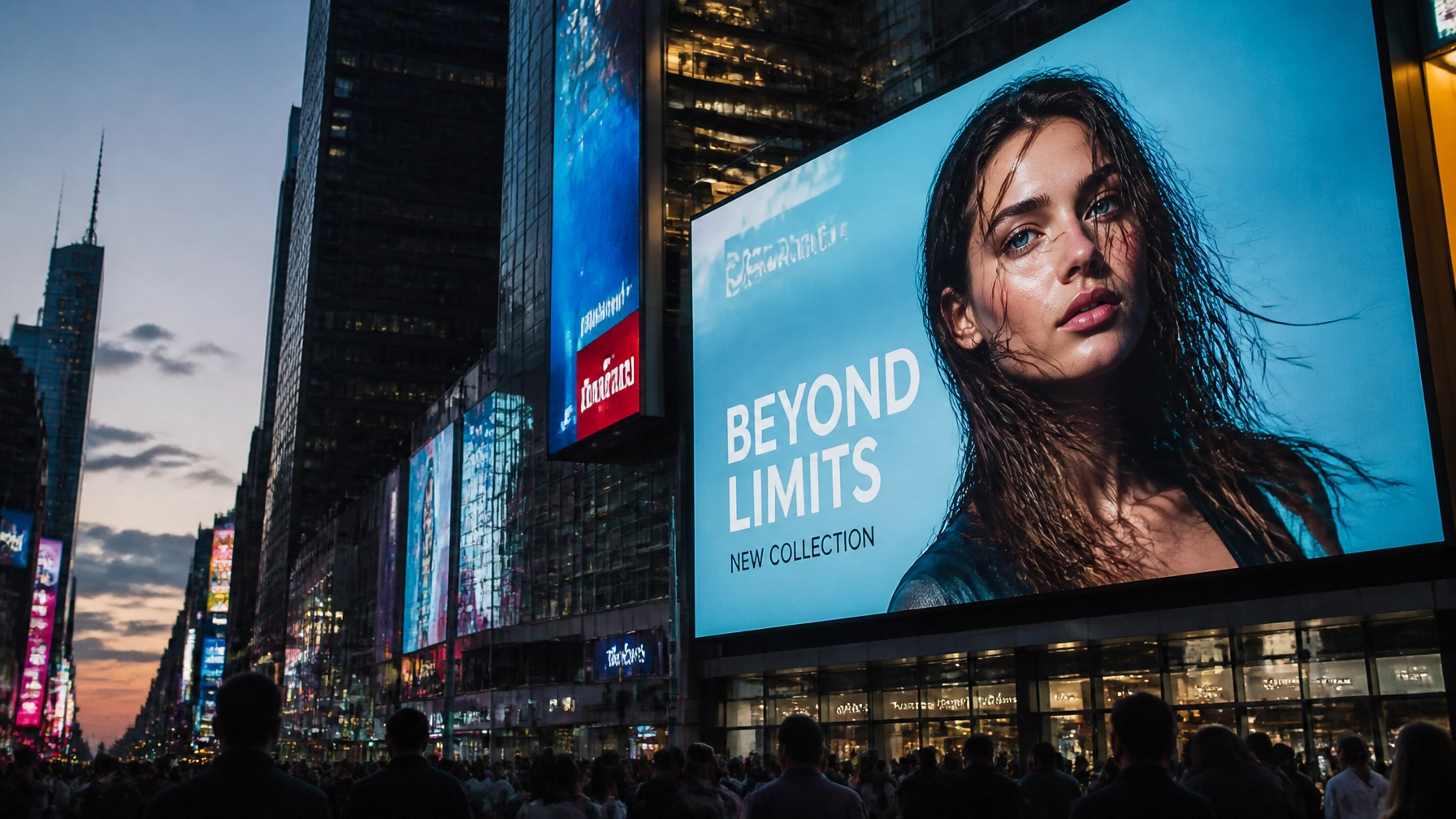
Stop settling for broad, wasteful impressions. In an era where digital advertising is defined by precision, your out-of-home (OOH) strategy must evolve or risk becoming background noise. The days of buying a city-wide billboard loop and hoping for the best are over. Today, the most successful media buyers leverage hyper-targeted Digital Out of Home (DOOH) to place their brands exactly where their customers live, work, and play.
Mastering radius targeting isn't just about drawing circles on a map; it’s about understanding human movement and intent. When you combine the physical world with the agility of digital triggers, you unlock a level of relevance that traditional media simply cannot match. Whether you are managing campaigns for global giants like Johnson & Johnson or scaling a niche craft brand, these five steps will guide you through the process of dominating your local and global markets with surgical precision.
Step 1: Define Your Venue and Set Your Radius
The foundation of any hyper-targeted campaign is the location. You must look beyond simple zip codes and focus on specific venues that align with your audience’s mindset. Are your customers grabbing a coffee, waiting for a train, or shopping for groceries?
Hook your readers by being specific. If you are targeting busy professionals, focus on transit hubs and office buildings. If you are launching a new consumer packaged good (CPG), grocery stores and retail centers are your primary battlegrounds. Once you have identified the right venue type, you must determine the appropriate radius.
Master the Radius Scale:
- Hyper-Local (2.5 – 5 miles): Ideal for conquesting competitors or driving immediate foot traffic to a nearby storefront.
- Community Core (5 – 15 miles): Best for local market awareness and service-based businesses like medical offices or fitness centers.
- Regional Reach (15 – 50 miles): Perfect for larger events, destination retail, or broad brand awareness across a metropolitan area.
By using a flexible radius, you ensure that every dollar of your budget is spent within the actual trade area of your target location. This prevents "spillover" waste where your ad is shown to people who are too far away to take action.

Step 2: Implement Dynamic Contextual Triggers
Static ads are forgettable. To truly engage an audience, your creative must respond to the world around it. One of the most powerful features of modern DOOH is the ability to use weather and event triggers to swap your messaging in real-time.
Maintain a logical flow between your location and the environment. If you are running a campaign in New York and a sudden rainstorm hits, your ad for a refreshing iced beverage should instantly flip to an ad for a warm latte or a sturdy umbrella. This level of responsiveness makes your brand feel present and helpful rather than intrusive.
Leverage these triggers for maximum impact:
- Weather Adjustments: Cancel ads for outdoor events during rain or highlight sun-protection products during heatwaves.
- Special Event Triggers: Sync your ads with local sports games, concerts, or festivals within your chosen radius to capture the high-energy crowd.
- Time-of-Day Scheduling: Target commuters in the morning with energy-focused messaging and shift to entertainment or dining options as the sun sets.
When your ad reflects the current reality of the viewer, the emotional connection to your brand strengthens instantly.

Step 3: Curate the Venue Mix for High Intent
Not all screens are created equal. To master radius targeting, you must select the right "dwell time" and "intent" for your specific campaign. A digital sign in a sports bar has a completely different audience mindset than one in a medical office or a grocery store.
You should stop wasting budget on broad digital ads and instead focus on where the "category mindset" is strongest. If you are a health brand, appearing in pharmacies and medical centers isn't just convenient: it's authoritative.
Diverse Venue Types to Consider:
- Grocery Stores: Prime for CPG brands looking to capture shoppers at the point of purchase.
- Restaurants & Sports Bars: Perfect for beverage, entertainment, and lifestyle brands where groups are gathered and attentive.
- Transportation Hubs: High-frequency areas for reaching commuters and tourists in major cities like Los Angeles or Munich.
- Medical Offices: A high-dwell environment where informative and trust-based messaging performs exceptionally well.
By layering these specific venues within your 2.5 to 50-mile radius, you create a web of touchpoints that follow your customer throughout their daily routine.

Step 4: Scale Globally with Local Precision
For media buyers at large agencies, the challenge is often maintaining local relevance while scaling across multiple markets. You need a partner that offers a global footprint without sacrificing the granularity of local targeting.
Whether you are launching in New York, Paris, Hong Kong, LA, Munich, or Italy, the principles of radius targeting remain the same. However, the cultural context of the venue changes. A high-end retail placement in Paris requires a different aesthetic than a transit-hub placement in Hong Kong.
A well-crafted global strategy allows you to manage these diverse markets from a single dashboard. You can set a 10-mile radius around luxury boutiques in Milan and simultaneously run a 5-mile conquesting campaign around competitor locations in New York. This global-to-local approach ensures brand consistency while respecting the unique dynamics of each city's streetscape.

Step 5: Optimize with Flexible Scheduling and Real-Time Data
The final step in mastering hyper-targeted DOOH is moving away from rigid, long-term contracts. The modern media buyer demands flexibility. You should have the power to start, stop, or adjust your campaign based on real-time performance and changing business needs.
Unlocking hyper-local data allows you to see which radii and which venues are driving the most engagement. If a 5-mile radius around a specific sports bar in Chicago is over-performing, you should be able to shift budget there instantly.
Strategies for Optimization:
- Daily Custom Campaigns: Don't get locked into monthly buys. Run high-impact, short-term campaigns for product launches or holiday sales.
- Flexible Scheduling: Adjust your "Share of Voice" (SOV) during peak hours to ensure you dominate the screen when it matters most.
- Iterative Refining: Use the data from your initial 2.5-mile radius to decide if you need to expand to 10 miles or if you should tighten your focus even further.
A methodical and organized approach to data will transform your DOOH from a "brand awareness" play into a measurable performance engine.
Conclusion: Lead the Future of DOOH
Mastering radius targeting is the key to creating an immersive reading experience for your audience through visual storytelling in the physical world. By following these five steps: defining your radius, leveraging dynamic triggers, curating your venue mix, scaling globally, and maintaining flexibility: you position your brand as a leader in the next generation of advertising.
The most successful campaigns are those that feel personal, timely, and relevant. As a media buyer, you have the tools to make that happen. Start small with a hyper-local test or go big with a multi-city global rollout; the choice is yours, but the methodology remains the same.
We encourage you to explore these features and see how they can revolutionize your next campaign. If you're ready to take your DOOH strategy to the next level with a network that spans from Paris to LA, it’s time to rethink what’s possible.
Ready to dominate the local streetscape?
Visit RAMM Worldwide to explore our global network and start building your hyper-targeted campaign today. Reach out to our team to see how our 2.5 to 50-mile radius targeting can transform your brand's reach.

