
Your advertising budget is bleeding money on audiences who'll never walk through your doors. While you're paying premium rates to show pizza ads to vegans in Vermont, your actual customers are driving past your competitor's targeted digital signage three blocks away.
Local advertising isn't just about geography: it's about precision. The difference between broad digital campaigns and hyper-targeted DOOH can make or break your marketing ROI. Here are seven proven hacks that smart businesses use to stop wasting money and start converting local traffic into real customers.
Hack #1: Master the 2.5-Mile Sweet Spot for Venue Targeting
Most businesses think local means citywide. Wrong. The magic happens within 2.5 miles of your location: that's the distance most people will travel for everyday purchases.
Radius targeting for digital signage advertising works because you're hitting people during their normal routines. Someone seeing your restaurant ad at the grocery store checkout is already thinking about dinner. They're not browsing social media mindlessly: they're in purchase mode.
Set your flexible campaigns to target digital signs at grocery stores, gas stations, and medical offices within this tight radius. These venues capture people during decision-making moments, not entertainment breaks.

Hack #2: Stack High-Traffic Venues for Maximum Impact
Don't put all your eggs in one digital basket. The smartest venue targeting strategies hit multiple location types simultaneously:
- Grocery stores: Capture families planning meals
- Transportation hubs: Reach commuters with disposable income
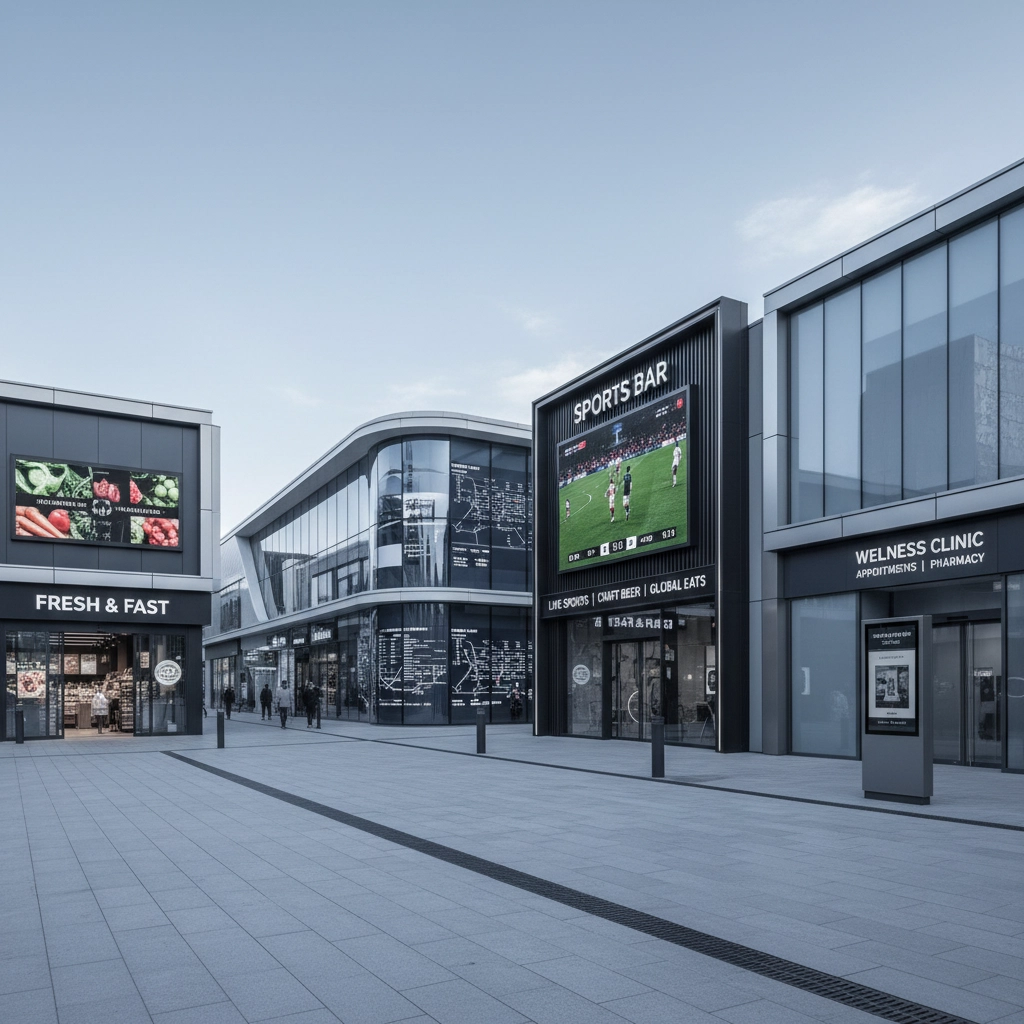
- Sports bars: Hit your demographic during peak social hours
- Medical offices: Target people with time to think about your service
This multi-venue approach creates frequency without redundancy. Your message reinforces itself across different contexts throughout someone's week.
Hack #3: Use Weather Triggers to Eliminate Dead Impressions
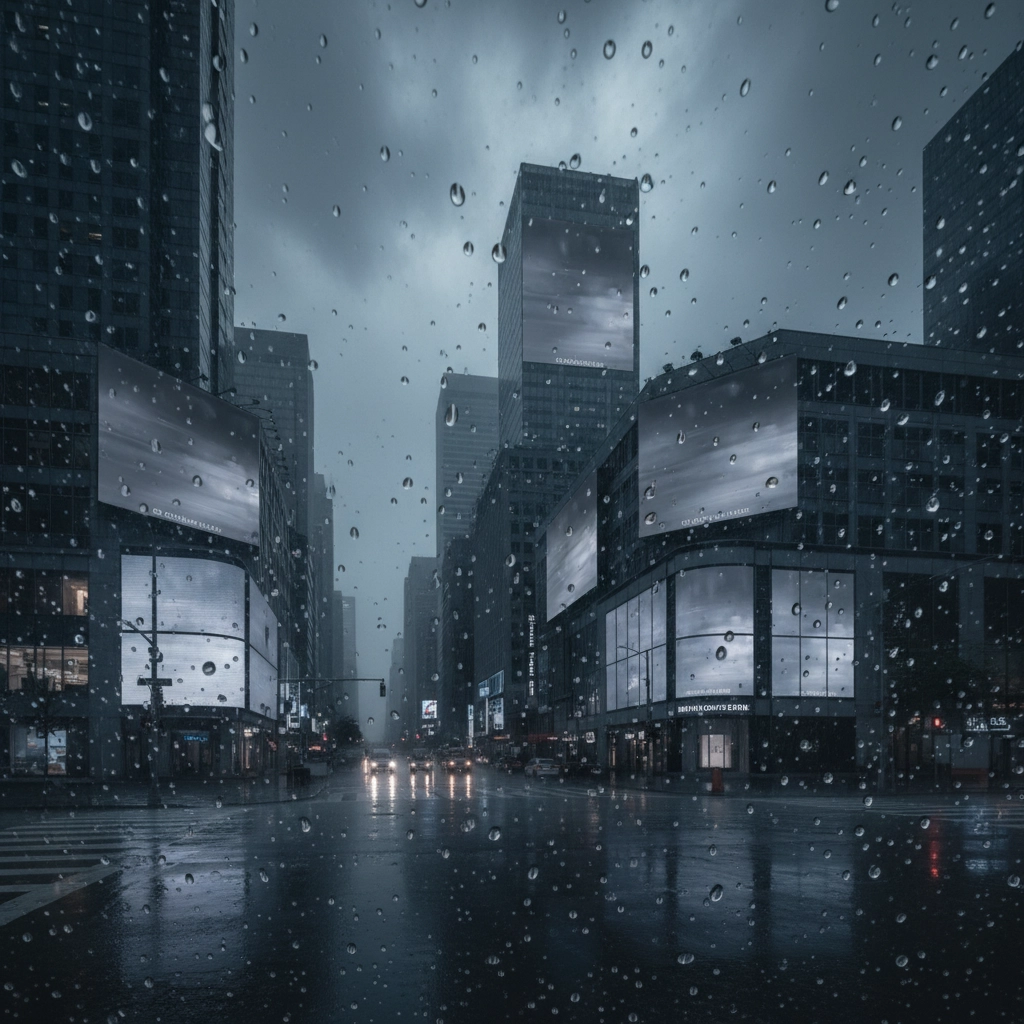
Here's where most advertisers lose money: they pay for ads that run during terrible conditions. Rain kills foot traffic to outdoor restaurants. Snow destroys retail shopping trips. Heat waves empty coffee shops.
Weather-based adjustments automatically pause your campaigns when conditions make purchasing unlikely. If it's pouring rain, your outdoor dining ads stop running: saving you money and preserving campaign frequency for better days.
Set triggers for:
- Temperature extremes (pause ice cream ads below 40°F)
- Precipitation (pause car wash promotions during storms)
- Wind advisories (pause outdoor event promotions)
- Air quality alerts (pause fitness center ads during high pollution days)
This isn't just smart: it's profitable. Why pay for impressions when weather guarantees low conversion?
Hack #4: Target Event-Based Opportunity Windows
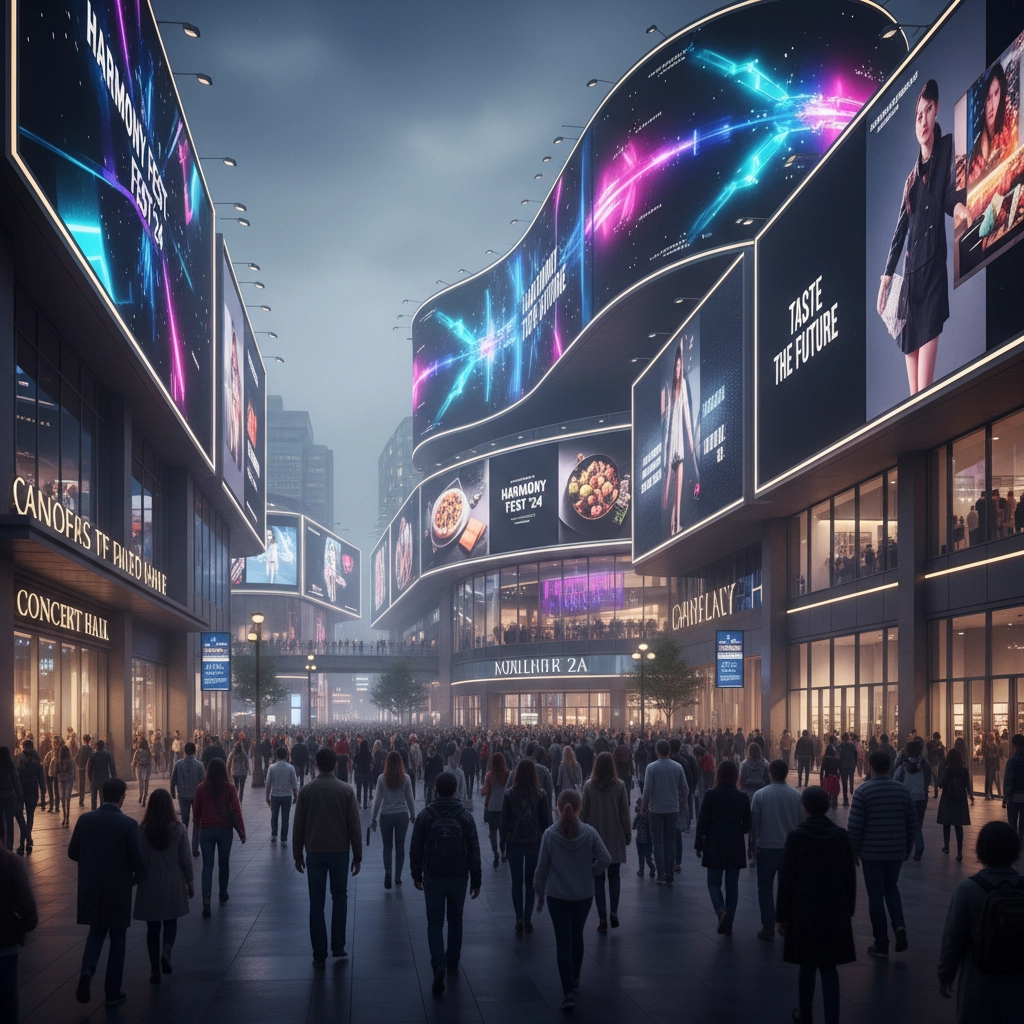
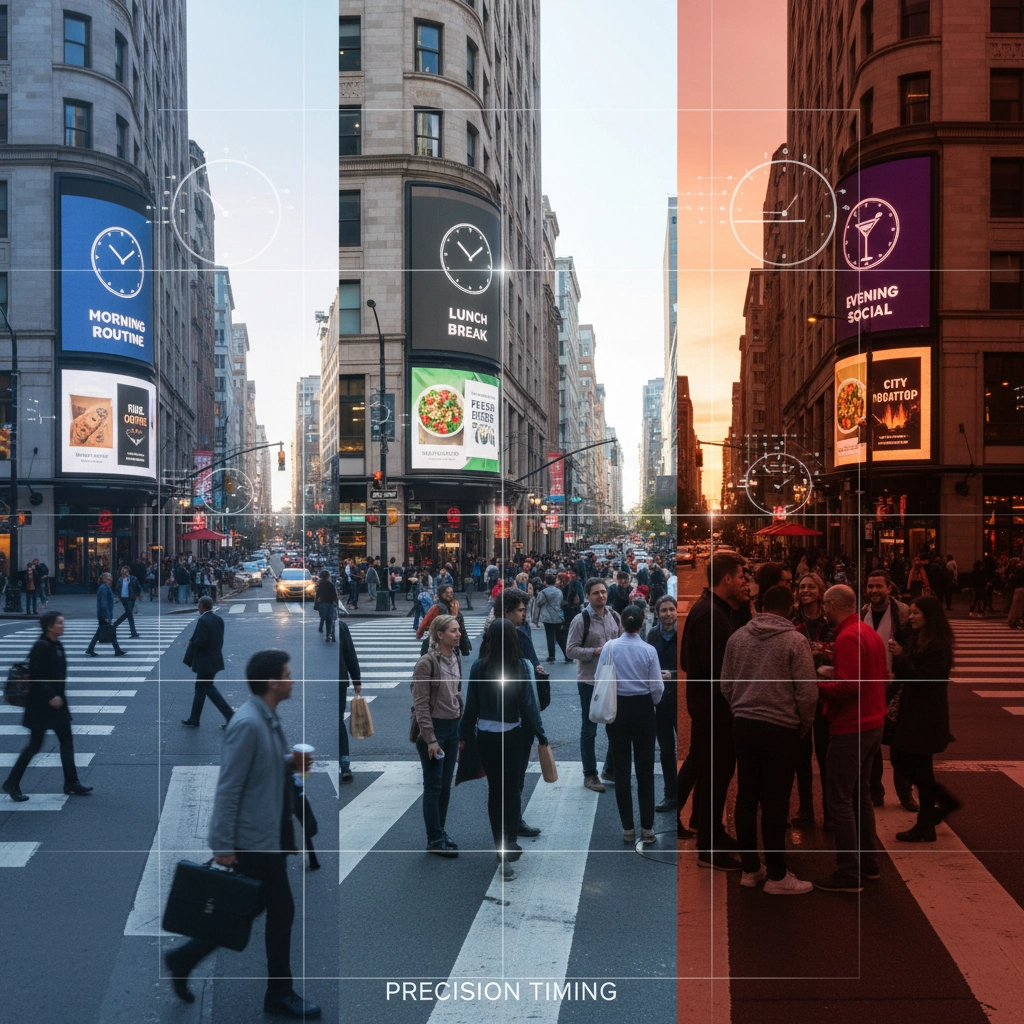
Special event triggers unlock timing opportunities that broad campaigns miss completely. Concert venues, sports stadiums, and festival grounds create predictable surges in local traffic: but only if you time it right.
Program your digital signage advertising to activate automatically before, during, and after major events:
- Restaurant ads fire up 2 hours before concert start times
- Coffee shop campaigns activate during morning commuter rushes
- Retail promotions trigger during lunch breaks in business districts
The key is anticipation. Your ads should appear when people are planning their next move, not after they've already decided.
Hack #5: Implement Day-by-Day Precision Scheduling
Continuous campaigns waste money on low-traffic periods. Day-by-day scheduling puts your budget where your customers actually are.
Tuesday lunch crowds differ from Friday evening crowds. Your messaging should reflect these behavioral patterns:
- Monday-Wednesday: Professional service ads at business districts
- Thursday-Friday: Entertainment and dining at transportation hubs
- Weekend mornings: Family-oriented ads at grocery stores
- Weekend evenings: Social venue targeting at sports bars
This granular approach can double your conversion rates while cutting costs by 30-40%. You're not just reaching more people: you're reaching the right people at the right moments.
Hack #6: Create Flexible Campaign Boundaries That Adapt
Static radius targeting misses opportunities. Your customers don't live in perfect circles around your business. They follow highways, public transport routes, and shopping patterns.
Adjust your targeting radius based on:
- Peak hours: Expand to 10-15 miles during commuter times
- Lunch periods: Contract to 2-3 miles for quick-serve restaurants
- Weekend shopping: Extend to 25-50 miles for specialty retailers
- Seasonal patterns: Wider reach during tourist seasons
This adaptive approach captures more qualified traffic while maintaining cost efficiency. You're working with real human behavior, not theoretical geographic boundaries.
Hack #7: Layer Multiple Trigger Conditions for Surgical Precision
The most effective hyper-targeted DOOH campaigns combine multiple triggers simultaneously. Instead of simple location-based targeting, stack conditions for maximum precision:
Example combinations:
- Weather + Time + Venue: Promote hot coffee only during cold mornings at transportation hubs
- Event + Demographics + Distance: Target sports bar ads to males 25-45 within 5 miles during game days
- Season + Income + Behavior: Promote tax services to high-income areas during January-April
This approach eliminates almost all wasted impressions. Every ad serves someone likely to convert under current conditions.
Real-World ROI: The Numbers Don't Lie
Businesses using targeted digital signage within flexible radius parameters see:
- 40-60% reduction in cost per acquisition
- 3-5x higher conversion rates than broad digital campaigns
- 25-35% improvement in customer lifetime value
- 70-80% decrease in wasted ad spend
The reason is simple: local advertising reaches people when they're ready to act, not when algorithms think they might be interested.
Making the Switch: From Broad to Precise
Traditional digital advertising treats everyone as a potential customer. Venue targeting recognizes that timing and location create customer intent. Someone seeing your ad at a medical office has different needs than someone scrolling social media at home.
Start by identifying your actual customer travel patterns. Where do they shop? When do they commute? What venues do they frequent? Build your flexible campaigns around these real behaviors, not marketing assumptions.
The Future is Hyper-Local
Target marketing isn't about reaching more people: it's about reaching the right people at the moment they're most likely to act. Digital signage advertising at carefully selected venues creates opportunities that broad campaigns simply cannot match.
Your competitors are still paying premium rates for statewide impressions. While they're spreading their message thin across irrelevant audiences, you can dominate your actual market with surgical precision and lower costs.
The choice is clear: keep hemorrhaging budget on broad campaigns, or invest in hyper-targeted DOOH that actually converts. Your local customers are waiting: you just need to reach them where they already are.
Ready to stop wasting budget on broad digital ads? RAMM's flexible campaign platform lets you target any venue within your ideal radius, with weather triggers, event automation, and day-by-day precision. Contact us at info@rammww.com or call +1 970-591-4238 to see how targeted local advertising can transform your ROI.
Visit rammww.com to get started with precision venue targeting that actually works.
Follow us on LinkedIn, Facebook, Instagram, and X for more local advertising strategies that drive real results.
#LocalAdvertising #VenueTargeting #DOOH #TargetMarketing #DigitalSignage #PrecisionMarketing #ROI

