
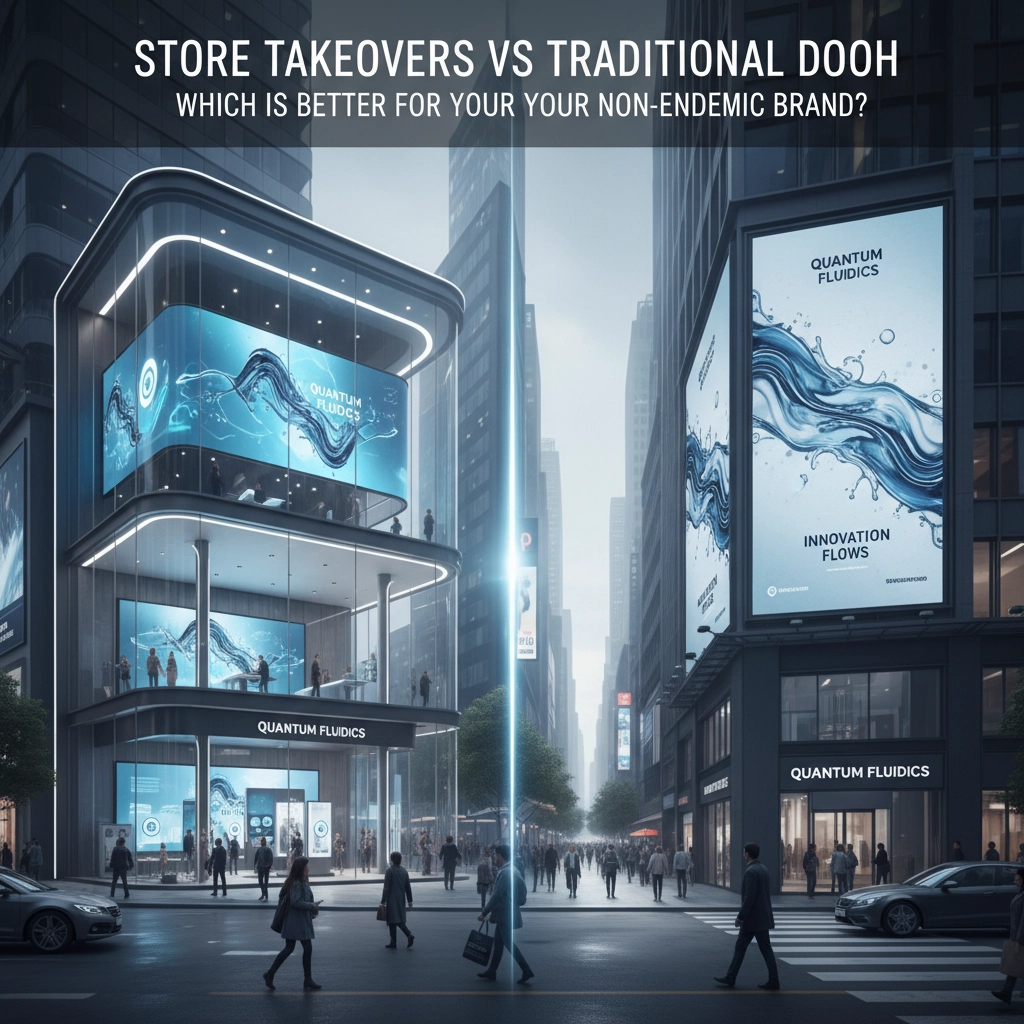
You're facing a critical decision that could make or break your next advertising campaign. As a non-endemic brand: meaning your products aren't sold in the stores where you're advertising: you need to choose between store takeovers and traditional digital out-of-home (DOOH) advertising. Both approaches promise impressive results, but which one will actually deliver for your specific goals?
The stakes are higher than you might think. With the DOOH market projected to surpass $58 billion by 2030, securing the right strategy now will determine whether you capture premium inventory or get left scrambling for scraps as competition intensifies.
Understanding Your Options: Store Takeovers vs Traditional DOOH
Before diving into the comparison, let's clarify what we're actually comparing. Store takeovers represent a powerful form of in-store digital advertising where your brand essentially "takes over" retail environments through strategic screen placements, creating immersive experiences that capture shoppers during high-intent moments.
Traditional DOOH, on the other hand, encompasses the broader landscape of digital billboards, transit displays, and place-based screens that reach consumers in public spaces throughout their daily routines.
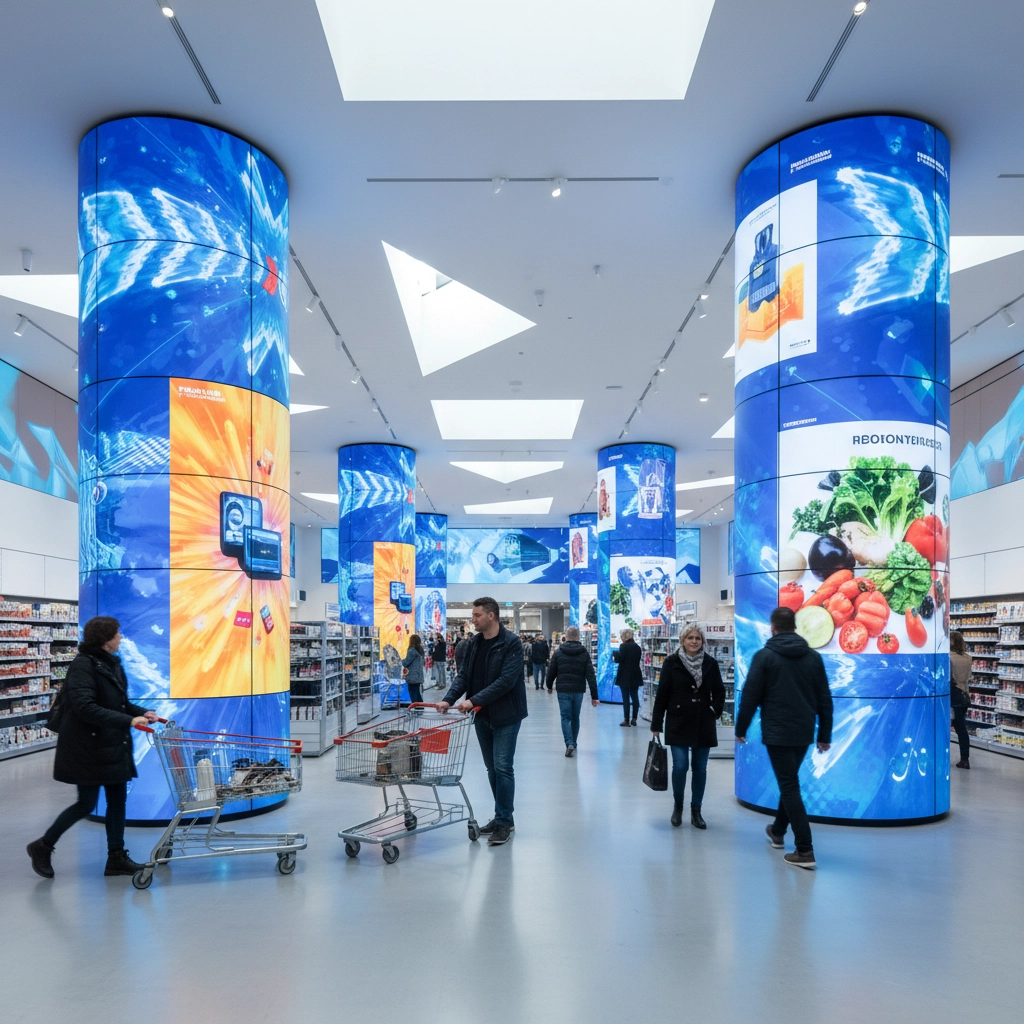
The Store Takeover Advantage: Capturing High-Intent Shoppers
When you deploy store takeover campaigns, you're accessing something remarkable: audiences that are 70% larger than their digital counterparts. But size isn't everything: it's the quality of this audience that should make you pay attention.
Consider this compelling statistic: 98% of grocery shoppers are also the primary decision makers for other purchases in their households, including finance, insurance, and telecom services. You're not just reaching people who buy groceries; you're reaching the household decision makers for virtually every major purchase category.
Contextual Relevance Drives Results
Your store takeover campaigns gain power through contextual relevance. When your insurance ad appears while someone's comparing prices in the cereal aisle, or your streaming service promotion shows up near the checkout, you're leveraging the shopping environment itself to boost engagement. This contextual approach can deliver a 17% engagement boost compared to generic placements.
The measurement capabilities here are superior to most traditional advertising formats. You get real-time campaign measurement and full-funnel tracking from initial brand exposure all the way through to foot traffic and sales conversion. This level of measurement granularity lets you optimize campaigns based on actual shopping behavior, not just impressions or clicks.
Advanced Targeting Through Purchase Behavior
Store takeovers excel in programmatic targeting because they can leverage both behavioral patterns and first/third-party data integration. You're targeting based on where people actually shop, what they buy, and when they buy it. This behavioral data creates targeting precision that's difficult to replicate in other channels.
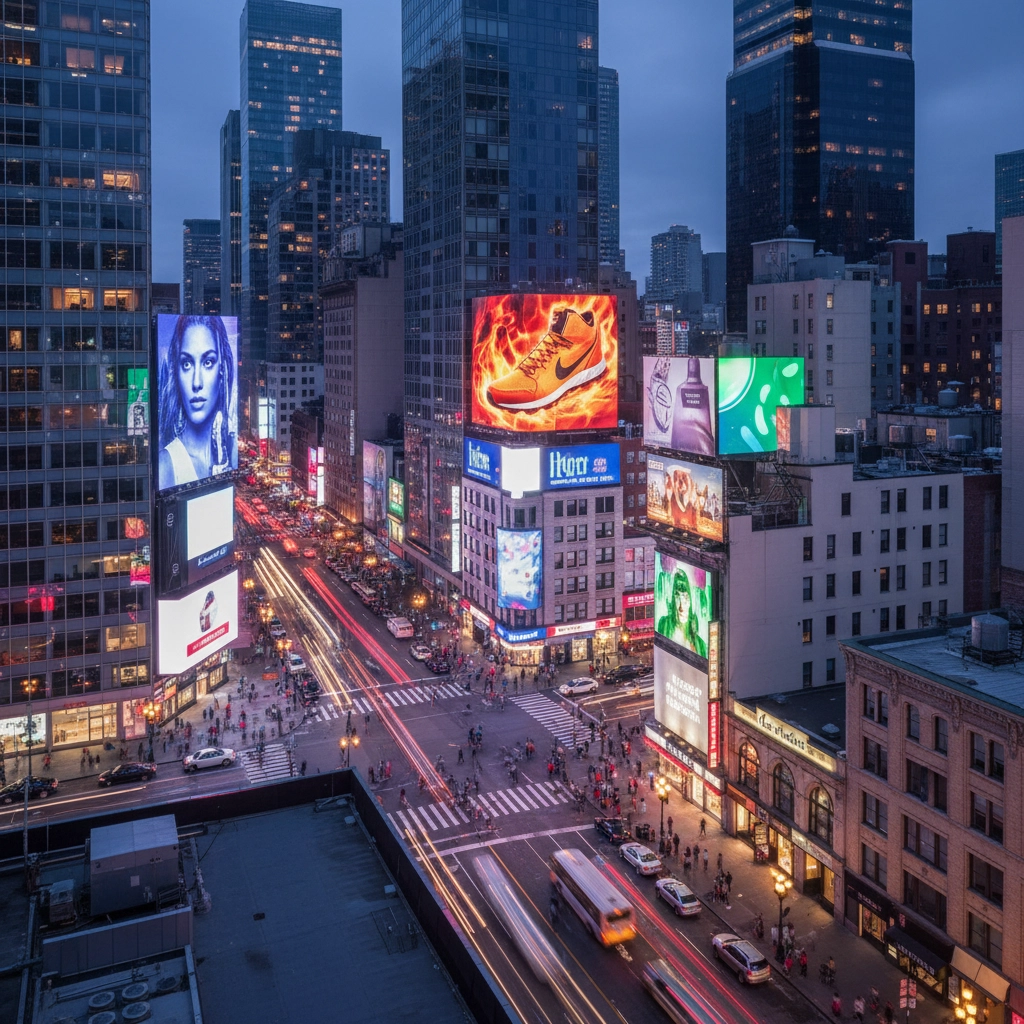
Traditional DOOH: Broad Reach with Proven Performance
Don't underestimate traditional DOOH's proven track record. The format delivers 82% aided recall, with 62% of consumers noticing DOOH ads in the past month. Perhaps more importantly, consumer sentiment strongly favors DOOH, with 73% viewing these ads favorably: performing better than TV or social ads.
Dynamic Content Capabilities
Traditional DOOH shines in its ability to serve dynamic content based on real-time conditions. Your ads can update based on weather, time of day, traffic patterns, or local events. This dynamic capability means your message stays relevant and contextual even in non-retail environments.
The targeting options are robust, utilizing geofencing and mobile device data to reach specific demographics in high-traffic areas. Whether you're targeting morning commuters, lunch-hour shoppers, or evening entertainment seekers, traditional DOOH can find your audience where they spend time.
Proven Action Rates
The performance metrics speak for themselves: 76% of consumers have taken action after DOOH exposure, with 51% actually visiting locations when directions are shown. These aren't just awareness numbers: they represent real behavioral responses that drive business results.
Head-to-Head Performance Comparison
Let's break down how these approaches stack up across key performance indicators:
Audience Quality: Store takeovers win here. You're reaching active shoppers who are already in a buying mindset, making them more receptive to purchase-related messaging.
Reach Scale: Traditional DOOH takes this category. While store takeovers offer larger audiences than digital advertising, traditional DOOH can reach consumers across diverse locations and contexts throughout their day.
Targeting Precision: Store takeovers edge ahead with purchase behavior-based targeting, though traditional DOOH's location and demographic targeting capabilities are still strong.
Creative Flexibility: Traditional DOOH dominates with dynamic content capabilities that can adapt to changing conditions in real-time.
Measurement Depth: Store takeovers provide more comprehensive full-funnel measurement, while traditional DOOH offers solid real-time analytics.
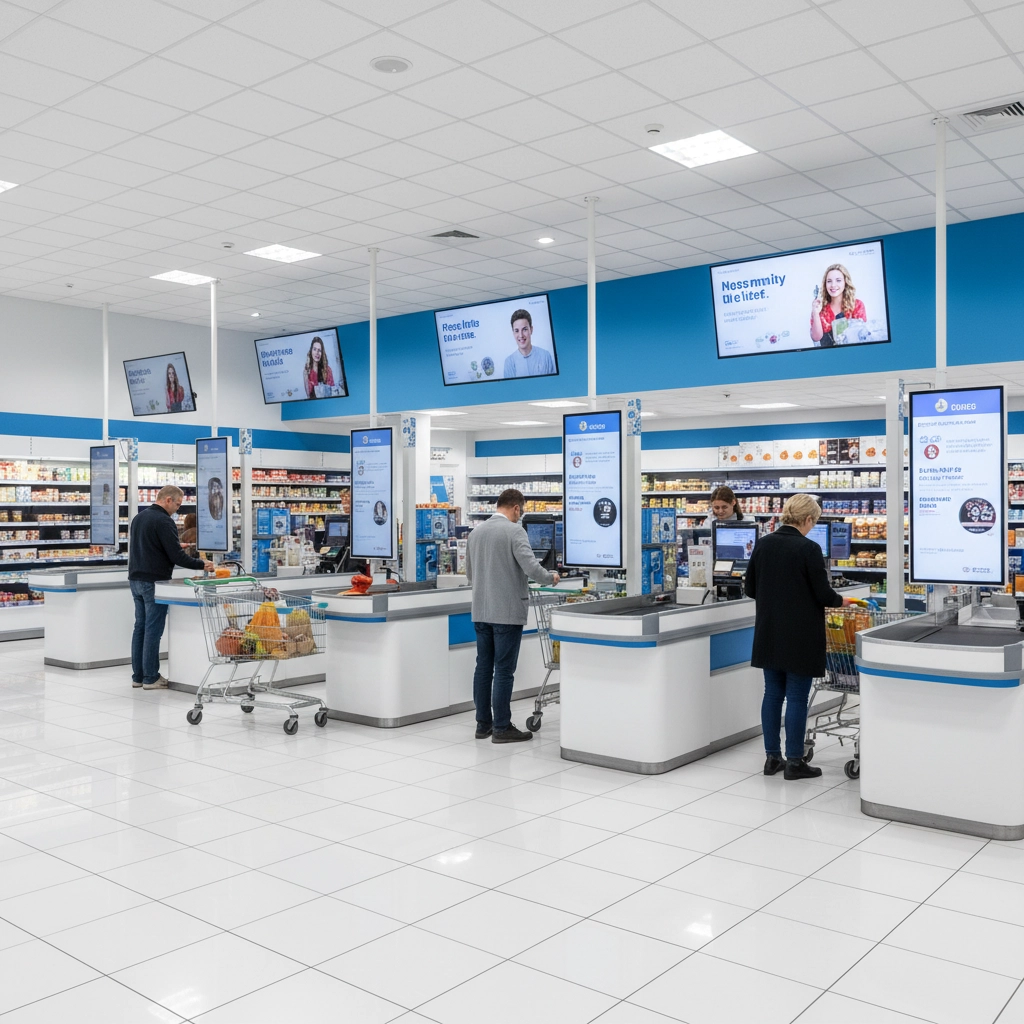
When to Choose Store Takeovers
Deploy store takeover campaigns when your target audience frequently shops at specific retailer partners where you can establish advertising relationships. This approach works best when you can create contextually relevant creative that genuinely enhances the shopping experience rather than interrupting it.
You'll see the strongest results when access to purchase behavior data is critical for your targeting strategy. If your campaign objectives focus on reaching high-intent, decision-making consumers at the moment they're most receptive to new options, store takeovers deliver unmatched precision.
Store takeovers also excel for non-endemic brands that benefit from borrowed credibility. When your financial services ad appears in a trusted retail environment, you inherit some of that retailer's trust and credibility with their customers.
When Traditional DOOH Makes More Sense
Choose traditional DOOH when you need broad market reach across diverse locations and demographics. If your brand benefits from high-frequency exposure in public spaces, or when your message needs maximum creative flexibility with dynamic, weather-based, or time-sensitive content, traditional DOOH provides superior options.
Traditional DOOH works best for building broad awareness and brand recognition across diverse audiences. It's particularly effective for campaigns that need to reach people during their daily routines, whether they're commuting, shopping, or socializing.
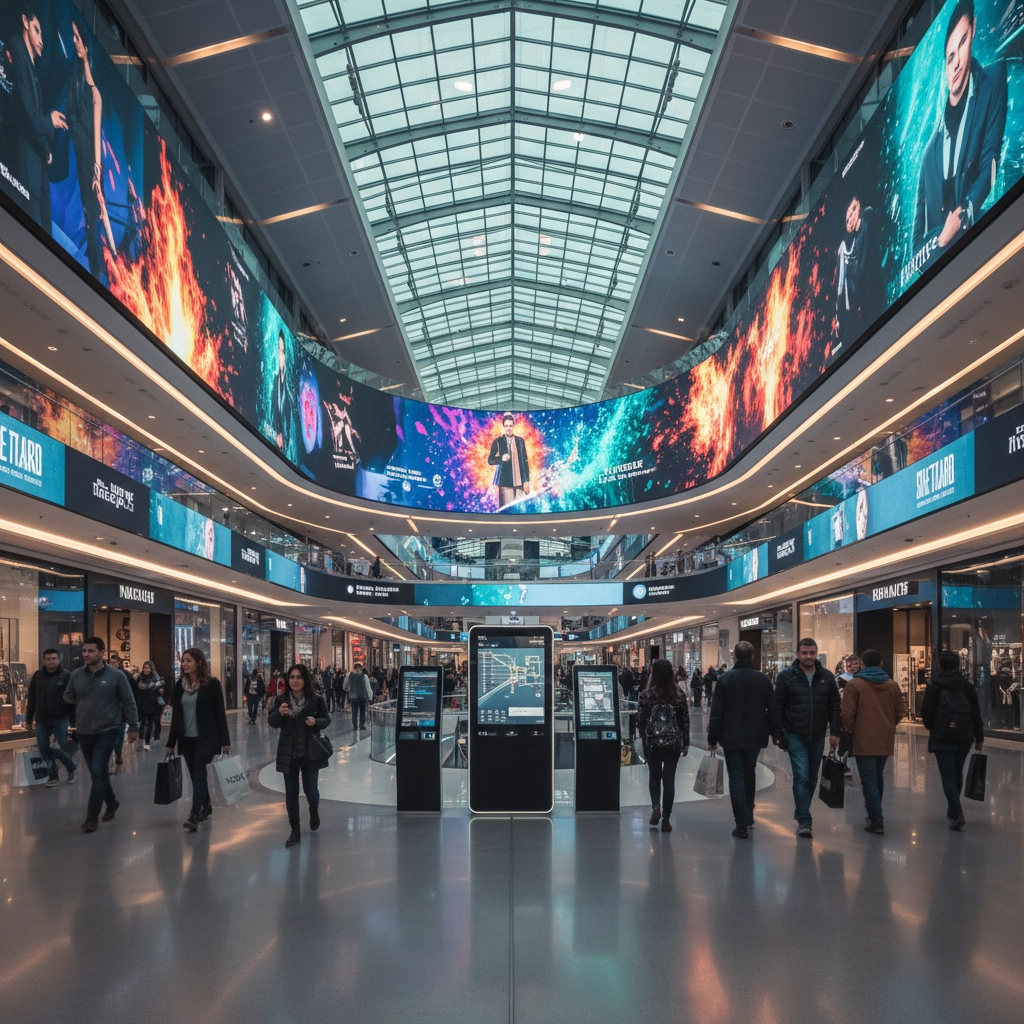
The Hybrid Approach: Maximizing Both Strategies
Consider integrating both approaches for maximum impact. Use traditional DOOH for broad awareness and brand building while deploying store takeovers for targeted, conversion-focused campaigns. This strategy captures audiences throughout their entire journey from initial awareness to purchase consideration.
A hybrid approach lets you build brand recognition through traditional DOOH's broad reach, then convert that awareness into action through store takeovers' high-intent targeting. You're essentially creating a funnel that guides consumers from awareness to conversion across multiple touchpoints.
The timing advantage here is significant. Traditional DOOH can introduce your brand during daily routines, while store takeovers can reinforce your message at the moment of highest purchase intent. This one-two combination maximizes both reach and conversion potential.
Making Your Strategic Decision
Your choice ultimately depends on your campaign objectives, target audience behavior, and measurement priorities. If you're focused on reaching decision-makers at high-intent moments with precise targeting and comprehensive measurement, store takeovers offer compelling advantages.
If you need broad market reach, maximum creative flexibility, and proven performance across diverse audiences, traditional DOOH provides reliable results with extensive format options.
Remember that both approaches are experiencing explosive growth as marketers shift budgets toward addressable, measurable formats. The brands that move early will secure better inventory at more favorable rates than those who wait.
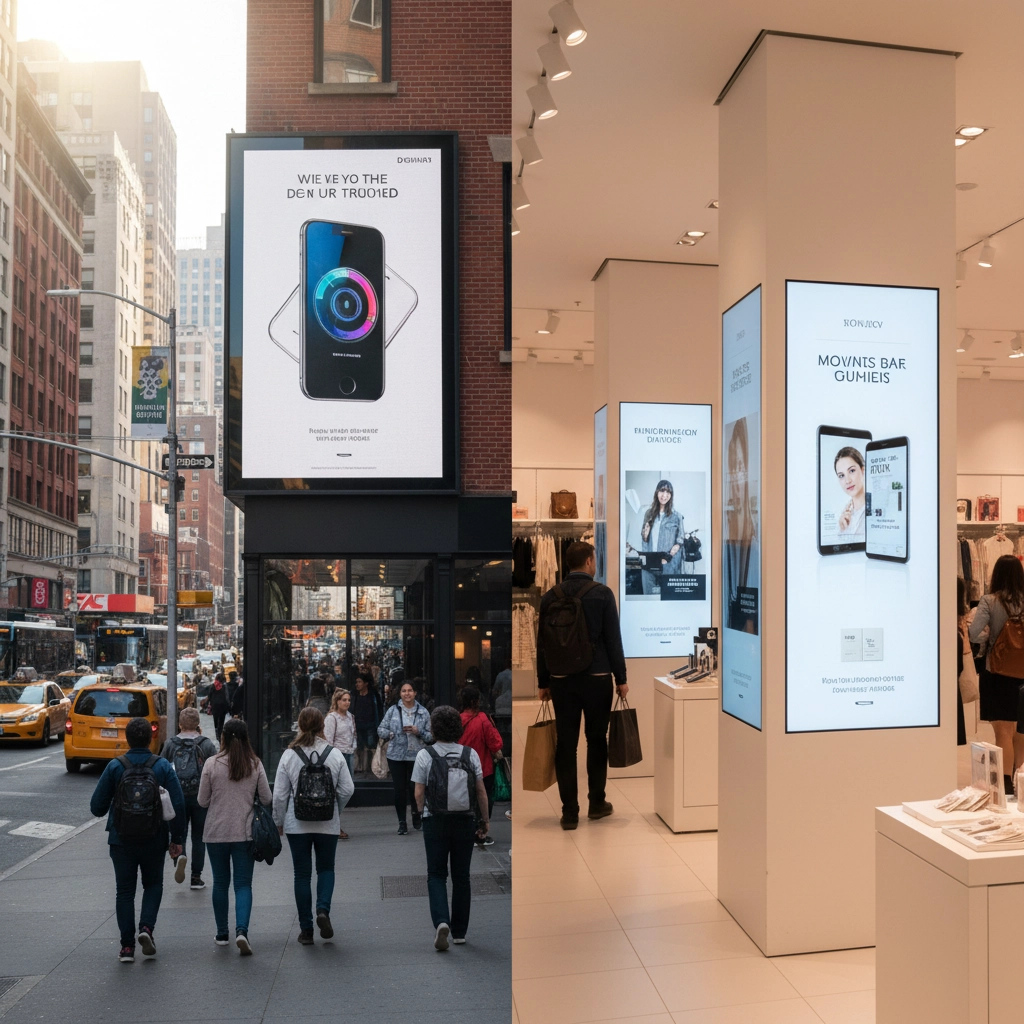
Your next step is evaluating your specific campaign goals against these capabilities. Consider your audience's shopping patterns, your creative requirements, and your measurement needs. The right choice will drive better results and position your brand for long-term success in the evolving DOOH landscape.
The opportunity window is open now, but it won't stay that way forever. Make your decision based on data, deploy with confidence, and capture the growth that both store takeovers and traditional DOOH can deliver for non-endemic brands ready to embrace the future of out-of-home advertising.

