
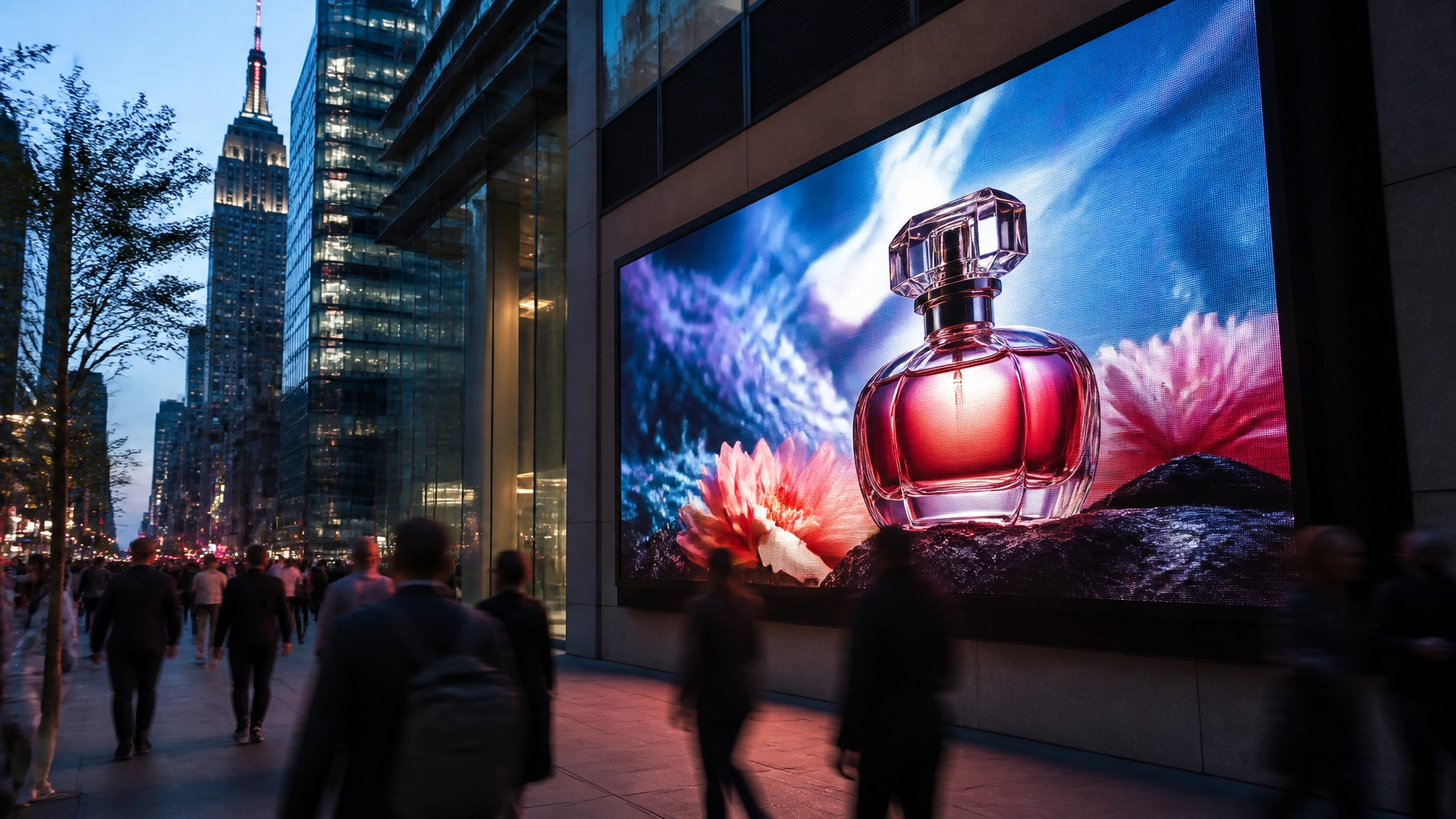
The landscape of digital advertising is undergoing a seismic shift. For years, third-party cookies were the backbone of digital marketing, allowing you to track users across the web and serve highly personalized ads. But as those cookies crumble under the weight of increasing privacy regulations and browser restrictions, you are likely finding yourself at a crossroads. You need to reach your audience with precision, but you must do so without infringing on their privacy or falling into the "tracking trap."
Enter Digital Out-of-Home (DOOH) advertising: a medium that has quietly evolved into one of the most powerful, privacy-compliant tools in your marketing arsenal. While traditional online ads struggle to stay relevant in a cookie-less world, DOOH is thriving by offering a unique combination of scale, precision, and contextual relevance.
Hook your readers by understanding this fundamental truth: precision does not require intrusion. By leveraging the hyper-targeted capabilities of a network like RAMM, you can achieve your marketing goals while remaining fully compliant with global privacy standards.
Why DOOH Wins in a Privacy-First World
The primary reason DOOH is winning the post-cookie era is simple: it targets locations and contexts, not individual people. When you buy a DOOH spot, you aren't chasing a specific user through their browser history; you are reaching a specific audience segment in a high-intent environment.
Maintain a logical flow by recognizing that DOOH is a "one-to-many" medium. Unlike mobile ads that rely on personal identifiers (which are increasingly restricted by GDPR and CCPA), DOOH uses aggregated data. This data tells you who is likely to be at a certain street corner, in a specific grocery store, or waiting at a transit hub at any given time. It gives you the "who" and the "where" without ever needing to know the "who" in a way that identifies them personally.
This privacy-by-design approach makes DOOH future-proof. You don't have to worry about the next browser update or a new privacy law making your campaign obsolete. Your strategy remains stable, effective, and ethical.

Hyper-Targeting with Precision: The Power of Venue and Radius
Do not let the "out-of-home" label fool you into thinking the targeting is broad or imprecise. In fact, modern DOOH allows for a level of granular control that rivals any digital platform. With RAMM’s network, you have the ability to pinpoint exactly where your message appears.
Targeted Venue Selection
Reach your audience exactly where they spend their time. Whether you are looking to capture the attention of busy professionals in office buildings, health-conscious consumers in medical offices, or sports fans in local bars, you can select specific venue types that align with your brand. This contextual relevance is a form of targeting that doesn't need a cookie to be effective. If you are selling a new energy drink, placing an ad in a gym or a sports bar is inherently more targeted than a random banner ad on a news site.
Flexible Radius Targeting
Take control of your geographical reach with flexible radius targeting. You can set a custom radius ranging from 2.5 to 50 miles around any business or digital sign. This is particularly powerful for driving foot traffic. If you are a big-box retailer or a local automotive dealership, you can saturate the immediate area around your locations, ensuring that your message is seen by the people most likely to visit your store.
Dynamic Triggers: Timing Your Message Perfectly
One of the most exciting aspects of DOOH in the post-cookie era is the ability to use real-world environmental triggers. This allows you to stay relevant without needing to know anything about the individual viewer’s personal habits.
Maintain engagement by using imperatives like "Leverage the weather" or "Trigger by event." When you use RAMM, you can automate your creative to change based on live data:
- Weather-Based Adjustments: Imagine an ad for hot coffee that only appears when the temperature drops below 50 degrees, or an advertisement for rain gear that triggers as soon as the first drop falls. This is real-time relevance that feels helpful rather than intrusive.
- Special Event Triggers: Sync your campaign with local events, sports games, or festivals. If a local team wins a championship, your creative can reflect that victory within minutes, creating an emotional connection with everyone in the vicinity.
- Flexible Scheduling: You can set custom daily campaigns or continuous schedules that match the peak hours of your target demographic. If your audience is the morning commuter, you can own the transit hubs from 7:00 AM to 9:00 AM and then shift your focus elsewhere in the afternoon.

A Global Network for Local Impact
In a globalized economy, your brand needs to be able to scale. However, scaling often comes with the risk of losing that local, personal touch. The hidden power of a robust DOOH network is its ability to provide a global reach while maintaining local precision.
RAMM operates on a massive scale, with a significant presence in major global hubs including:
- North America: New York and Los Angeles
- Europe: Paris, Munich, and various locations across Italy
- Asia: Hong Kong
Whether you are a global brand like Johnson & Johnson looking to execute a coordinated campaign across continents, or a niche craft product company wanting to test a new market in Munich, the infrastructure is already in place. You can manage a multi-city, multi-national campaign from a single point of control, ensuring consistency in your messaging while adapting the "where" and "when" to each specific market's nuances.

Strategy: How to Implement a Cookie-Free DOOH Plan
To truly win in the post-cookie era, you must treat DOOH as a central pillar of your strategy, not an afterthought. Follow these steps to ensure your campaign is as effective as possible:
- Define Your Context: Ask yourself, "Where is my audience when they are most likely to think about my product?" Is it at the grocery store? A transit station? A medical office?
- Set Your Perimeter: Use radius targeting to define the boundaries of your campaign. If you are a regional brand, stick to the 2.5 to 10-mile range. For national awareness, expand your reach up to 50 miles.
- Deploy Dynamic Creative: Don't just set one static image. Prepare variations of your creative that can be triggered by weather or time of day. This significantly increases the "stop-and-look" factor of your ads.
- Monitor and Iterate: Use the data provided by the network to see which locations and times are performing best. Because DOOH is digital, you can pivot quickly and optimize your spend in real-time.
A well-crafted strategy doesn't just reach people; it leaves a lasting impression that drives action. By focusing on the environment and the moment, you are creating a more natural and accepted form of advertising that consumers appreciate.

Final Thoughts: The Future is Out-of-Home
The "death of the cookie" is not the death of targeted advertising; it is simply the evolution of it. By shifting your focus toward privacy-compliant, location-based media, you are positioning your brand for long-term success. You are respecting your customers' privacy while still reaching them with incredible precision and impact.
A well-crafted DOOH campaign should linger in your readers’ minds, reminding them of your brand when they are in the exact place where they can make a purchase. As you look to the future, remember that the most effective way to reach a modern audience is to meet them where they are: in the real world.
Empower your brand today by exploring the possibilities of a hyper-targeted, global DOOH network. Whether you are looking to dominate a local market or make a splash on the world stage, the tools are ready for you to use.
Encourage engagement by inviting comments or questions below. How are you adapting your strategy to the post-cookie world? We’d love to hear your insights and discuss how we can help you navigate this new landscape.
To learn more about how to elevate your advertising strategy, visit RAMM and discover the power of Rapid Advanced Multimedia.

