
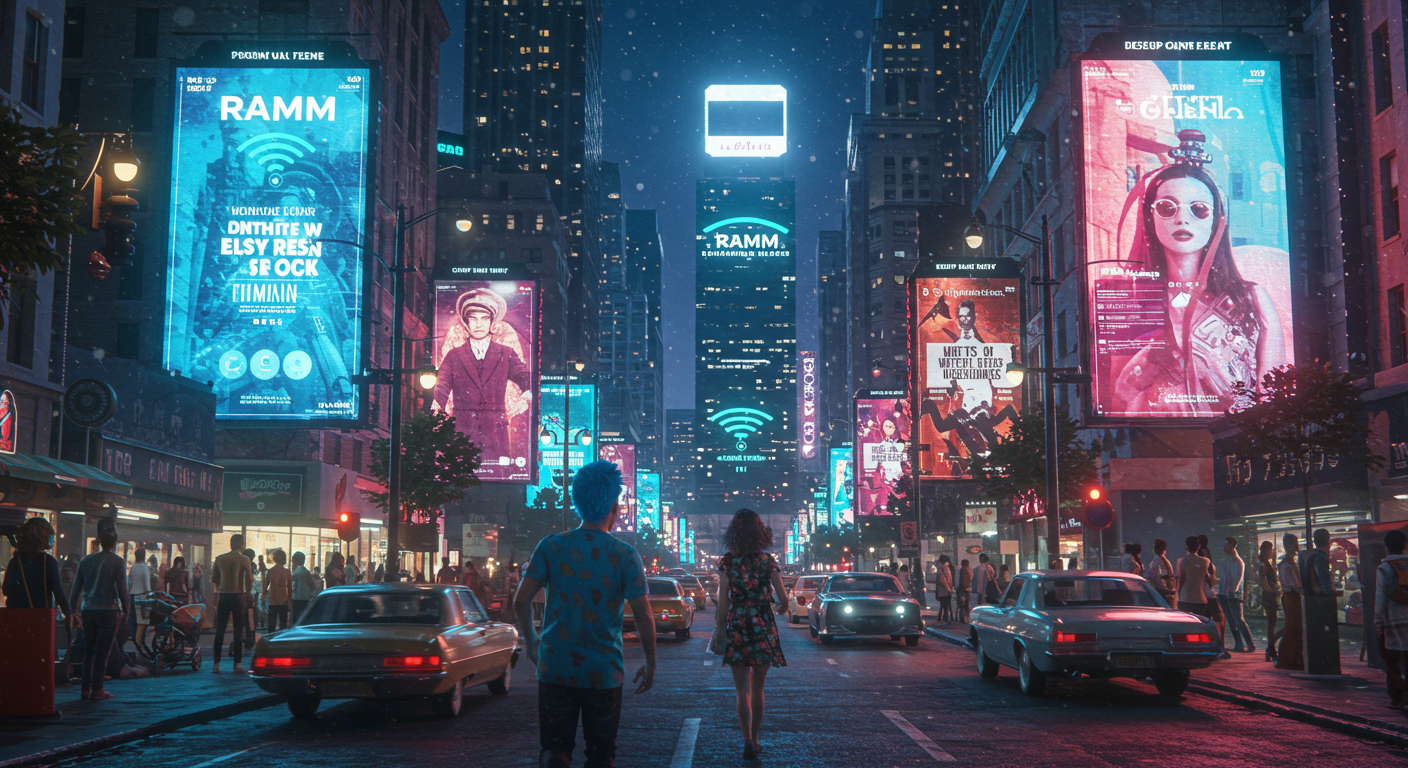
A person steps outside, checks the sky, and changes plans. A crowd leaves a stadium, opens its phones, and looks for somewhere to eat. A conference ends, and attendees move toward hotels, restaurants, and transportation hubs.
These moments create more than foot traffic. They create advertising opportunities.
Your digital out-of-home campaign becomes more powerful when it responds to what people are experiencing right now. Event- and weather-triggered DOOH helps you replace generic messages with timely creative that feels useful, relevant, and connected to the real world.
As an industry leader in targeted digital out-of-home advertising, RAMM Worldwide helps media buyers, planners, agencies, and in-house brand teams reach audiences across the places and moments that shape behavior. Through a global presence across New York, Los Angeles, Hong Kong, Paris, Munich, and Italy, RAMM helps you plan campaigns that move with your audience.
Start With the Moment, Not the Message
Do not begin with a headline and search for a place to display it. Begin with the moment that could make your audience more likely to notice, care, or act.
Ask yourself:
- What event is bringing people together?
- Where will those people travel before and after the event?
- How could weather change their plans?
- Which products or services become more useful in that context?
- What action should your audience take next?
This approach turns DOOH into a responsive channel rather than a repeating message on a loop.
For example, a beverage brand can promote cold drinks near a stadium before a warm-weather game. A restaurant can shift from outdoor dining creative to delivery messaging when rain begins. A healthcare brand can promote allergy relief near medical offices, pharmacies, and grocery stores when pollen levels rise.
The creative does not need to explain the data behind the decision. It simply needs to feel right for the moment.
Use Event Triggers to Follow Audience Intent
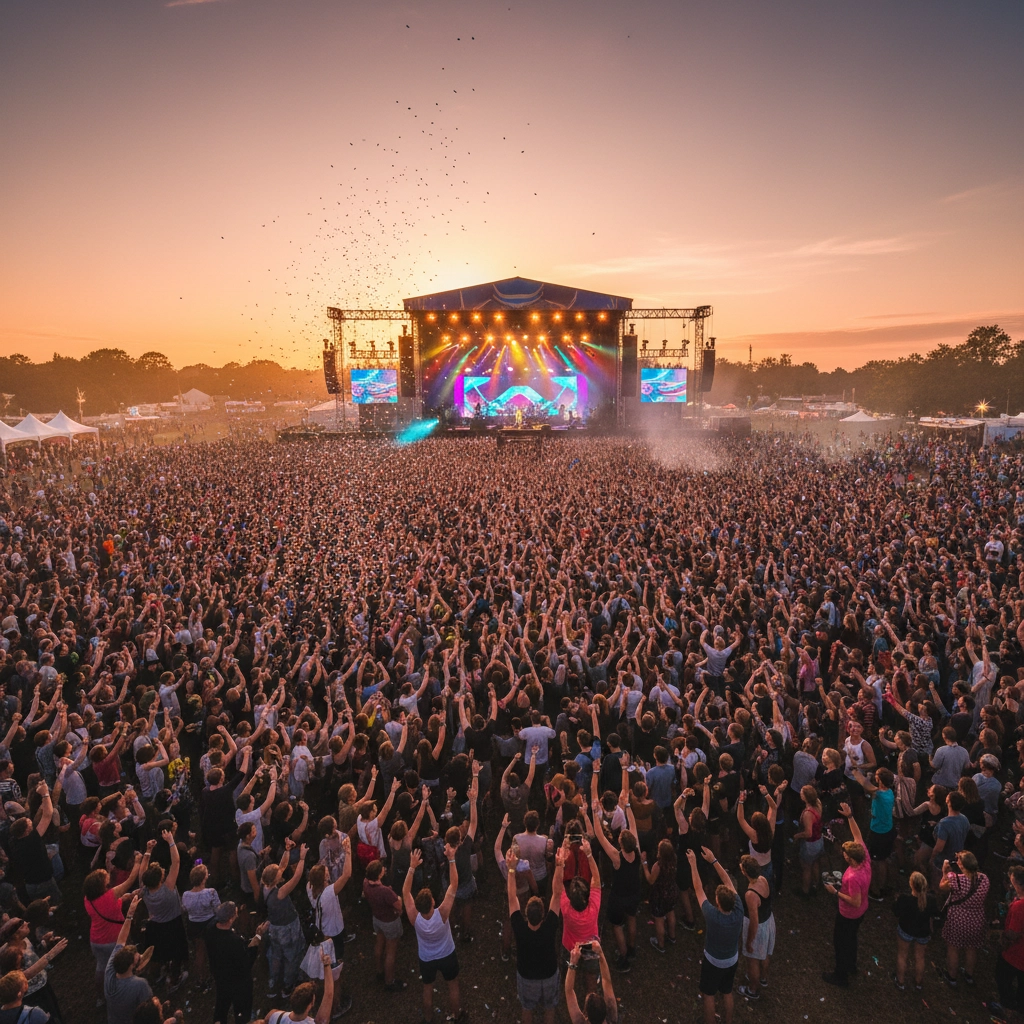
Events concentrate attention, energy, and shared interests. Use that concentration to build a campaign around the full audience journey instead of targeting only the main venue.
Build a pre-event message
Reach people while anticipation is growing. Promote registration, ticket sales, product availability, or nearby experiences before the event begins.
Target screens near:
- Convention centers
- Hotels
- Airports
- Business districts
- Transportation hubs
- Restaurants and cafés
- Entertainment districts
A pre-event message can build awareness while people are still deciding what to do, where to go, or what to buy.
Own the arrival window
As attendees approach an event, your message can become more practical. Use clear location cues, nearby offers, or short calls to action.
A campaign might direct fans to a sports bar, remind conference attendees about a nearby meeting, or promote a quick-service restaurant along the route to a concert venue.
Keep the creative concise. People moving through a busy area need to understand your message quickly.
Stay relevant during the event
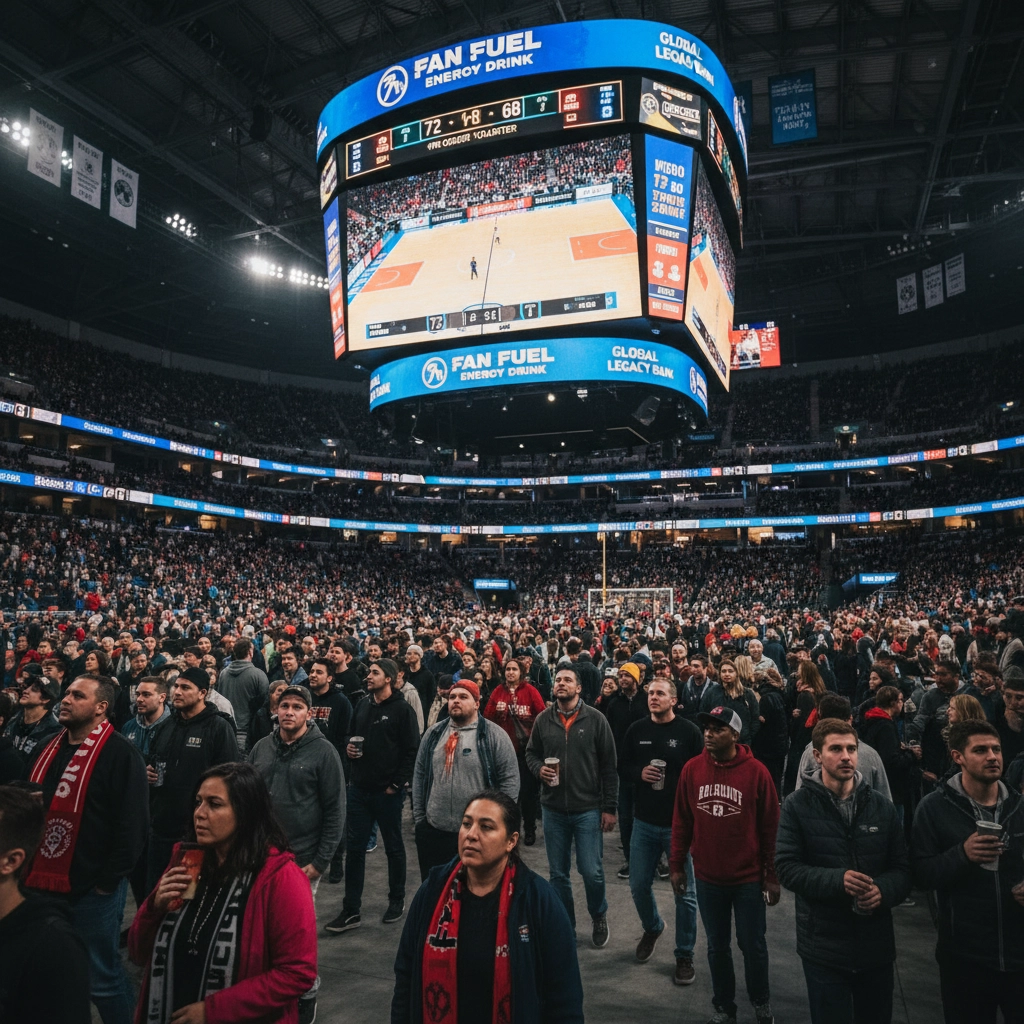
Use live event conditions to make your campaign feel connected to the audience’s experience. Depending on the campaign, triggers can include event start time, doors opening, ticket availability, live scores, schedule changes, or event status.
A sports brand could adjust messaging based on the game. A food brand could encourage fans to celebrate nearby after a win. A retailer could promote a limited offer during a concert or festival when the surrounding area reaches peak activity.
The key is to create variations before the campaign begins. Prepare the logic, creative options, approval process, and guardrails so the campaign can respond without slowing down.
Extend the post-event moment
Do not stop when the event ends. Audience attention often remains high as people leave, discuss what happened, and decide where to go next.
Target nearby restaurants, sports bars, transit stations, hotel areas, and retail districts. Use messages that support the next step in the journey: dinner, transportation, entertainment, or a return visit.
A phased event strategy gives you more opportunities to connect without relying on a single impression.
Layer Venue Targeting With a Flexible Radius
Event targeting works best when you define both the right places and the right distance.
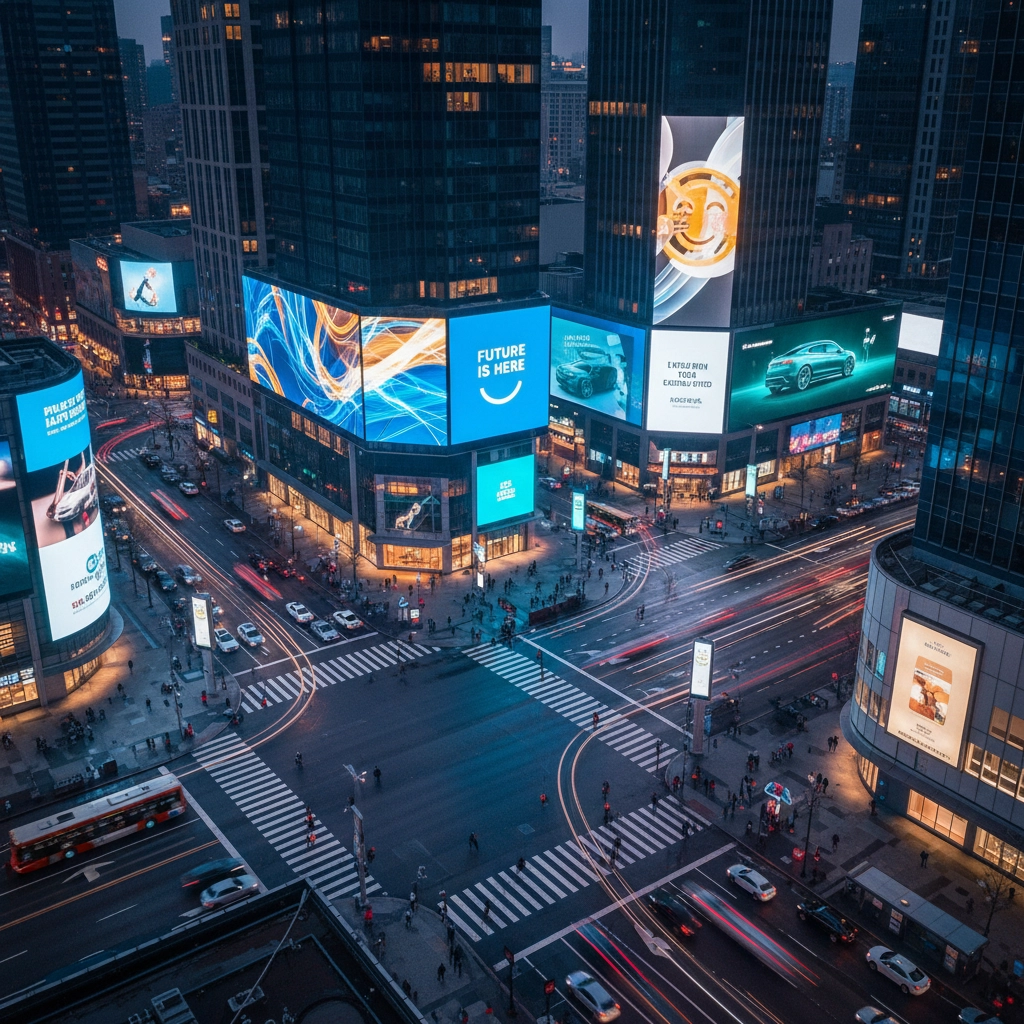
With RAMM, you can target a specific venue, business, or digital sign and select a flexible radius from 2.5 to 50 miles. This allows you to match the campaign footprint to the event, audience, and business objective.
Use a 2.5-mile radius when you want to reach people immediately around a stadium, restaurant, medical office, or retail location.
Expand to 5 or 10 miles when you want to include nearby hotels, transit routes, grocery stores, restaurants, and entertainment districts.
Use a broader radius of 25 to 50 miles when an event draws regional visitors, when you need to cover airport corridors, or when your campaign supports a wider market objective.
Do not assume the largest radius will deliver the strongest result. Start with the audience journey, then choose the distance that reflects how far people are likely to travel.
You can also combine venue types to improve relevance. A campaign around a sporting event might include the arena, transportation hubs, sports bars, grocery stores, and nearby restaurants. A healthcare campaign might focus on medical offices, pharmacies, grocery stores, and commuter routes.
This level of control helps you reduce wasted impressions and create a message that belongs in its environment.
Let Weather Change the Creative, Not the Strategy
Weather affects movement, mood, comfort, and purchasing behavior. Treat it as a planning signal that helps your campaign respond to real conditions.
Use weather triggers such as:
- Rain
- Snow
- Temperature
- Heat index
- Wind
- UV levels
- Air quality
- Pollen conditions
Then connect each condition to a useful creative response.
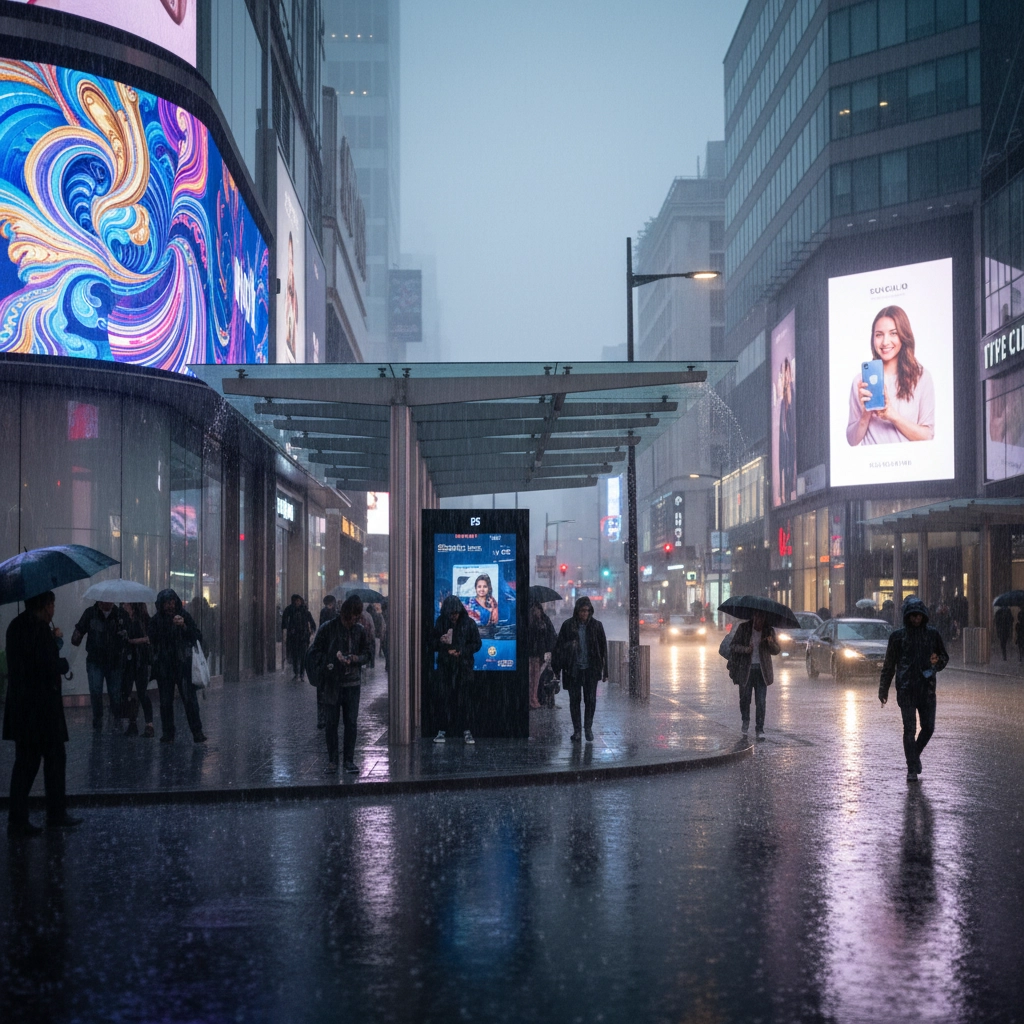
When rain begins, promote indoor destinations, delivery, waterproof products, warm beverages, or nearby covered locations. When temperatures rise, highlight cold drinks, cooling products, lighter meals, or air-conditioned retail environments. When cold weather arrives, shift toward warm food, winter apparel, indoor activities, or comfort-focused offers.
Weather triggers can also help you protect your budget. If an outdoor event is canceled because of rain, pause the related creative or redirect spend toward indoor venues. If attendance remains strong despite poor conditions, use a message that acknowledges the experience and gives people a reason to stay engaged.
The best weather-based campaigns do more than announce the forecast. They answer the question your audience is already asking: What should I do now?
Schedule Around Behavior, Not Just Business Hours
Flexible scheduling gives your campaign room to follow real audience patterns.
Use dayparting to align messages with the way people move through a location:
- Morning commute: breakfast, coffee, transportation, and daily essentials
- Midday: lunch, retail, professional services, and conference activity
- Evening commute: dinner, entertainment, grocery shopping, and delivery
- Late evening: nightlife, hospitality, and post-event offers
Add event windows to create a clear campaign sequence. Run awareness creative before an event, action-focused creative during the arrival period, and follow-up messaging after the event ends.
You can also run continuous campaigns with daily custom creative. For example, a national product brand may keep an always-on presence across grocery stores and transportation hubs while changing the message based on location, weather, and time of day.
This structure gives you consistency without forcing the same message into every situation.
Build Creative That Makes Relevance Obvious
You have only a few seconds to earn attention. Make the context clear immediately.
Use:
- Short headlines
- Strong visual contrast
- One primary call to action
- Local place names when useful
- Nearby directions or distances
- Simple offer language
- Creative variations for each trigger
Avoid overcrowding the screen with data, disclaimers, or multiple offers. Your audience should understand why the message matters before they continue walking, driving, or waiting.
Dynamic creative optimization can help you change headlines, images, offers, and calls to action based on live inputs. Industry resources from Vistar Media and Broadsign also describe how location, time, weather, and event data can support more relevant DOOH creative.
Use automation to improve timing, but keep the human strategy in control. Your audience should feel understood, not programmed.
Measure the Trigger, Not Just the Campaign
A triggered campaign needs triggered measurement.
Compare performance during active event or weather windows with a baseline period. Review results by:
- Venue type
- Radius
- Time of day
- Trigger condition
- Creative variation
- Geographic market
- Audience segment
Track the outcome that matters to your business. That might include store visits, sales, ticket purchases, registrations, app activity, foot traffic, or brand lift.
RAMM supports real-time performance tracking and campaign optimization through its digital advertising services. Use these insights to shift budget toward the venues, radii, schedules, and creative combinations that generate the strongest response.
A strong campaign does not simply report what happened. It helps you make the next decision faster.
Make Every Impression Belong to the Moment
The most effective DOOH campaigns do not interrupt the environment. They participate in it.
A timely message near a concert can guide the next decision. A weather-responsive offer can make a product feel immediately useful. A venue-targeted campaign can reach people when they are already close to taking action.
Plan your next campaign around the moments that change behavior. Choose the venues that matter, set a radius from 2.5 to 50 miles, create flexible schedules, and prepare event- and weather-triggered creative that can respond in real time.
RAMM Worldwide brings targeted digital out-of-home capabilities to markets across New York, Los Angeles, Hong Kong, Paris, Munich, and Italy. Explore campaign opportunities with RAMM, and start building a DOOH strategy that meets your audience at the moment attention is most available.
Encourage engagement by inviting comments, questions, or sharing. The next valuable advertising moment may already be unfolding around you.

