

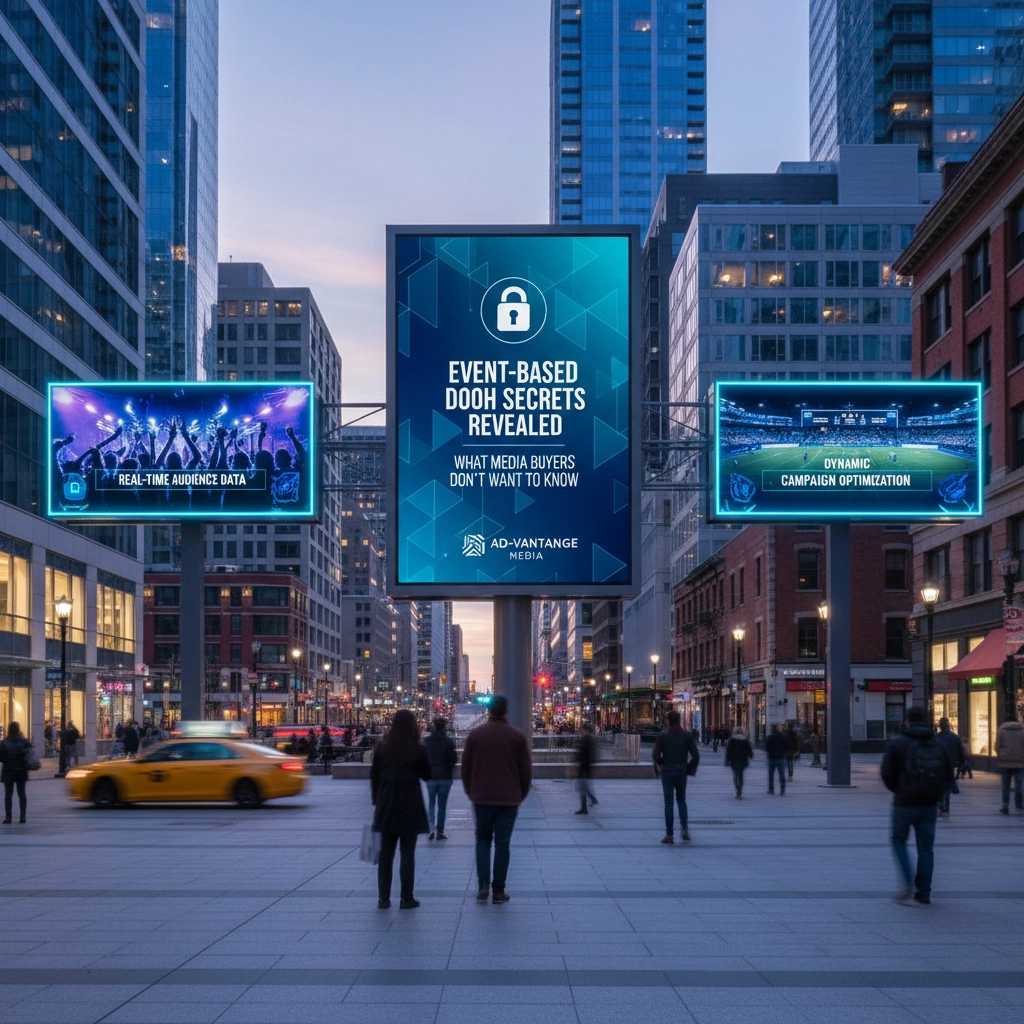
Media buyers guard their best strategies like trade secrets, but here's what they don't want you discovering: event-based DOOH advertising isn't just about placing ads near venues anymore. It's about creating intelligent, responsive campaigns that adapt in real-time to weather, attendance, and audience behavior: giving you laser-focused targeting that traditional advertising can't match.
The Hidden Truth About Modern Event Targeting
Most advertisers still think event-based digital out-of-home means slapping a billboard near a stadium. That's yesterday's thinking. Today's smart media buyers leverage sophisticated radius targeting combined with venue-specific intelligence to create campaigns that respond to real-world conditions.
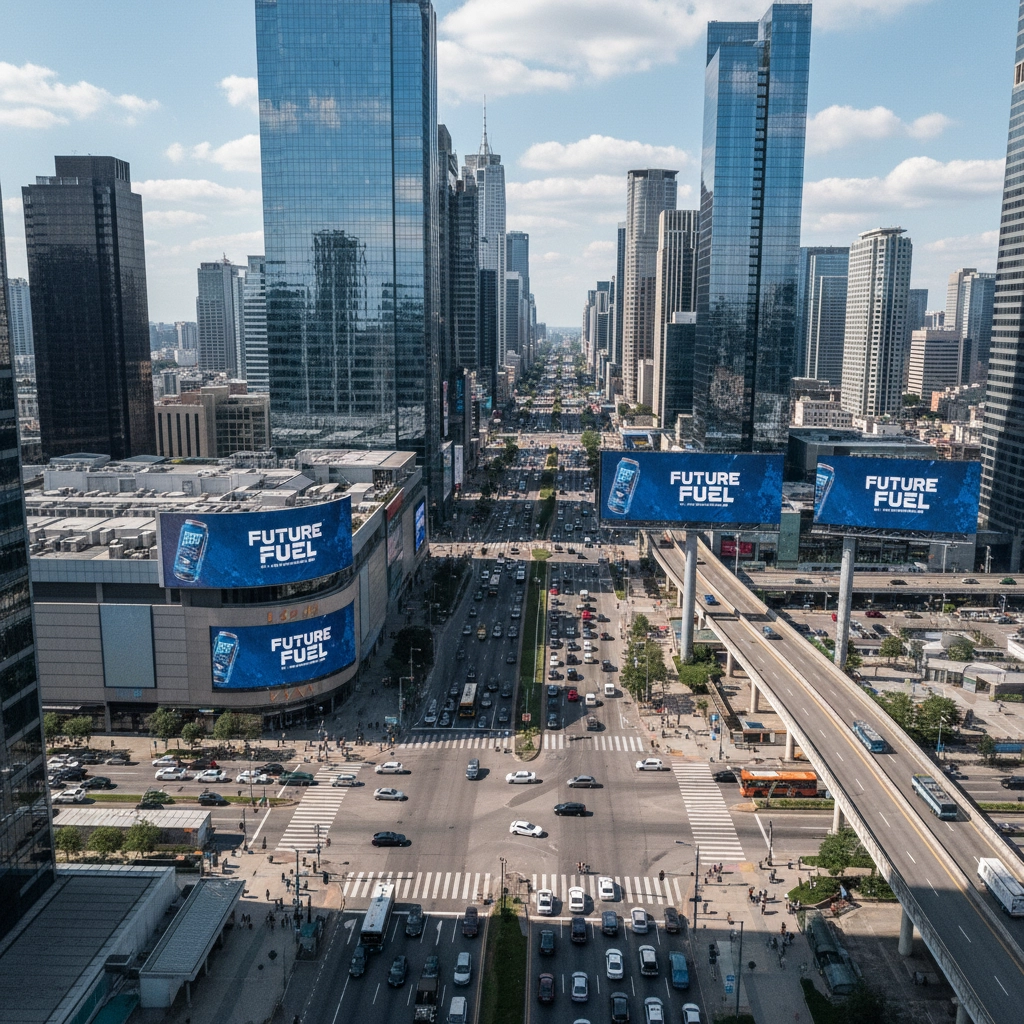
Here's what separates amateur efforts from professional results: the ability to target any digital sign within a customizable radius: from 2.5 miles to 50 miles: around your chosen location. Whether it's grocery stores, quick-service restaurants, bus terminals, highway signs, sports bars, or medical offices, modern digital signage advertising reaches your audience wherever they actually spend time.
Secret #1: Weather-Triggered Campaign Intelligence
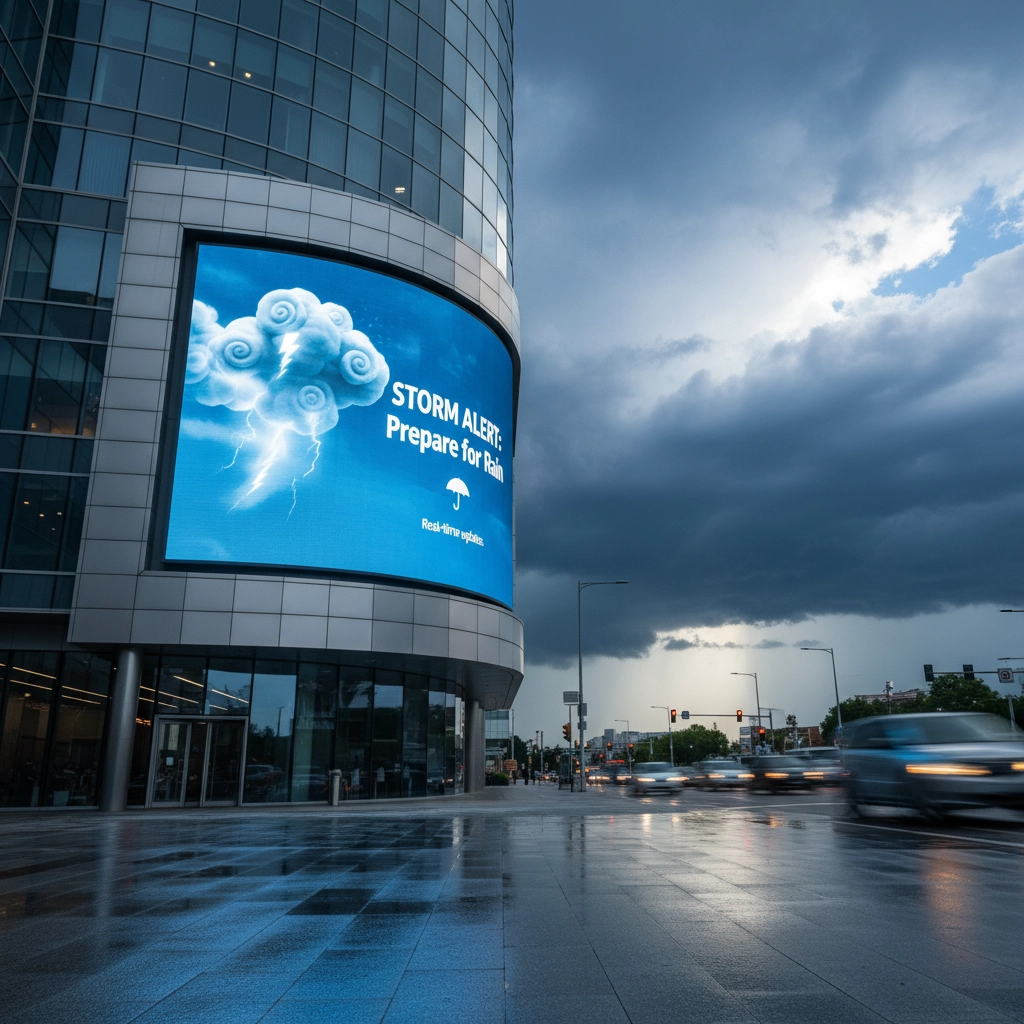
The first secret media buyers use? Weather-based ad triggers that most advertisers ignore completely. Your campaign can automatically pause when rain threatens an outdoor event, saving budget for optimal conditions. This isn't just about outdoor venues: weather affects shopping patterns, commute routes, and consumer behavior across all digital signage locations.
Smart campaigns adjust messaging based on current conditions. Promoting a sports bar during a rainy day when the baseball game gets canceled? Your ads automatically shift to indoor entertainment messaging. This level of responsive targeting ensures your budget works harder and smarter.
Secret #2: Flexible Radius Combinations That Maximize Reach
Media buyers know that rigid targeting kills campaigns. The most successful event-based DOOH uses flexible radius targeting that adapts to each situation. Planning around a major concert? Cast a wide 50-mile net to capture travelers from surrounding areas. Targeting a neighborhood festival? Tighten the radius to 2.5 miles for hyper-local precision.
This flexibility extends to venue combinations too. Your campaign can simultaneously target transportation hubs (catching commuters), grocery stores (reaching daily shoppers), and sports bars (engaging entertainment seekers): all within your chosen radius. This multi-venue approach multiplies touchpoints without multiplying complexity.
Secret #3: Day-of-Event Optimization
Here's where amateur campaigns fail: they set it and forget it. Professional media buyers utilize day-of targeting that adjusts messaging, timing, and intensity based on real-time event data. Your ads can ramp up intensity as event time approaches, shift messaging for early arrivals versus late-comers, and even extend campaigns when events run over schedule.
This dynamic approach means your advertising matches audience energy and attention levels throughout the event lifecycle. Pre-event messaging builds anticipation, during-event ads capture immediate action, and post-event content extends engagement.
Secret #4: The Power of Continuous vs. Daily Campaign Options
Most advertisers don't realize they're limiting their own success by choosing the wrong campaign rhythm. Media buyers understand when to use continuous campaigns (for ongoing brand awareness around regular venues) versus daily campaigns (for specific event targeting).
Continuous campaigns work brilliantly for businesses wanting consistent visibility around high-traffic digital signs: think restaurants targeting nearby shopping centers or service providers reaching commuter routes. Daily campaigns excel for event-specific promotions, limited-time offers, or seasonal messaging that needs precise timing control.
Secret #5: Strategic Venue Selection Based on Audience Behavior
The biggest secret? Location intelligence that goes beyond demographics. Professional media buyers don't just target where their audience lives: they target where their audience goes. This means understanding the difference between targeting a medical office (reaching health-conscious consumers during vulnerable moments) versus highway signs (capturing travelers making spontaneous decisions).
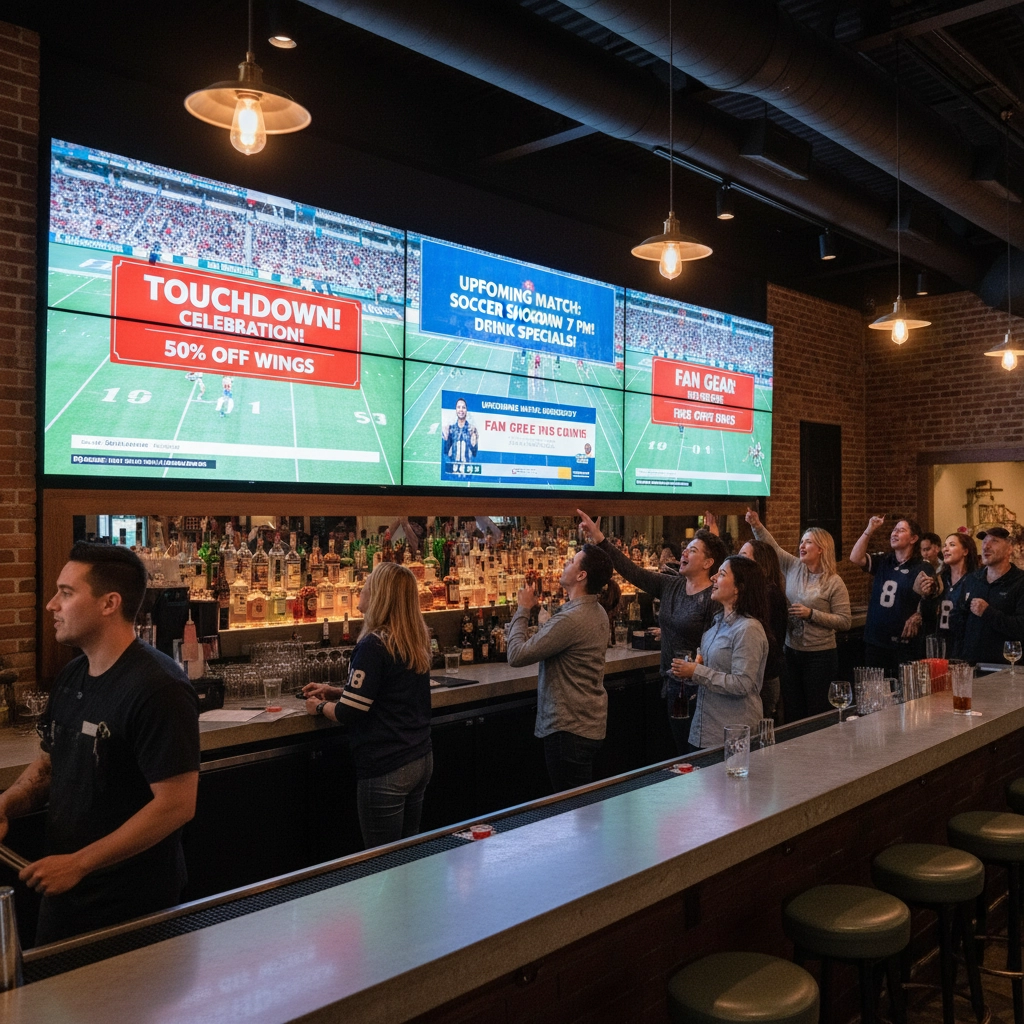
Each venue type serves different psychological states and decision-making processes. Sports bars reach entertainment-seekers in social moods. Transportation hubs capture goal-oriented commuters. Grocery stores engage routine-focused shoppers. Smart campaigns match messaging tone and offers to these distinct mindsets.
The Technology Behind Seamless Event Integration
Modern event-based DOOH leverages programmatic technology that most advertisers don't know exists. Your campaigns can integrate with event management systems, weather APIs, and real-time traffic data to create advertising that feels less like interruption and more like helpful information.
This technological sophistication enables features like automatic campaign scaling based on predicted attendance, messaging personalization for different arrival times, and cross-platform coordination that extends your event-based messaging to complement other marketing channels.

Measuring Success: Beyond Traditional Metrics
Media buyers track metrics that traditional advertisers ignore. Instead of just impressions and reach, successful event-based DOOH campaigns measure location-based engagement, weather correlation analysis, and event attendance lift attribution.
These advanced metrics reveal which venue types drive the highest conversion rates for your specific audience, optimal radius settings for different event types, and weather condition impacts on campaign performance. This data becomes invaluable intelligence for refining future campaigns.
Getting Started with Professional-Grade Event Targeting
Ready to implement these media buyer secrets in your own campaigns? Start by mapping your ideal customer's movement patterns around events they attend. Identify the digital signage locations they encounter during their event journey: from initial travel to post-event activities.
Consider the full timeline: pre-event anticipation building, arrival and departure routing, and post-event engagement opportunities. Your event-based DOOH strategy should touch multiple points along this journey, adapting messaging and offers to match each phase.
Why Traditional Agencies Keep These Strategies Quiet
These event-based DOOH capabilities level the playing field between big agencies and smaller advertisers. When everyone has access to sophisticated radius targeting, weather-triggered campaigns, and flexible scheduling, success depends more on strategy than budget size.
That's exactly why media buyers prefer keeping these capabilities under wraps: they eliminate the competitive advantage that comes from exclusive access to advanced targeting technology.
The reality is that modern digital signage advertising platforms democratize these professional-grade features, making them accessible to businesses of all sizes. You don't need agency-level budgets to leverage agency-level targeting sophistication.
Ready to unlock event-based DOOH targeting that adapts to weather, audience, and real-time conditions? Stop settling for basic billboard placement when you could be running intelligent campaigns that optimize themselves.
Contact RAMM today and discover how flexible radius targeting and venue-specific digital signage advertising can transform your marketing results.
📞 Call: +1 970-591-4238
📧 Email: info@ramm-advertising.com
🌐 Website: www.ramm-advertising.com
Follow RAMM:
LinkedIn | Facebook | Instagram | X
Transform your advertising with smart event-based DOOH campaigns that actually convert. Your competition is still using yesterday's targeting: while you leverage tomorrow's technology.
#EventBasedDOOH #TargetMarketing #DigitalSignage #FlexibleCampaigns #VenueTargeting #RadiusTargeting #SmartAdvertising #DOOH #MarketingTech #AdTech

