
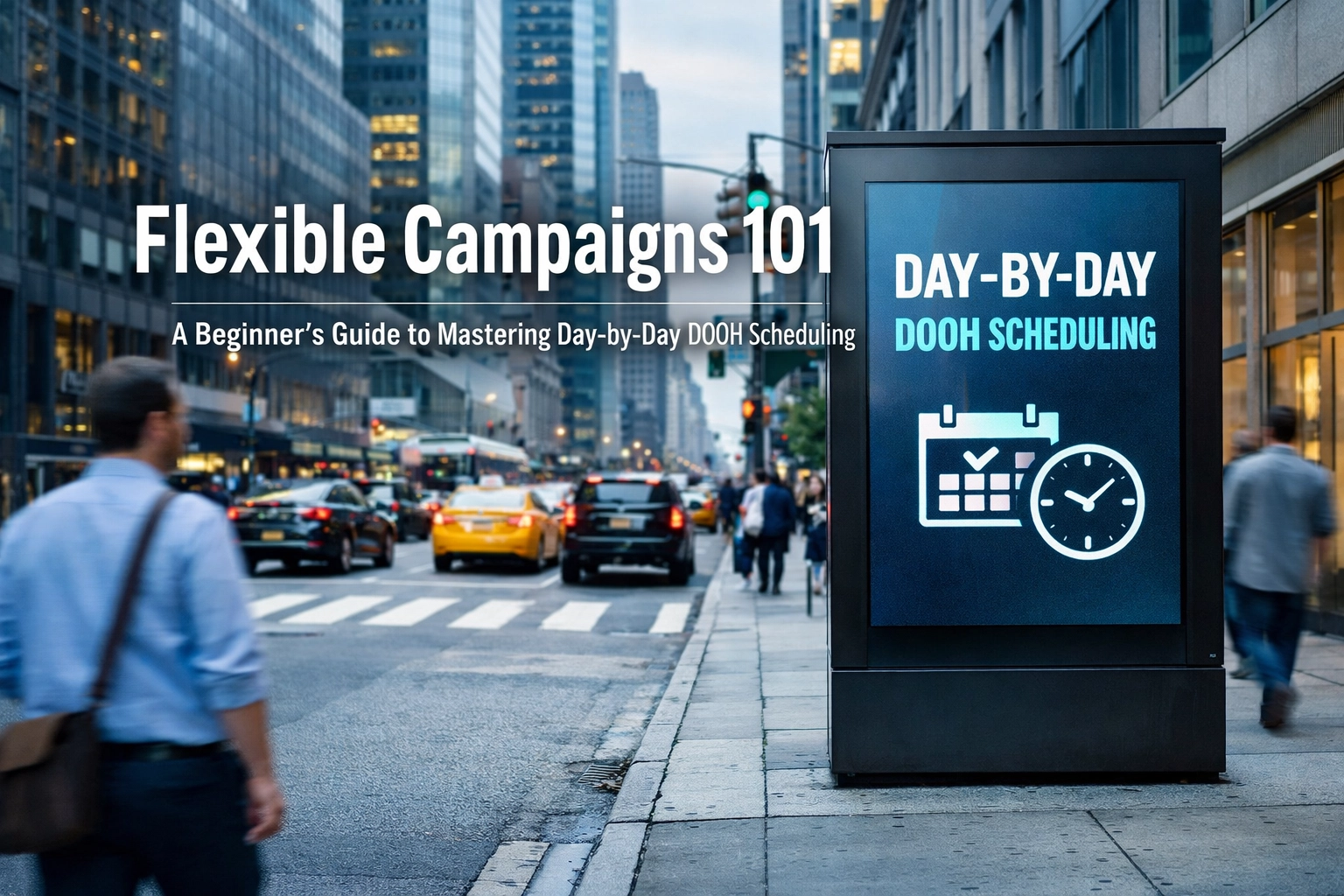
Remember when billboard advertising meant signing a month-long contract and crossing your fingers that your message would resonate? Those days are over. Digital out-of-home (DOOH) advertising has transformed outdoor campaigns from rigid, static commitments into dynamic, responsive marketing machines that adapt to your needs, hour by hour, day by day.
Let's cut through the complexity and show you exactly how flexible DOOH scheduling works and why it's become the go-to strategy for brands that want control, precision, and results.
What Day-by-Day DOOH Scheduling Actually Means
Day-by-day DOOH scheduling gives you the power to control when, where, and how your ads display across digital screens. Instead of locking yourself into a weeks-long commitment with the same creative, you can adjust your campaign daily, or even hourly, based on performance, weather conditions, special events, or business priorities.
Think of it like having a light switch for your outdoor advertising. Want to push lunch specials during peak dining hours? Done. Need to cancel ads during a rainstorm for your outdoor event? Easy. Looking to blanket sports bars only on game days? You got it.
This level of control happens through programmatic platforms that connect your campaign to networks of digital screens. You select your target locations, define your radius (anywhere from 2.5 to 50 miles), set your schedule, and let the technology handle the rest.
Why Flexibility Changes Everything for Advertisers
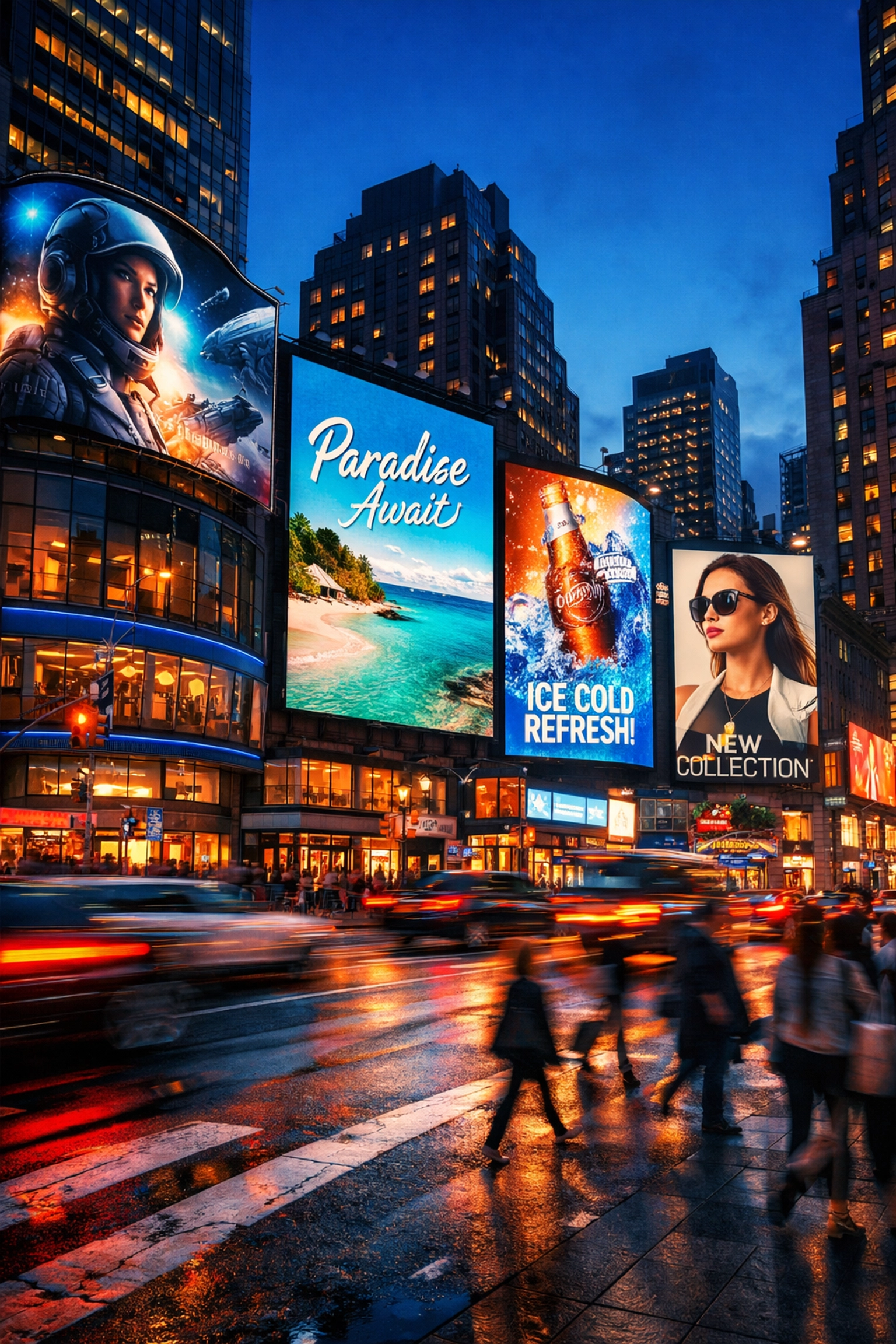
Traditional outdoor advertising forced you to make decisions weeks in advance. You'd commit to a location, pay upfront, and hope market conditions remained favorable. If your promotion ended early, your budget ended later, or a competitor launched something game-changing? Too bad.
Flexible scheduling flips this model entirely. You gain real-time adaptability that mirrors the speed of digital marketing. Your campaigns become responsive, not reactive.
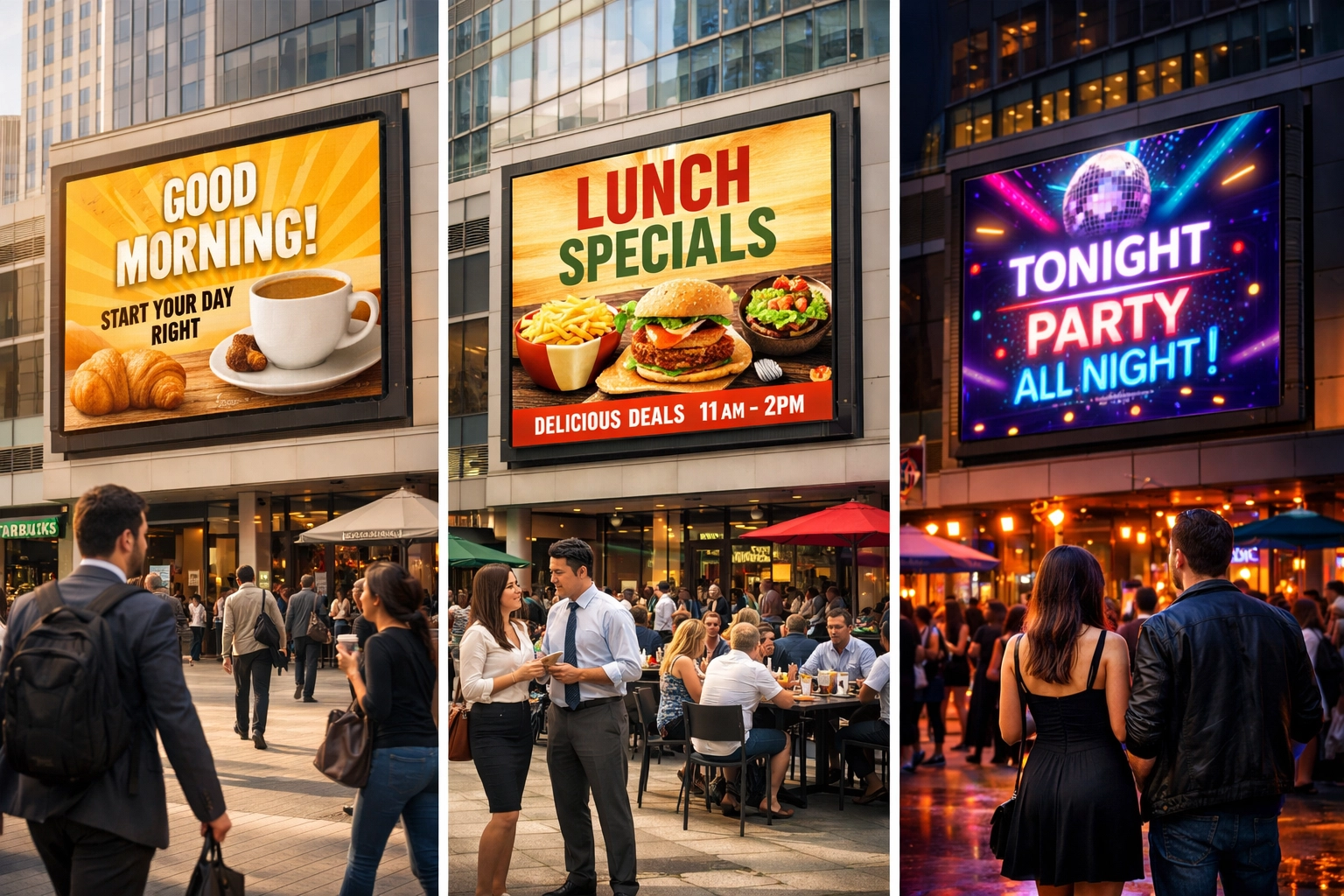
Consider a restaurant chain operating across New York, Los Angeles, and Paris. With day-by-day scheduling, you can promote breakfast items from 6-10 AM, lunch specials from 11 AM-2 PM, and happy hour from 4-7 PM, all with different creative and messaging tailored to each daypart. When a location runs low on inventory for a featured item, you swap the creative instantly.
This responsiveness extends beyond time of day. Weather triggers let you adjust campaigns based on conditions. Event triggers activate ads surrounding concerts, sports games, or conferences. You're not just scheduling ads, you're orchestrating a dynamic conversation with your audience based on real-world context.
Key Components That Make Flexible Campaigns Work
Understanding the building blocks of flexible DOOH helps you leverage the technology effectively. Here's what powers your day-by-day control:
The Platform: Your campaign lives on a demand-side platform (DSP) that connects you to available digital screens. You browse inventory by location, screen type, and audience reach, then select the venues that align with your target market. Whether you're reaching grocery store shoppers, transit commuters, or fitness center members, the platform shows you exactly where your ads will display.
Data-Driven Targeting: Modern DOOH scheduling relies on location intelligence and audience movement patterns. You're not guessing where your customers are, you're using behavioral data to target specific venues and high-traffic areas. A medical practice in Munich can reach screens within a 5-mile radius of its location. A retail brand can target shopping districts across Hong Kong during peak hours.
Dynamic Creative Management: Your scheduling platform manages multiple creative versions and automatically serves the right message at the right time. Upload different assets for morning, afternoon, and evening. Create weather-specific variations. Build event-triggered content. The system handles the rotation based on rules you define.
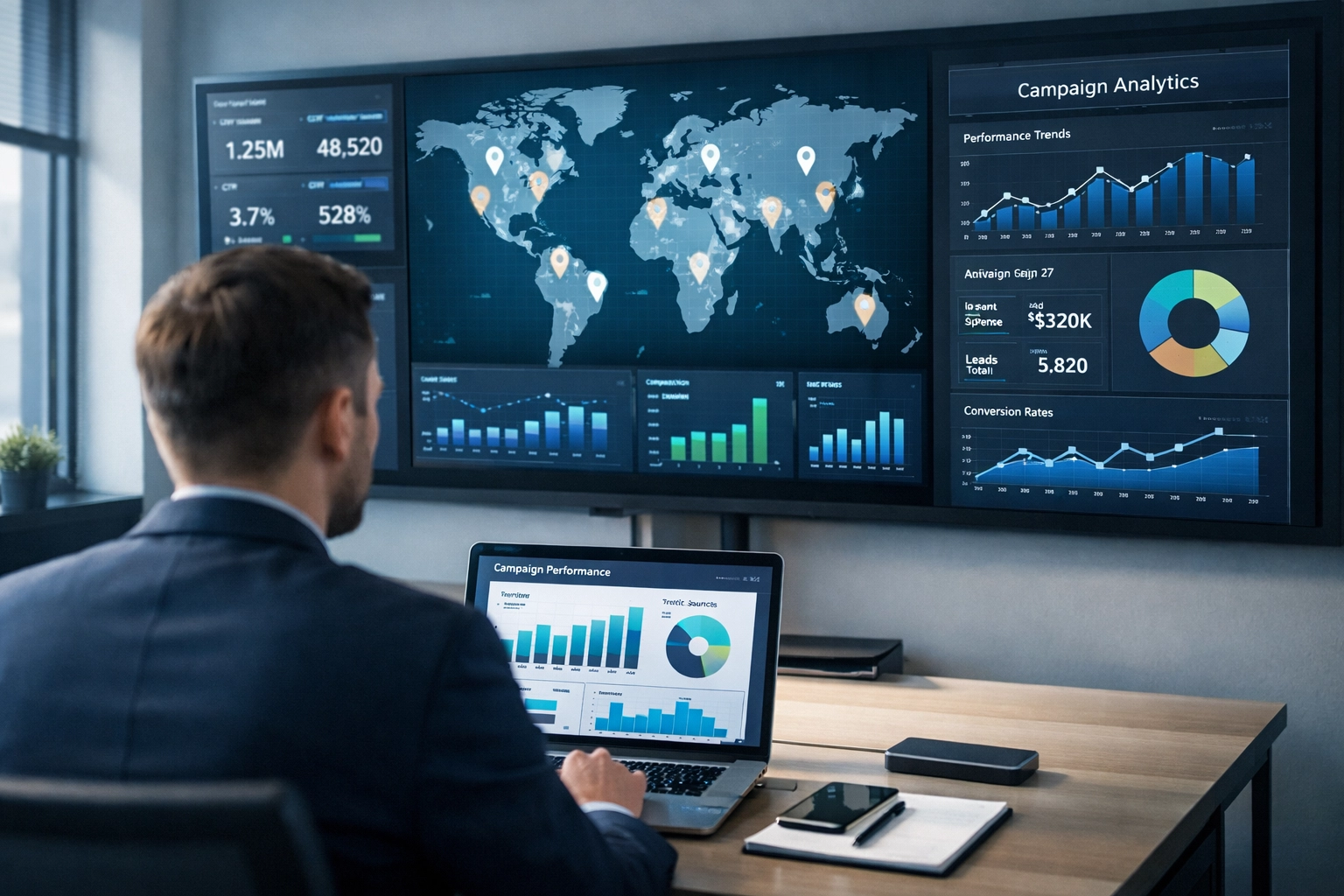
Pricing Flexibility: Most flexible DOOH campaigns use CPM (cost per thousand impressions) or duration-based pricing. You pay for actual performance rather than fixed time blocks, giving you budget control that scales with your needs. Running a test campaign? Start small. Seeing strong results? Scale up immediately.
Practical Scheduling Strategies That Drive Results
Now let's get tactical. Here are proven strategies you can implement immediately:
Master the Art of Dayparting: Break your day into strategic windows. Morning commuters see different messaging than lunch-hour shoppers or evening entertainment seekers. A coffee brand might push morning energy messages at transit stations from 6-9 AM, then switch to afternoon pick-me-up creative at office buildings from 2-4 PM.
Match Creative to Location Context: The same product requires different messaging depending on where and when it displays. Ads near gyms emphasize energy and performance. Ads near grocery stores focus on convenience and value. Screens in transportation hubs catch people in transit-mode thinking. Tailor your message to the mindset of your viewer in that specific moment.
Leverage Event-Based Activation: Identify recurring events that matter to your audience: sports games, concerts, conferences, farmers markets. Schedule your campaigns to activate only when these events occur. A sports bar in Italy can target screens within a 10-mile radius exclusively during Serie A match days, maximizing relevance and minimizing wasted impressions.
Implement Weather Responsiveness: Weather dramatically affects consumer behavior and ad receptiveness. Use weather triggers to display umbrellas during rain, promote iced coffee on hot days, or pause outdoor event ads when storms approach. This contextual relevance increases engagement while optimizing your budget.
Test, Learn, Optimize: Run A/B tests by splitting your audience across different creative versions, locations, or time windows. Let one zone see version A while another sees version B. After a few days, analyze which performed better and shift more budget to the winner. Flexible scheduling makes this continuous optimization possible.
Coordinate Cross-Channel Timing: Align your DOOH schedule with other marketing channels. When your social media campaign peaks on Friday afternoon, boost your DOOH presence near target venues during the same window. When your email campaign drops Tuesday morning, support it with DOOH visibility throughout the day.
Measuring Success in Flexible Campaigns
You can't improve what you don't measure. Track these key metrics to evaluate your day-by-day scheduling effectiveness:
Impressions: The foundational metric: how many people viewed your ad. Modern platforms provide impression counts based on screen location, traffic patterns, and dwell time. Watch for patterns: which dayparts generate the most impressions? Which locations outperform others?
Engagement Actions: QR code scans, app downloads, website visits during campaign periods. These direct responses indicate not just visibility but interest. Compare engagement rates across different schedules to identify your most effective time windows.
Foot Traffic Attribution: Advanced measurement connects DOOH exposure to physical store visits. If you're targeting screens within 5 miles of your Los Angeles locations, track whether exposed audiences visit more frequently than unexposed groups.
Creative Performance: When you rotate multiple creative versions, monitor which generates better results. Maybe your humorous approach outperforms your serious one during evening hours but underperforms during morning commutes. Use this intelligence to refine your scheduling strategy.
Real-World Applications Across Industries
Flexible DOOH scheduling works across virtually every business category. Here's how different sectors apply day-by-day control:
Retail: A fashion retailer activates weekend-only campaigns near shopping districts, adjusting creative to highlight current in-store promotions. When inventory shifts, creative updates the same day.
Healthcare: Medical practices target screens near complementary businesses: pharmacies, fitness centers, health food stores: during hours when their offices accept appointments, with different messaging for new patients versus returning clients.
Restaurants: Fast-casual chains run breakfast, lunch, and dinner campaigns with meal-specific creative and offers. On rainy days, delivery-focused messaging automatically replaces dine-in promotions.
Entertainment: Movie theaters activate campaigns only on release weekends, targeting screens within a 20-mile radius of their locations with showtimes and ticketing CTAs that update based on remaining seats.
Getting Started with RAMM's Global Network
Ready to launch your first flexible DOOH campaign? RAMM operates across major markets: New York, Los Angeles, Hong Kong, Paris, Munich, and Italy: giving you access to premium digital screens in high-traffic venues worldwide.
Start by identifying your target locations. What venues matter most to your business? Grocery stores, transportation hubs, fitness centers, restaurants, medical offices? RAMM's hyper-targeted approach lets you reach any venue or digital sign within your chosen radius, from 2.5 to 50 miles.
Next, map your scheduling needs. Do you need continuous coverage or specific dayparts? Are there events or conditions that should trigger activation? Build your schedule around the behaviors and patterns of your ideal customer.
Then create flexible creative. Develop multiple versions optimized for different contexts: time of day, weather conditions, location types. The more variations you have, the more precisely you can match message to moment.
Finally, commit to continuous optimization. Review performance daily during your first week, then weekly as patterns emerge. Shift budget toward high-performing time slots and locations. Test new creative variations. Adjust your radius or venue selection based on results.
The beauty of flexible DOOH scheduling is that nothing is permanent. Every decision can be revisited and revised based on what you learn. This agility transforms outdoor advertising from a long-term commitment into a responsive, performance-driven channel.
Your Next Move
Day-by-day DOOH scheduling puts you in the driver's seat of your outdoor advertising. You control the when, where, and what of your campaigns with a precision that was impossible just a few years ago. Whether you're targeting a single city or running coordinated campaigns across continents, flexible scheduling gives you the adaptability modern marketing demands.
Stop letting your outdoor advertising run on autopilot. Start scheduling with purpose, responding to opportunities, and optimizing based on real performance data. Your campaigns: and your budget: will thank you.
Ready to experience the power of flexible DOOH scheduling? Explore how RAMM can help you launch hyper-targeted campaigns that adapt to your business needs, day by day.

