
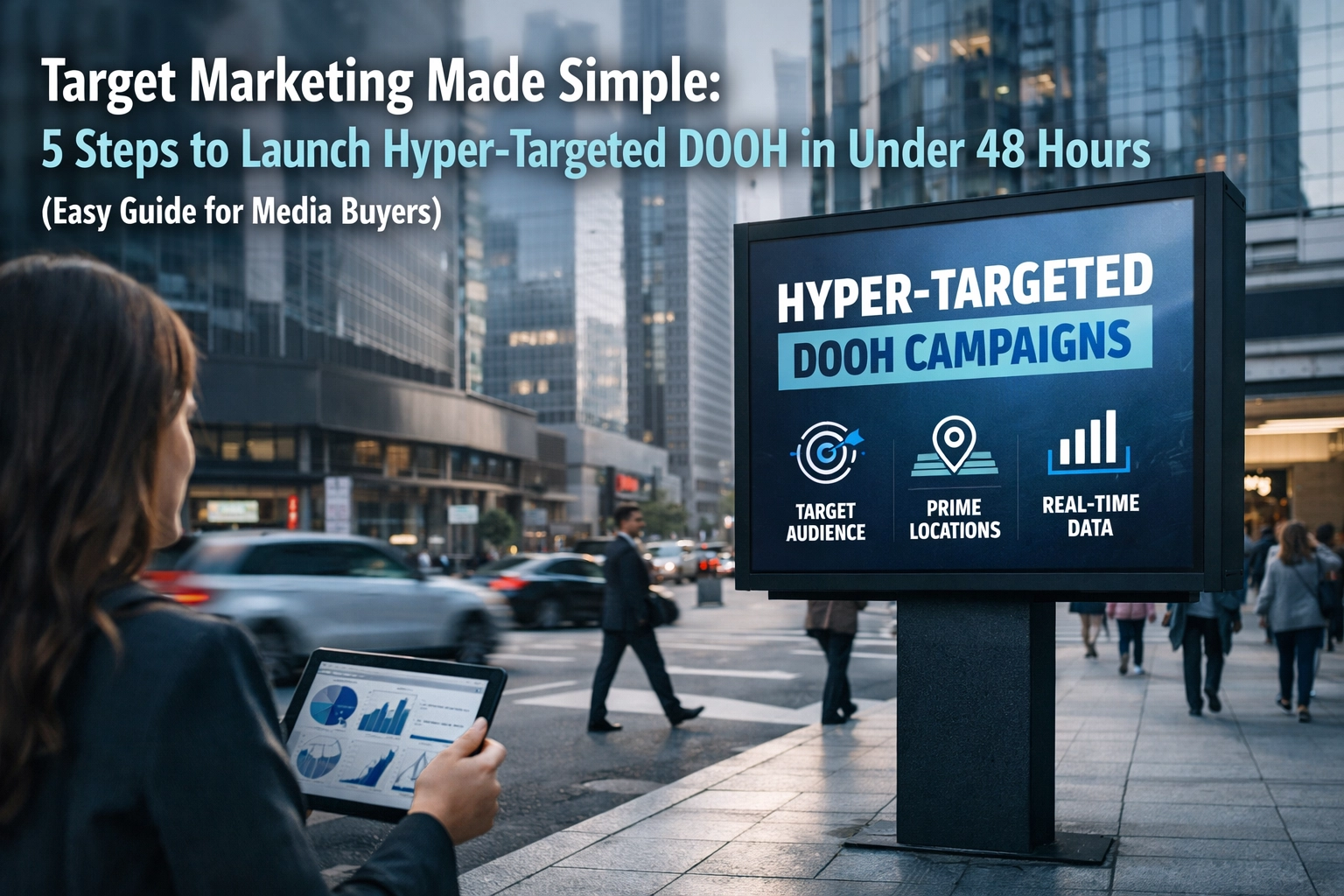
You've got 48 hours to launch a campaign. Your client expects results. Your boss wants precision. The old spray-and-pray billboard approach won't cut it anymore.
Welcome to hyper-targeted digital out-of-home advertising, where you can reach the exact audience you need, whether they're grabbing coffee in Manhattan, shopping in Hong Kong, attending a concert in Paris, or stuck in traffic in Los Angeles. No wasted impressions. No guesswork. Just strategic, data-driven placement that delivers.
Let's walk through the exact five-step process media buyers use to launch sophisticated DOOH campaigns in under two days.
Step 1: Define Your Campaign Goals and Identify Your Ideal Audience
Start with crystal-clear objectives. Are you building brand awareness for a luxury product launch? Driving foot traffic to a specific store location? Promoting a seasonal offer? Conquesting competitor locations? Your goal determines everything that follows.
Next, build your audience profile with surgical precision. Think beyond basic demographics. Layer in behavioral patterns, geographic preferences, and contextual triggers. Your target isn't just "women aged 25-40": it's health-conscious professionals who visit organic grocery stores within 5 miles of downtown, commute during morning rush hour, and respond to weather-based promotions.
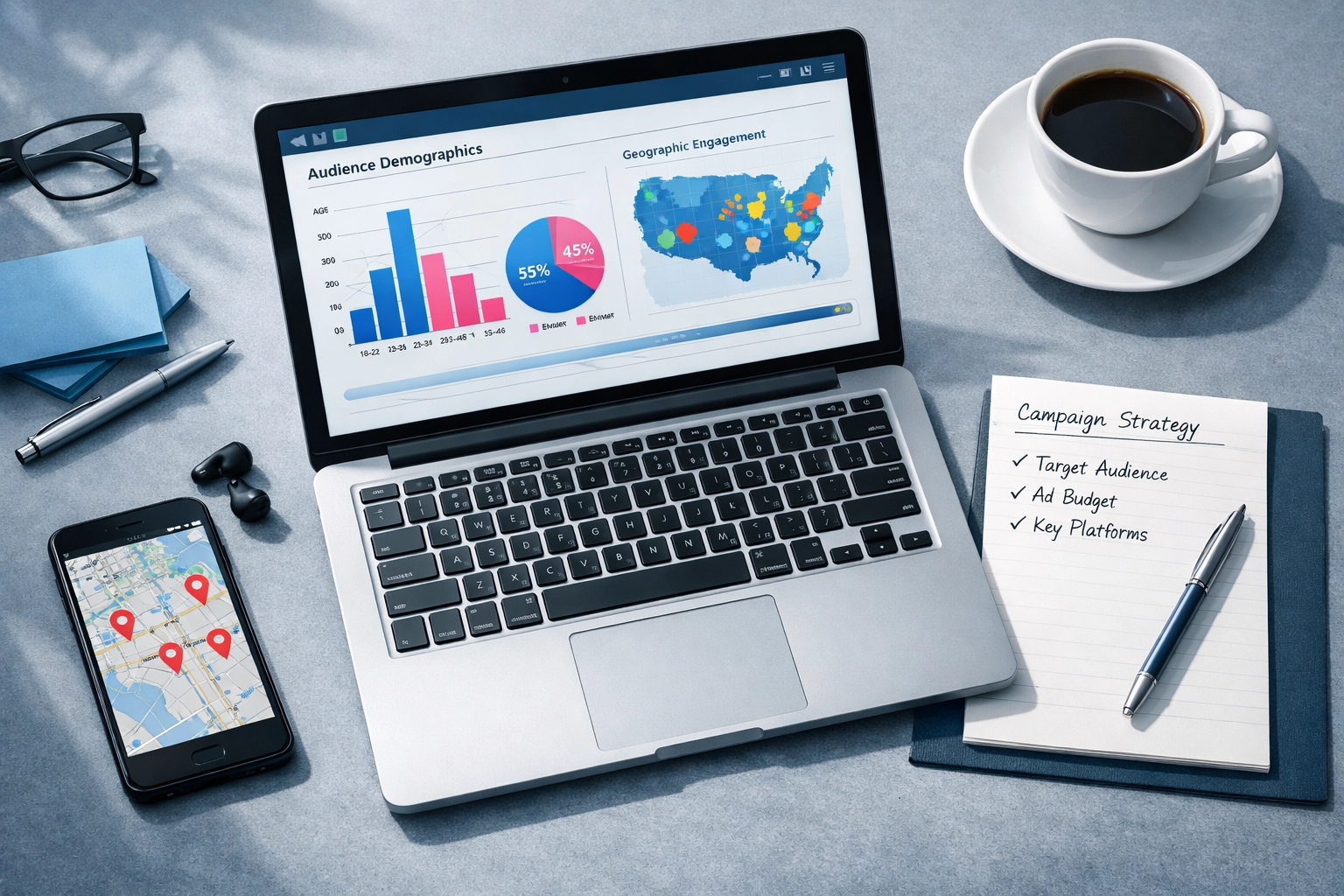
The beauty of modern DOOH platforms is the granularity. You can target specific venue types: medical offices for pharmaceutical campaigns, sports bars for beverage brands, transportation hubs for travel services, or upscale restaurants for luxury goods. Research shows that location data improves conversion rates by 60% and advertising ROI by 68%. That's the difference between guessing and knowing.
Define your radius parameters early. RAMM's flexible targeting lets you choose anywhere from 2.5 to 50 miles around your priority locations. Targeting a specific neighborhood? Go tight with 2.5 miles. Building regional awareness? Expand to 50 miles. This flexibility means you control reach without sacrificing relevance.
Step 2: Match Screen Locations to Your Audience Demographics
Now you're ready to identify where your target audience actually spends time. Advanced DOOH platforms provide detailed audience composition data for every screen location: age breakdowns, gender ratios, income levels, lifestyle indicators, and mobility patterns.
Position premium screens in high-value locations for luxury campaigns. Place high-traffic screens in busy commercial districts for mass-market products. Target grocery stores for CPG brands, fitness centers for wellness products, or business districts for B2B services.
Geography matters more than you think. RAMM's global footprint across New York, Los Angeles, Hong Kong, Paris, Munich, and Italy means you can execute coordinated international campaigns or hyper-local neighborhood activations: all from a single platform. Launch in Midtown Manhattan while simultaneously targeting the Marais district in Paris. That's scale meeting precision.
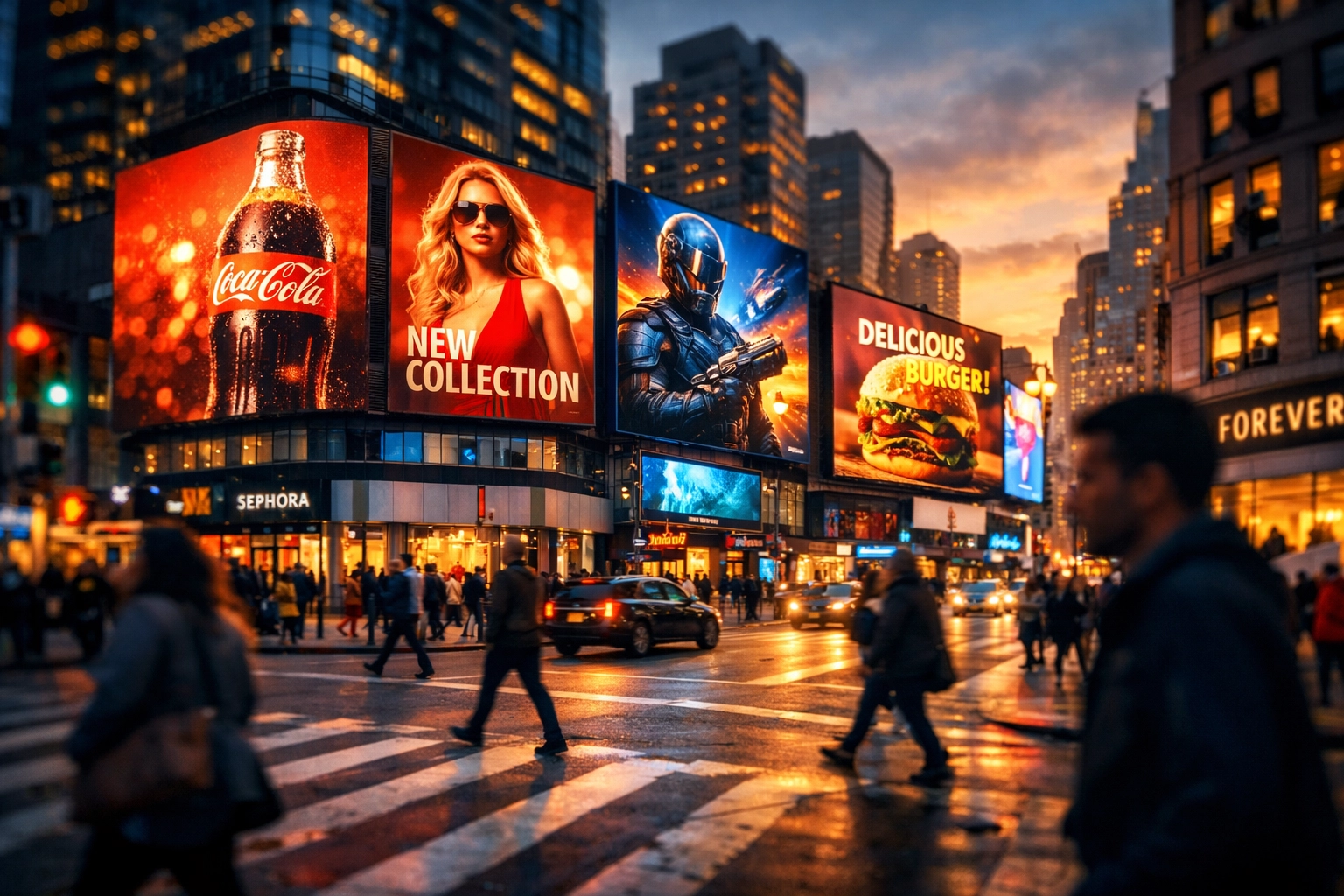
Don't overlook venue-specific opportunities. Medical waiting rooms offer captive audiences with specific health interests. Airport terminals reach affluent travelers making purchase decisions. Gas station convenience stores capture impulse buyers at point-of-sale moments. Each venue type delivers unique audience characteristics and engagement opportunities.
Create a prioritized list of screen locations ranked by audience match quality, traffic volume, and cost efficiency. Your first 20 locations should be absolute bulls-eyes for your target demographic. The next 30 can expand reach while maintaining relevance.
Step 3: Activate Programmatic Targeting Parameters
Set up your targeting parameters with the precision of a sniper, not a shotgun. Modern programmatic DOOH platforms let you layer multiple targeting dimensions simultaneously.
Start with geo-fencing around priority locations. Create virtual boundaries around competitor stores, event venues, shopping districts, or any physical location where your target audience congregates. When someone enters that zone, your message appears on nearby screens.
Add behavioral targeting based on visit patterns and mobility data. Reach frequent visitors to specific venue types: people who regularly shop at premium retailers, dine at upscale restaurants, or attend cultural events. These behavioral signals indicate purchasing power and lifestyle preferences.
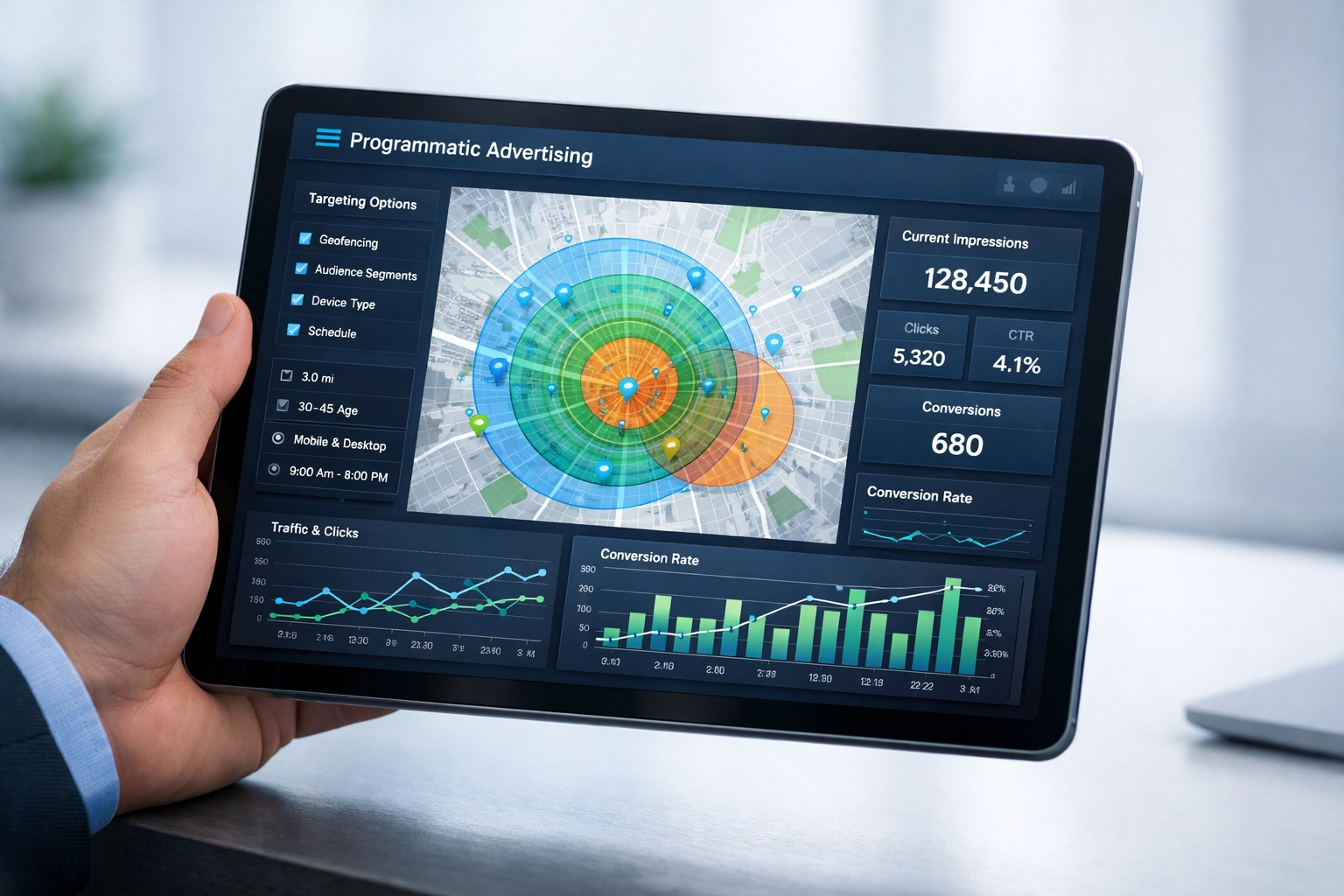
Implement look-alike targeting to find screens that over-index for your customer profile. If your best customers visit artisanal coffee shops and boutique fitness studios, identify similar audiences in new markets. This expands reach while maintaining audience quality.
Layer in temporal targeting. Schedule campaigns for specific days, hours, or dayparts when your audience is most receptive. Breakfast promotions run during morning commutes. Happy hour ads appear between 4-7 PM. Weekend event promotions activate Friday through Sunday only.
Here's where RAMM's flexible scheduling truly shines: set continuous campaigns that run daily, weekly campaigns that activate on specific days, or event-triggered campaigns that launch automatically based on real-world conditions. That agility transforms static advertising into dynamic conversation.
Step 4: Deploy Dynamic, Contextually Relevant Creative
Generic creative gets ignored. Contextually relevant messages get results: an average 17% boost in ad effectiveness.
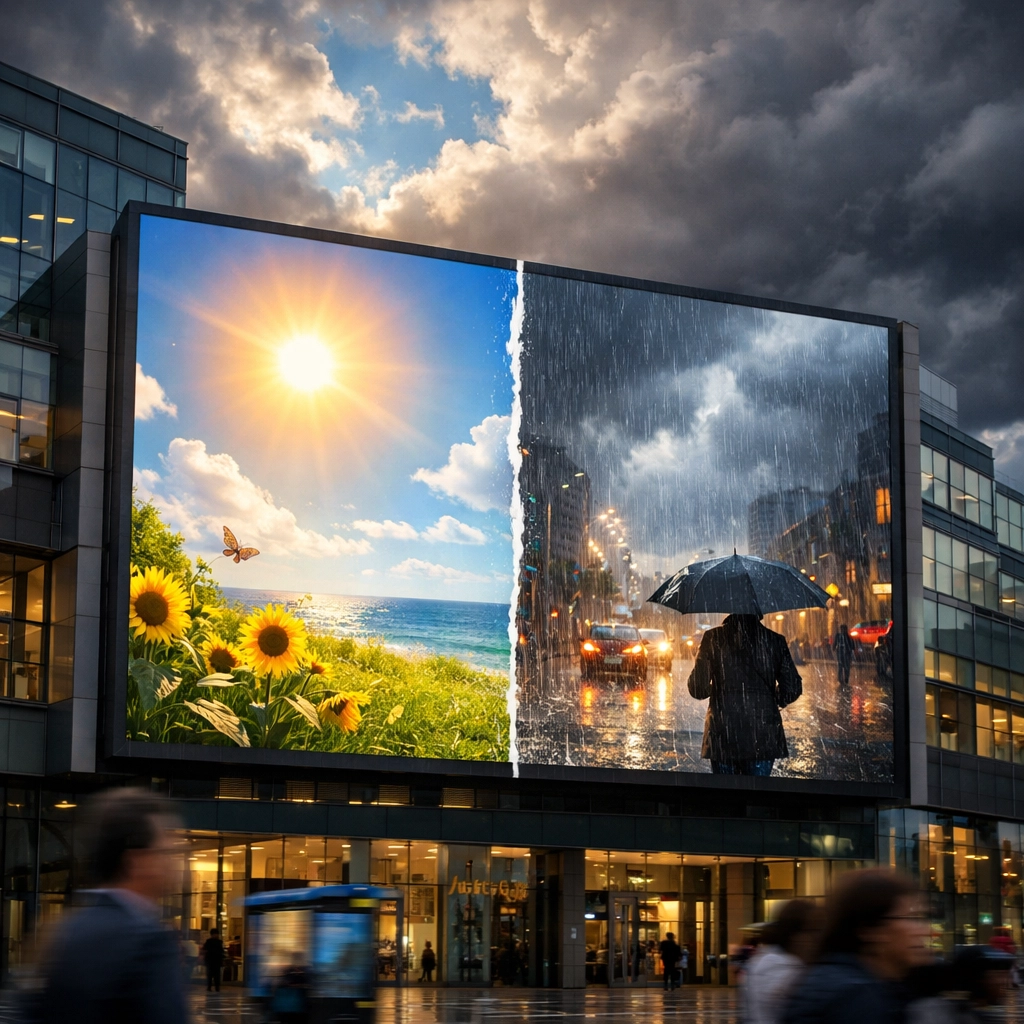
Build creative variations triggered by real-time conditions. Weather-responsive campaigns promote umbrellas during rain, sunscreen on sunny days, or hot beverages when temperatures drop. Time-based messaging shifts breakfast offers in morning, lunch specials at midday, and dinner promotions in evening hours.
Location-specific content addresses local context. Screen near a sports stadium? Reference the home team. Placement in a financial district? Use business-focused language. Screens in family neighborhoods? Highlight kid-friendly benefits. This localization makes every impression feel personally relevant.
Event-triggered campaigns activate during concerts, sporting events, conferences, or local happenings. When a major event draws crowds, your message appears automatically on surrounding screens, capturing elevated attention and foot traffic.
RAMM's weather-based adjustments take this further: cancel outdoor campaigns during storms, intensify winter product promotions during cold snaps, or boost summer offerings during heat waves. Your budget only deploys when conditions optimize results.
Create 3-5 creative variations addressing different contexts, audiences, or triggers. Dynamic creative optimization automatically serves the most relevant version based on real-time conditions. You're not interrupting people's day: you're enhancing it with timely, useful information.
Step 5: Add Clear Calls-to-Action and Establish Measurement
Every impression needs a next step. Include actionable elements that convert attention into engagement.
QR codes enable instant mobile interaction: scanning triggers website visits, app downloads, promotional offers, or location directions. They're trackable, measurable, and bridge physical advertising with digital conversion paths.
Display memorable URLs or vanity domains specific to the campaign. "Visit SummerSale.com" is easier to remember than a long, complex web address. Unique URLs also enable attribution tracking to measure DOOH-driven web traffic.
Social media handles encourage sharing and community building. Include your Instagram or TikTok handle with a campaign-specific hashtag. User-generated content from DOOH viewers becomes earned media amplifying your reach.
Location directions drive foot traffic. "2 blocks east" or "Exit 5B" guides interested viewers directly to your store, event, or activation. Pair with limited-time offers to create urgency: "Show this ad for 20% off, today only."
Research reveals that 80% of consumers take action after seeing compelling DOOH content. Your measurement framework should track when and where ads played, audience exposure estimates, post-exposure website visits, store traffic lifts, and conversion rates.
Set up attribution through mobile location tracking, promo code redemptions, QR scan analytics, and website traffic sources. Compare exposed versus unexposed audiences to isolate DOOH impact. Modern platforms provide detailed reporting showing exactly which locations, times, and creative variations drive the strongest results.
Launch Faster, Target Smarter
Hyper-targeted DOOH isn't complicated: it's systematic. Define your audience with precision. Match screens to demographics. Activate sophisticated targeting parameters. Deploy contextually relevant creative. Include clear calls-to-action and measure everything.
The 48-hour timeline is achievable when you follow this structured approach. Day one covers strategy, audience definition, and location selection. Day two handles creative preparation, parameter configuration, and campaign activation. By hour 48, your campaign is live and optimizing.
The real competitive advantage comes from platforms offering true flexibility: granular radius targeting from 2.5 to 50 miles, any venue type, flexible scheduling options, event and weather triggers, and global reach spanning major markets worldwide.
Ready to launch your first hyper-targeted DOOH campaign or scale your existing efforts? RAMM combines precision targeting with global reach across New York, Los Angeles, Hong Kong, Paris, Munich, and Italy. Whether you're testing a neighborhood activation or executing an international brand push, you'll have the tools to target any venue, business, or digital sign with unmatched precision.
Stop guessing where your audience is. Start reaching them exactly where and when they're most receptive.

