
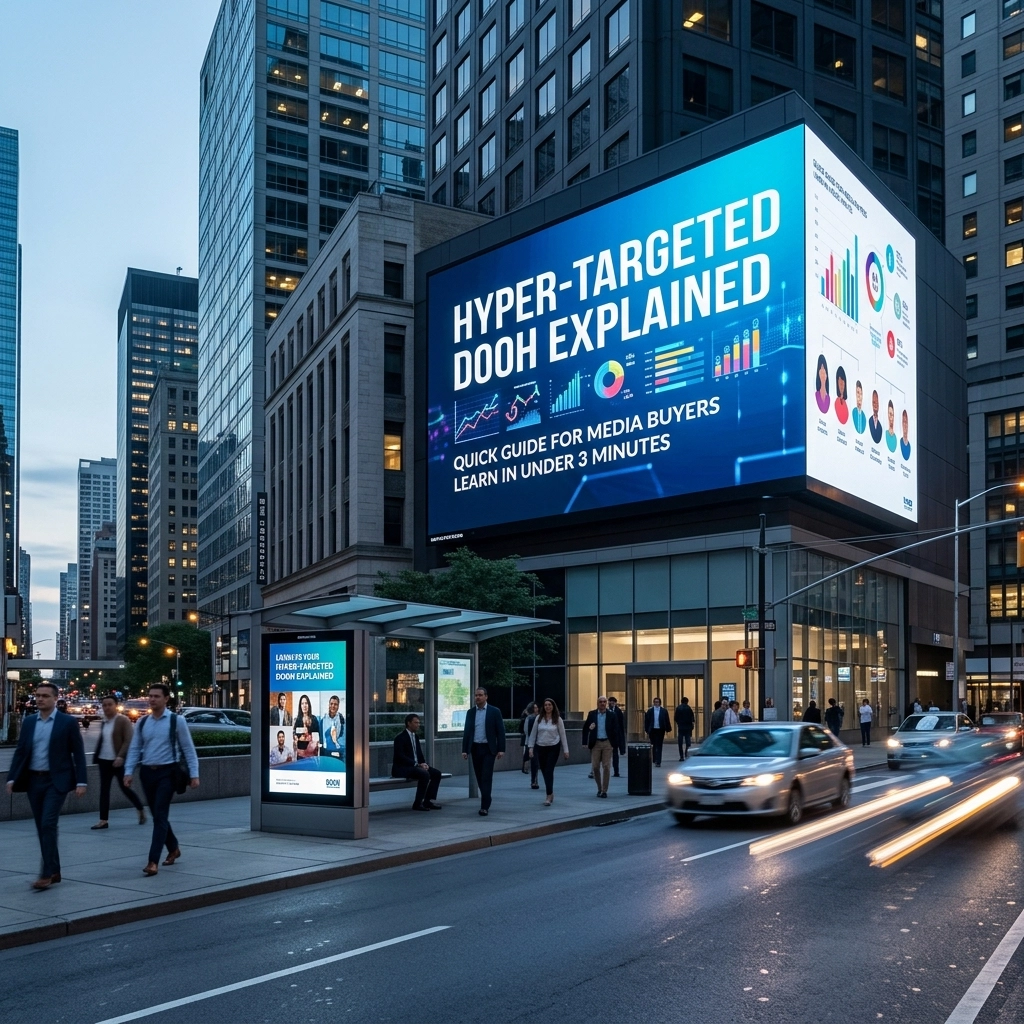
You are a media buyer in a world that moves at the speed of a fiber-optic connection. You don’t have time for the "spray and pray" tactics of the past. You need precision, you need scale, and you need it to work across multiple time zones. Digital Out-of-Home (DOOH) has evolved far beyond the static highway billboard. It is now a surgical tool for modern marketing.
If you have three minutes, you can master the fundamentals of hyper-targeted DOOH. If you have ten, you can learn how to dominate your market using the global infrastructure provided by RAMM.
The 3-Minute Essence: What is Hyper-Targeted DOOH?
In its simplest form, hyper-targeted DOOH is the marriage of digital outdoor displays with high-fidelity audience data. Instead of buying a "location," you are buying an "audience" that happens to be at that location at a specific time.
Traditional OOH tells you how many cars drive past a sign. Hyper-targeted DOOH tells you who is in those cars, where they are going, and what they care about. By layering demographic and behavioral data over physical screens, you eliminate wasted impressions and ensure your budget is spent only on the eyes that matter.
At RAMM, we take this further. We provide a single platform to scale campaigns across the world’s most influential cities: New York, Los Angeles, Hong Kong, Paris, Munich, and Italy.
Step 1: Master the Radius and Venue Targeting
The first rule of hyper-targeting is understanding proximity. When you plan a campaign, you shouldn't be limited by broad zip codes or entire cities. You need to think in terms of a radius.
With RAMM’s technology, you can set a targeting radius anywhere from 2.5 miles to 50 miles around a specific point of interest. This allows for an incredible level of granularity.
Imagine you are launching a high-end athletic apparel line. You don’t just want "outdoor" ads in Los Angeles. You want screens inside or directly adjacent to:
- Boutique fitness studios and gyms.
- Healthy fast-casual restaurants.
- High-traffic running paths.
- Sports bars during major playoff games.
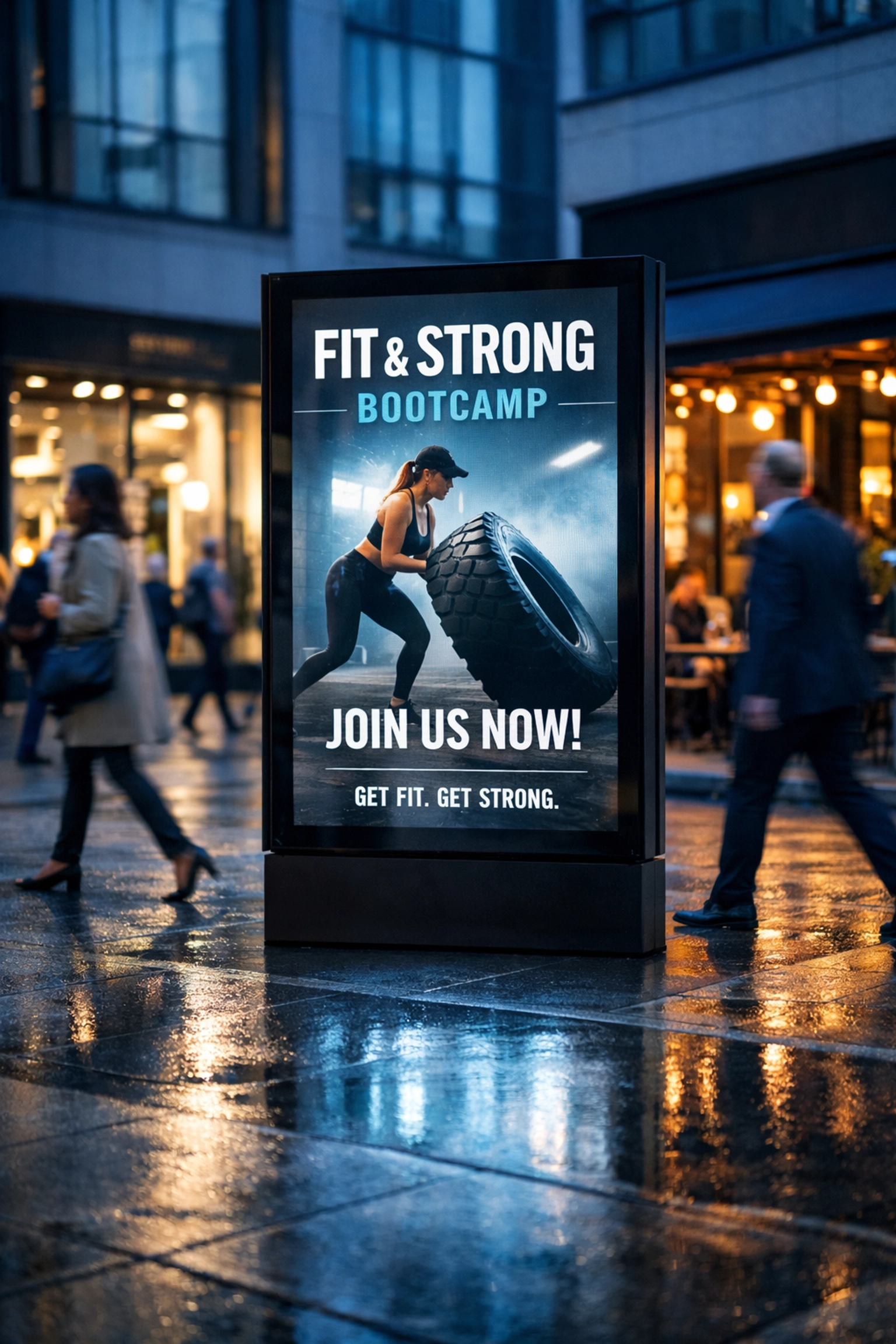
By focusing on specific venues: grocery stores, transit hubs, medical offices, or restaurants: you place your brand in the context of your customer's daily life. This isn't just advertising; it's contextual relevance.
Step 2: Use Data to Define Your Audience
Precision is the enemy of waste. To get the most out of your DOOH spend, you must define your audience using more than just age and gender. You need to look at behavioral patterns.
Are you looking for SaaS directors who frequent tech hubs in Munich? Or are you looking for luxury shoppers in the heart of Paris? By using real-time data signals, you can identify where these specific segments congregate.
Instead of reaching 10,000 random commuters, you reach the 500 people who actually have the authority to sign a contract or buy your product. This shift from "mass" to "math" is what separates profitable media buyers from those just checking boxes.

Step 3: Implement Flexible Scheduling and Triggers
One of the biggest advantages of digital over static is the ability to pivot in real-time. If you are still running ads for cold beverages while a sudden thunderstorm hits New York, you are wasting money.
Weather Triggers:
You can set your campaign to activate or change creative based on local weather conditions. Is it raining in London? Switch your creative to highlight umbrellas or indoor entertainment. Is there a heatwave in LA? Push the iced coffee ads. This level of responsiveness keeps your brand helpful and relevant.
Event-Based Triggers:
Align your campaigns with live events. If a major conference is happening in Hong Kong, your ads can trigger specifically around the convention center and surrounding hotels only during the hours of the event.
Flexible Scheduling:
You are no longer locked into "standard" flight dates. If you want to run a campaign for four hours every Tuesday because that’s when your target audience visits the grocery store, you can. This flexibility allows you to stretch a modest budget into a high-impact, high-frequency surgical strike.
Step 4: Scale Globally with a Single Platform
The biggest headache for global media buyers is the fragmentation of markets. Dealing with different vendors in Italy, Germany, and the US is a logistical nightmare.
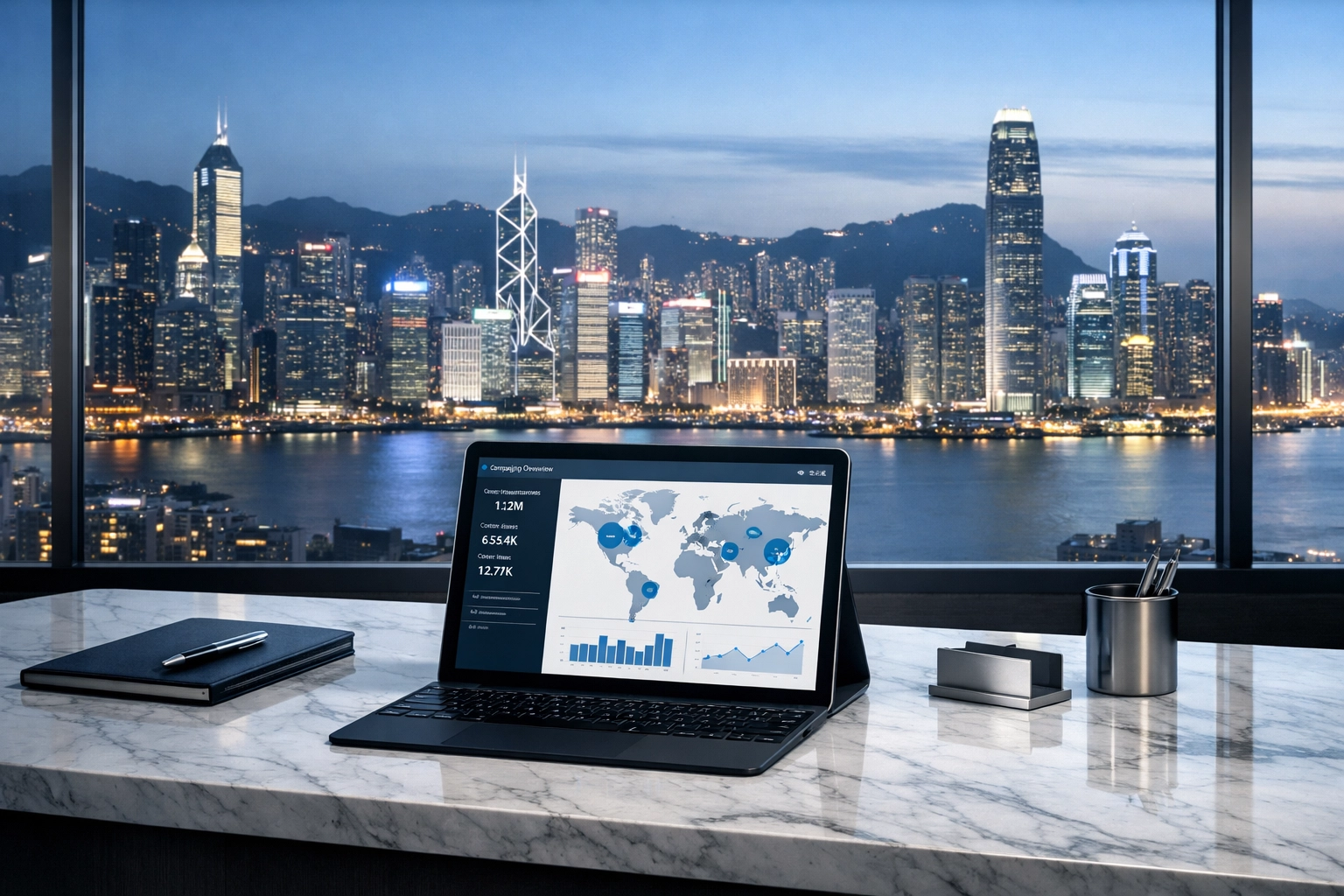
RAMM simplifies this by offering a global footprint. Whether you are scaling campaigns worldwide or focusing on a hyper-local 2.5-mile radius in Munich, the process remains the same. You use one dashboard to manage your creative, your budget, and your reporting across continents.
Step 5: The Strategy of Continuous Optimization
Hyper-targeted DOOH is not a "set it and forget it" medium. Because it is digital, you receive data back that should inform your next move.
- Analyze Venue Performance: If screens in sports bars are driving higher engagement than those in transit hubs for your specific brand, shift your budget accordingly mid-campaign.
- Test Creative Variations: Run two different hooks in the same 5-mile radius and see which one results in more foot traffic or website visits.
- Adjust Radius Dynamically: You might find that a 10-mile radius is too broad for a local restaurant but a 25-mile radius is perfect for a regional furniture store.
Maintain a logical flow in your strategy. Start with a broad understanding of your goals, narrow down to the venue and radius, layer in your triggers, and then optimize based on the results.
Why Media Buyers Choose RAMM
The advertising landscape is cluttered. To stand out, you need to be where your customers are, but more importantly, you need to be there when they are most receptive.
Our platform is designed for the buyer who values simplicity and power. We remove the barriers to entry for international DOOH and provide the tools necessary for hyper-local precision. From New York to Hong Kong, we provide the digital signals that connect your brand to the world.
Actionable Takeaways for Your Next Campaign
- Stop buying by the board; start buying by the radius. Define your target zones between 2.5 and 50 miles based on actual customer travel patterns.
- Match the venue to the mindset. Don't just look for high traffic; look for high relevance. A medical office waiting room has a different audience mindset than a sports bar.
- Leverage triggers. Don't let your creative be static. Use weather and event triggers to make your ads feel "alive" and reactive to the world around them.
- Consolidate your global spend. Stop managing ten different vendors. Use one platform to reach LA, NY, HK, Paris, and beyond.
Conclusion: Elevate Your Buying Strategy
The transition to hyper-targeted DOOH is the single most effective way to modernize your media mix. It offers the visual impact of traditional OOH with the data-driven precision of digital search and social.
A well-executed DOOH campaign should linger in your audience's minds because it met them exactly where they were, at exactly the right moment. By using the tools and global reach provided by RAMM, you aren't just buying ads: you're buying results.
Ready to see how hyper-targeted DOOH can transform your next campaign? Explore our services or check out our latest projects to see the global impact in action.
Let’s scale your brand together. Visit RAMM Worldwide to get started.
We encourage you to share your thoughts or questions about hyper-targeted DOOH in the comments below. How has venue-based targeting changed your approach to media buying?

