
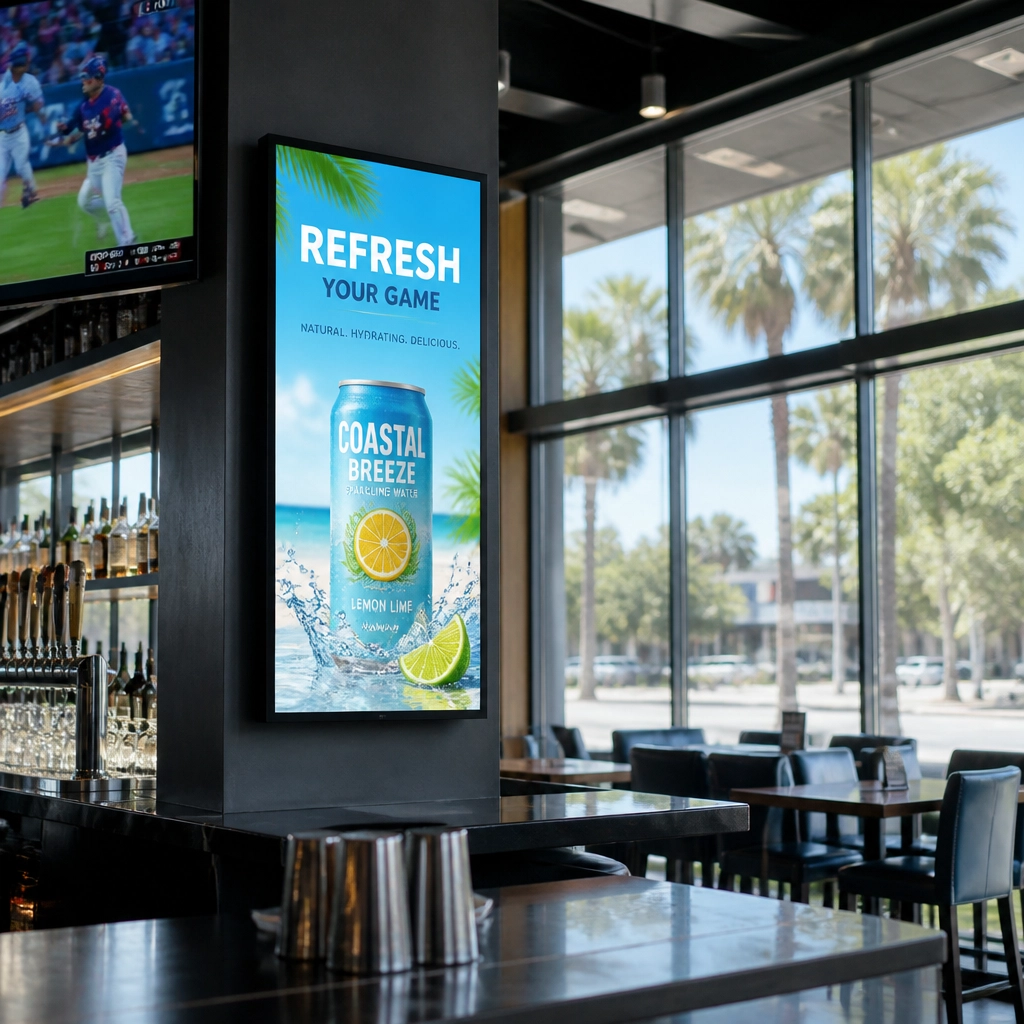
Reach sports fans when their attention is already focused, their emotions are high, and their next decision is close at hand. Sports venue-targeted digital out-of-home advertising gives you the precision to place your message around stadiums, sports bars, transportation hubs, and the routes fans take before and after the game.
The winning approach is not simply buying a screen near a venue. Build a coordinated campaign that follows the fan journey, responds to game-day conditions, and adjusts to the moment. With RAMM, you can target digital signs within a flexible radius of 2.5 to 50 miles, select relevant venue types, and schedule campaigns around events, weather, and daily audience behavior.
Start Where Sports Fans Gather
Sports audiences do not exist only inside stadiums. They gather at sports bars, restaurants, transit hubs, retail locations, hotel districts, and entertainment venues. Each setting creates a different opportunity to influence attention and action.
Use stadium and arena placements to build broad awareness around the event. These screens can create a strong association between your brand and the excitement of the game. Reach fans as they arrive, move through the venue, and leave with the experience still fresh.
Use sports bars to reach fans who are watching in a social environment. They are already discussing the game, ordering food and drinks, and responding to the energy around them. A well-timed offer can turn a moment of excitement into a visit, purchase, scan, or search.
Extend your campaign into nearby restaurants, grocery stores, convenience locations, and transportation hubs. These locations help you reach fans who may not attend the game but still follow the team, watch the broadcast, or participate in game-day routines.
A strong sports DOOH plan treats these locations as connected touchpoints rather than isolated screens. Build the full journey, and you give your brand more opportunities to stay relevant from pre-game anticipation through post-game conversation.
Use Radius Targeting to Control Your Reach
Choose the geographic range that matches your campaign objective. RAMM supports radius targeting from 2.5 to 50 miles around a location, giving you control over both hyper-local campaigns and broader regional strategies.
A tight 2.5-mile radius can help you reach fans near a stadium, arena, sports bar district, or retail destination. This approach works well when your goal is to drive immediate action, such as:
- Increasing traffic to a nearby restaurant
- Promoting a game-day product bundle
- Encouraging fans to visit a sponsor location
- Supporting a local retail promotion
- Reaching people walking or driving toward the venue
Expand the radius when you need to capture travelers, commuters, or fans coming from surrounding communities. A 10-mile, 25-mile, or 50-mile radius can help a national brand build market-level visibility around a major sporting event.
You can also combine radius targeting with venue selection. For example, target sports bars and restaurants within 5 miles of the stadium, then include transportation hubs and high-traffic digital signs within a wider 25-mile area. This creates layered reach without forcing you to buy every available screen.
Learn more about the strategic difference between radius targeting and venue targeting.

Schedule Around the Game-Day Journey
Avoid running one unchanged creative from morning to night. Match your message to the audience’s mindset at each stage of the event.
Pre-game: Build anticipation
Increase visibility before fans arrive. Use countdowns, location-based offers, product reminders, or messages that connect your brand with the upcoming experience.
A restaurant can promote reservations or early specials. A beverage brand can highlight a product for watch parties. A retailer can advertise snacks, apparel, or last-minute essentials.
Arrival: Make the message useful
As fans move toward the venue, provide a clear reason to act. Promote nearby locations, fast-service options, parking-related offers, or products that support the event experience.
Keep the creative simple. Use a short headline, strong visual contrast, and one direct action. Fans in motion do not have time to process a crowded message.
During the game: Respond to attention peaks
Coordinate creative with scheduled breaks, halftime, intermissions, or other natural pauses. Sports bars and indoor venue screens can support limited-time promotions that align with the viewing experience.
Use QR codes carefully when the audience has enough dwell time to interact. A bar screen or concourse display may support a mobile offer, contest, product page, or loyalty sign-up. Make the benefit immediate and easy to understand.
Post-game: Extend the emotional moment
The game may be over, but fan attention continues. Use post-game messaging to encourage a late meal, celebrate a win, promote a next-day offer, or connect the brand with the conversation fans are already having.
Flexible scheduling allows you to run continuous campaigns for ongoing visibility or daily custom campaigns for specific events and promotions. That control helps you align spend with the moments that matter most.
Trigger Creative When the Event Changes
Event-triggered DOOH makes your campaign feel timely instead of generic. Build creative variations in advance, then activate the right message when the relevant condition occurs.
Consider triggers such as:
- Game start and end times
- Pre-game arrival windows
- Halftime or intermission
- Overtime or extended play
- A home-team win
- A major event or tournament
- Venue attendance changes
- Local traffic conditions
- A rescheduled or canceled outdoor event
A brand can prepare celebratory creative for a win, a limited-time offer during a break, and a neutral version for routine programming. Each message can run in the locations and time windows most likely to influence action.
This is especially valuable for media buyers managing multiple markets. Instead of manually changing every placement, you can plan a structured campaign framework that adjusts to the event schedule and local conditions.
For a deeper look at event-based strategy, review RAMM’s guide to event-based DOOH campaigns.
Let Weather Improve the Timing
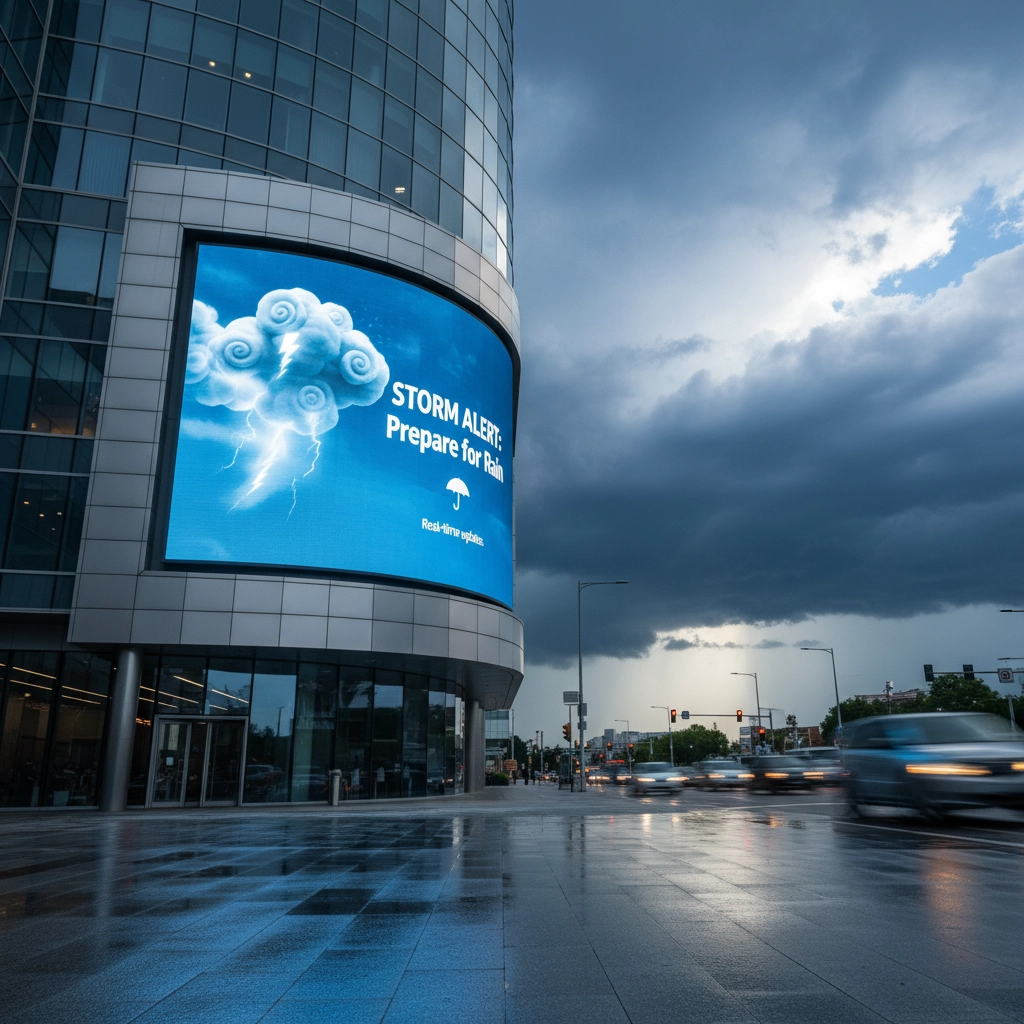
Weather can change the way fans travel, gather, shop, and spend time around an event. Use weather triggers to keep your message aligned with real-world conditions.
If rain threatens an outdoor game, adjust creative to promote indoor viewing at nearby sports bars. If a storm causes an event cancellation, pause outdoor-focused messaging or switch to a rescheduled-event announcement. When temperatures rise, promote cold beverages, hydration, outdoor dining, or cooling products.
Weather-based adjustments also help protect your budget. You do not need to continue promoting an outdoor experience when conditions make it less attractive or less accessible. Instead, shift the message toward a relevant alternative.
RAMM supports campaign strategies that combine event timing with weather-based decisions. That means you can create rules such as:
- Run outdoor event creative only when precipitation stays below a chosen threshold
- Promote indoor viewing when rain is expected
- Increase beverage messaging during heat
- Pause an event promotion if severe weather disrupts attendance
- Switch from pre-game messaging to rescheduled-event creative when necessary
Read more about weather-triggered DOOH campaigns.
Build Global Consistency with Local Precision
Your brand may operate across multiple markets, but sports fans respond to local context. RAMM supports campaigns across New York, Los Angeles, Hong Kong, Paris, Munich, and Italy, helping you coordinate a global presence while adapting the message to each market.
Use a consistent visual identity and campaign idea across regions. Then customize the details that make the message feel local:
- The venue or neighborhood
- The local event schedule
- The relevant language or offer
- The radius around the target location
- The weather conditions
- The timing of fan movement
- The preferred venue types
This balance matters for large consumer brands and agencies managing complex media plans. You can maintain brand control while giving each market the flexibility to reflect its own sports culture, event calendar, and audience behavior.
Measure More Than Impressions
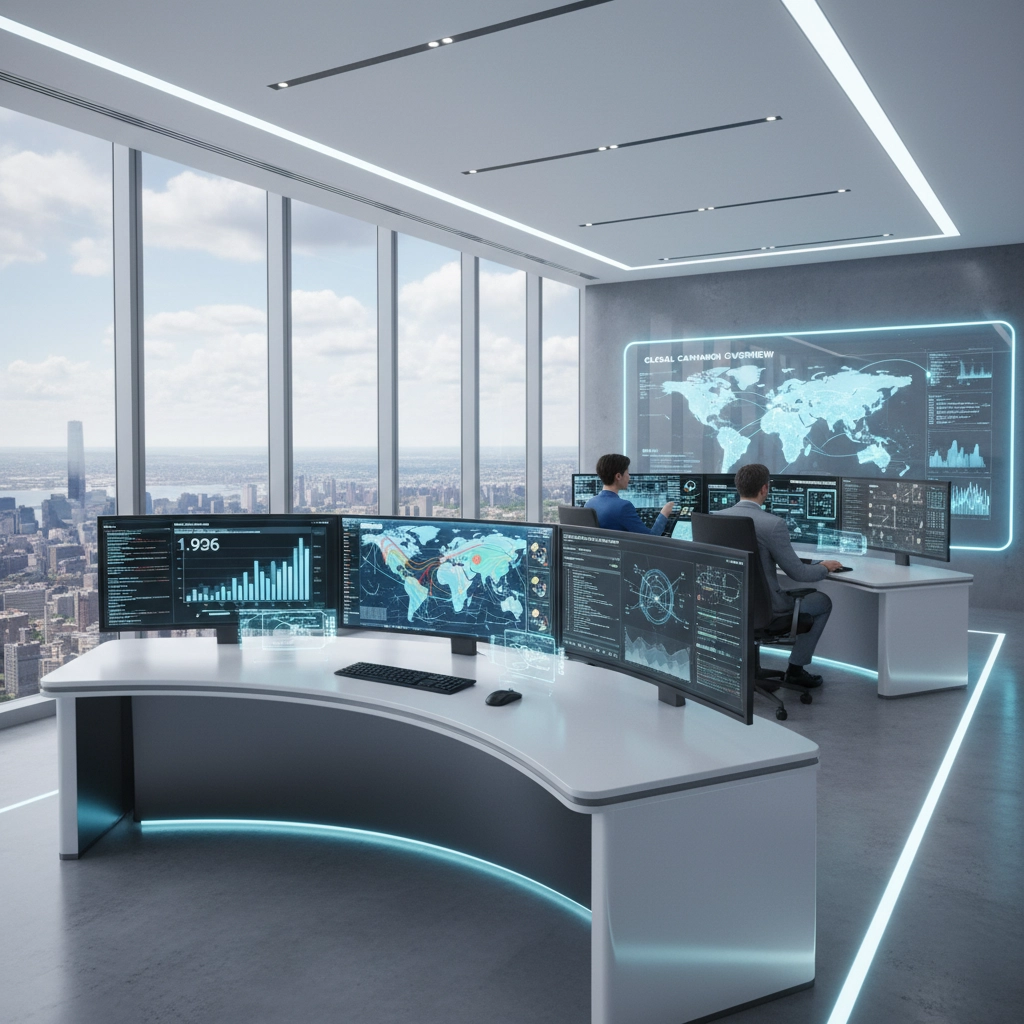
Set measurement goals before the campaign begins. Impressions and reach remain useful, but sports venue-targeted DOOH can support deeper performance analysis.
Track outcomes such as:
- QR code scans
- Website visits during and after the event
- Searches for nearby locations
- Offer redemptions
- Store or restaurant visits
- Engagement by venue type
- Performance by radius
- Results during specific game-day windows
- Differences between event-triggered and continuous campaigns
Compare results across sports bars, stadium-adjacent screens, transportation hubs, and retail environments. This will show you where your audience is most responsive and which moments deserve greater investment.
RAMM combines digital signage, media buying, campaign development, and performance tracking to help you refine your strategy. Explore the full range of RAMM advertising solutions.
Turn Game-Day Energy into Brand Momentum
Sports fans are not passive audiences. They move, react, celebrate, compare, purchase, and share. Your DOOH strategy should move with them.
Target the venues where fans gather. Set a radius that matches your objective. Schedule creative around pre-game, live-event, and post-game behavior. Use event and weather triggers to keep the message relevant. Then measure each touchpoint so you can improve the next campaign.
With RAMM, you can connect your brand to sports moments across local and global markets while maintaining the flexibility to adjust your plan as conditions change.
Visit RAMM to plan a sports venue-targeted DOOH campaign that reaches the right fans, in the right places, at the right moments. Encourage engagement by sharing your campaign goals, venue priorities, or questions with the RAMM team.

